Propagation
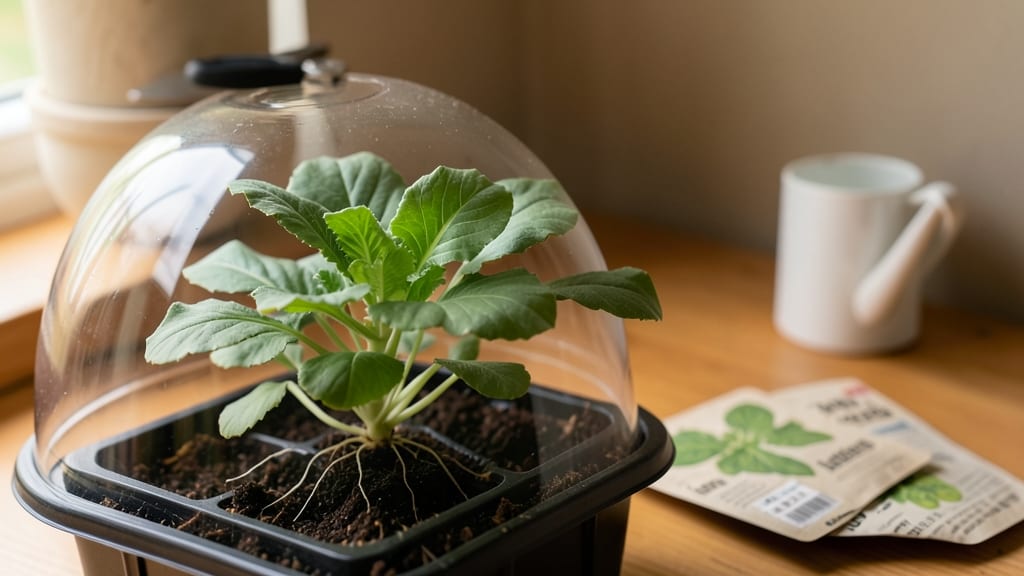
To start seeds for a spring garden, begin cool-season crops like lettuce and peas 6-8 weeks before your last frost date, while warm-season plants such as tomatoes and peppers need an 8-12 week indoor head start. Always reference a regional frost chart for accuracy.
Timing your seeds correctly means accounting for both germination speed and transplant readiness—some plants like radishes sprout in just 5-7 days, while tomatoes take 6-8 weeks to reach transplant size. 🌱 I’ve found using a countdown calendar based on your local frost dates eliminates guesswork, especially when dealing with short growing seasons.
For example, in Zone 5, I start broccoli in early March while waiting until mid-April for peppers, even though both are cool-season crops.
Pro tip: Keep a seedling journal to track which varieties thrive with your specific setup—grow lights vs. sunny windowsills can shift your schedule by 1-2 weeks.
This is where regional adjustments matter most; high-altitude gardens often need an extra 2 weeks of indoor time to compensate for cooler soil temperatures.
💡 In This Article
- Frost Date Calculations for Seed Starting
- Plant-Specific Indoor Seed Starting Schedule
Frost date calculations for seed starting
Determining your last frost date is the foundation of seed starting success. The USDA Plant Hardiness Zone Map provides a baseline, but actual frost dates vary by 5-10 days depending on microclimates and elevation.
For example, a Zone 6 garden might average its last frost between April 15-20, but mountain regions in the same zone could experience frost until May 5.
Here's what's actually happening: Cold air sinks and collects in low-lying areas, while hills and slopes warm up faster—this is why urban gardens often have 2-3 warmer weeks than rural areas just miles away. 🔥
The science behind seedling development rates explains why timing matters so much. Germination speed varies wildly—radishes emerge in 5-7 days while tomatoes take 6-8 weeks to reach transplant size. But here's the catch: Seedlings need consistent light (14-16 hours daily) and temperatures between 65-75°F to grow properly.
Grow lights can extend your window by 1-2 weeks compared to sunny windowsills, which often provide only 8-10 hours of effective light. This is why I always calculate my seed starting dates using both my frost date and light source capabilities.
Light exposure creates the biggest practical challenge. Natural sunlight varies by season—your south-facing window might provide 12 hours of light in June but only 8 hours in December. Grow lights solve this but require 2-3 inches above seedlings to prevent overheating.
What most people don't realize is that insufficient light causes leggy seedlings that flop over when transplanted. These weak stems take 3-5 extra days to recover, throwing off your entire schedule. I've seen gardeners in Zone 5 start tomatoes 2 weeks too early because they underestimated their light limitations.
Regional adjustments often require the most attention. High-altitude gardens (above 3,000 feet) need 10-14 extra days of indoor growing time because cooler soil temperatures slow root development. Similarly, coastal areas might have 1-2 warmer weeks than inland locations.
The key factor is your soil temperature at transplant time—most vegetables need soil above 50°F to establish roots properly. I always check my local cooperative extension service for 3-year averages of frost dates rather than relying on general zone information.
Here's how to calculate your personal frost dates with precision:
- Check historical records: Look at your local weather station's data for the last 10 years of frost dates
- Adjust for microclimates: Note if your garden is in a frost pocket or on a slope
- Calculate seedling time: Add 2-4 weeks to germination time for hardening off
- Account for light source: Grow lights add 1-2 weeks compared to natural light
The most common mistake I see is using the average last frost date rather than the historical earliest frost date in spring. For example, if your average last frost is May 10 but records show frost until May 25, you should plan accordingly.
This simple adjustment can mean the difference between a thriving garden and lost seedlings. 💫