Container Gardens
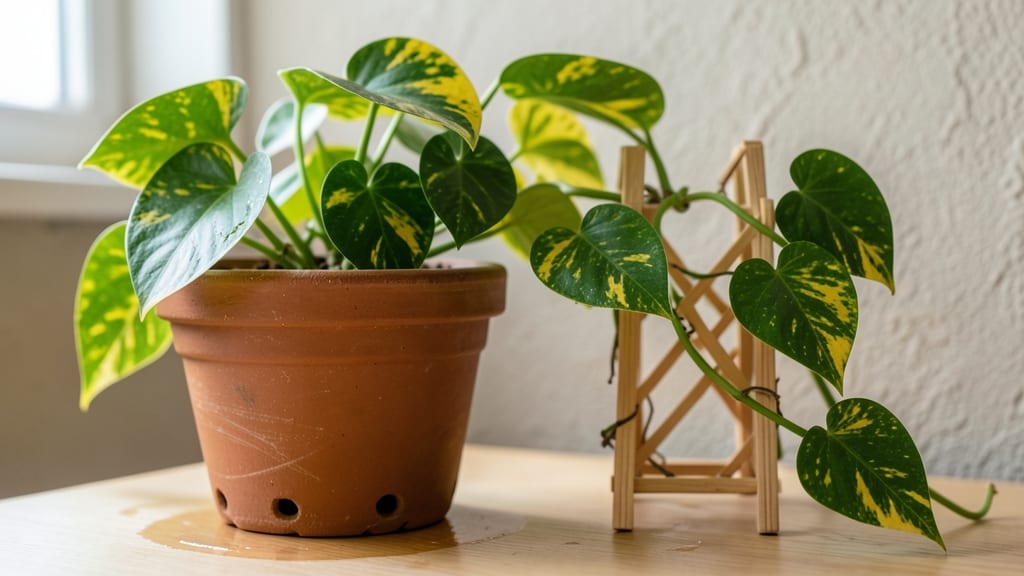
Indoor apartment gardens can thrive even without a yard—my tiny kitchen windowsill now grows more herbs than my mom's backyard ever did. The secret isn’t fancy setups but smart light tricks and space hacks that turn any room into a green oasis.
I’ve watched basil go from sad store-bought sprigs to lush, fragrant bushes in just three weeks using nothing but a south-facing shelf and a spray bottle.
Start with three essentials: a sunny spot (even north windows work for shade-loving greens), shallow containers with drainage, and a watering schedule that mimics spring showers—not daily drenching. My favorite setup uses stackable pots on a rolling cart, letting me move the whole garden toward morning light.
The best part? You can grow leafy greens year-round without worrying about frost or pests.
By summer, you’ll be harvesting crisp lettuce and snipping fresh cilantro for meals, all while keeping your space fresh and vibrant. The key is matching plants to light—basil and mint thrive in bright spots, while Swiss chard handles dimmer corners.
Plus, the earthy scent of growing herbs makes any apartment feel like a cozy greenhouse.
This works for any space, from studio balconies to dim living rooms—just adjust the plants. Need more room? Try hanging planters or wall-mounted shelves. The only rule? Start small, observe what thrives, and let your garden grow with you.
📚 In This Guide
- What you need
- Instructions
- Tips and common mistakes
- Wrapping up and next steps
What you need
- ● Containers: 3–5 6–12-inch deep pots (with drainage holes) – 1–2 per plant type (e.g., basil, mint, lettuce).
- ○ Optional: Self-watering planters or grow bags for convenience.
- ● Growing Medium: High-quality potting mix (sterile, well-draining) – 1–2 bags (1–2 cubic feet).
- ○ Optional: Coco coir or perlite for improved aeration (mix 10–20% into soil).
- ● Seeds or Seedlings: Herbs: Basil, mint, parsley, chives, or cilantro (3–5 seeds per pot or 1–2 seedlings).
- ● Leafy greens: Lettuce (butterhead or romaine), spinach, or kale (sow 5–10 seeds per pot).
- ● Tools: Small hand trowel or spoon.
- ● Spray bottle (for gentle watering).
- ● Measuring cup (for mixing soil additives).
- ○ Optional: pH test kit (ideal soil pH: 6.0–7.0 for herbs, 6.0–6.8 for greens).
- ● Light: A south-facing window (6+ hours of sunlight) or a grow light (LED, 12–16 hours/day).
- ● Space: A sunny counter, shelf, or windowsill (ensure airflow—avoid cramped corners!).
- ● Water: Access to filtered or rainwater (chlorine-free).
- ● Time: 10–15 minutes daily for watering and light checks.
- ○ Optional: Humidity tray (pebbles + water) for tropical herbs like basil.
Step-by-Step guide to designing your indoor apartment garden
Transforming limited space into a thriving garden starts with smart planning and the right approach.
Select the Right Containers for Your Space
Choose containers that match your apartment's layout and the plants you want to grow. For herbs like basil and parsley, shallow pots with drainage holes work best—they don’t need deep roots, but they do need to dry out between waterings. Leafy greens like spinach or kale require slightly deeper containers, around 6-8 inches deep, to accommodate their longer root systems. I like to use a mix of ceramic pots for aesthetic appeal and plastic grow trays for seedlings, as they’re lightweight and stackable.
Position your containers where they’ll receive the most natural light, ideally near a south-facing window for the strongest sunlight. If your apartment lacks ample sunlight, consider using reflective surfaces like aluminum foil or white plastic behind the pots to bounce extra light onto the plants. Avoid glass containers—they trap too much moisture and can lead to root rot.
Prepare the Growing Medium for Optimal Drainage
Fill your containers with a lightweight, well-draining potting mix—never garden soil, as it compacts and suffocates roots in confined spaces. I blend a 50-50 mix of potting soil and perlite to improve aeration and prevent waterlogging. For containers with drainage holes, add a 1-inch layer of coarse sand or small pebbles at the bottom to create a reservoir that prevents roots from sitting in stagnant water.
Moisten the mix before planting by gently watering it until it’s damp but not soggy. Press it lightly into the container to eliminate air pockets, which can hinder root growth. If you’re growing moisture-loving plants like lettuce, you can increase the organic matter slightly by adding a handful of compost to the mix. This ensures nutrients are readily available without overwhelming the plants.
Choose Sunlight-Savvy Plants for Your Conditions
Not all plants thrive indoors, so focus on varieties that tolerate lower light levels and smaller spaces. Herbs like basil, chives, and mint are excellent choices—they grow quickly and can handle partial shade. Leafy greens such as spinach, arugula, and Swiss chard also adapt well to indoor conditions, provided they receive at least 4-6 hours of indirect sunlight daily. Avoid plants like tomatoes or peppers, which demand full sun and will struggle without it.
If your apartment receives minimal natural light, supplement with a grow light placed 6-12 inches above the plants for 12-14 hours a day. LED grow lights are energy-efficient and emit the right spectrum for photosynthesis. Monitor your plants closely—they’ll tell you if they’re getting enough light. Leggy stems or pale leaves mean it’s time to adjust the light source or increase exposure.
Water and Maintain for Consistent Growth
Water your indoor garden when the top inch of soil feels dry to the touch—overwatering is the fastest way to kill container plants. Herbs and leafy greens prefer slightly dry conditions between waterings, so err on the side of caution. Use a spray bottle or watering can with a fine rose to avoid disturbing the soil or dislodging seedlings. Empty any saucers under pots within 30 minutes of watering to prevent root rot.
Fertilize lightly every 4-6 weeks with a balanced, water-soluble fertilizer diluted to half-strength. Indoor plants grow slowly, so they don’t need heavy feeding. Watch for signs of nutrient deficiency, like yellowing leaves or stunted growth, which can indicate it’s time to replenish the soil. Rotate your containers a quarter turn weekly to ensure even light exposure and prevent plants from leaning toward the window.
Troubleshoot Common Issues Proactively
Yellowing leaves often signal overwatering or poor drainage, while brown edges can mean the air is too dry. Increase humidity around your plants by placing a tray of water near the containers or grouping them together. Pests like aphids or spider mites are rare indoors but can appear if you bring in new plants. Treat infestations early with neem oil or insecticidal soap, applied according to the label.
If your plants start to look leggy or weak, they’re likely not getting enough light. Move them closer to the window or supplement with a grow light immediately. Prune regularly to encourage bushier growth—pinch back the tips of herbs like basil to promote branching, and harvest outer leaves from greens to stimulate new growth. With consistent care, your indoor apartment garden will thrive even in limited space.
Tips & tricks for perfect indoor apartment gardens
Even the smallest apartment can become a thriving garden with the right approach—here's how to maximize your space and keep your herbs and greens flourishing.
Container Selection Strategy: In Step 1, when choosing containers for your herbs and leafy greens, prioritize materials that balance aesthetics with functionality. Ceramic pots offer visual appeal but can dry out quickly, so I recommend grouping them together to create a microclimate that retains moisture. For plastic grow trays, opt for those with built-in saucers to catch excess water, but remember to empty them within 30 minutes to prevent root rot. The 6-8 inch depth requirement for leafy greens isn't arbitrary—it allows room for root development while preventing soil compaction that would suffocate roots in shallower containers.
Light Optimization Techniques: The 4-6 hours of indirect sunlight mentioned in Step 3 is a minimum baseline, but you can amplify natural light using simple reflective surfaces. Place aluminum foil or white plastic behind your containers to bounce an additional 20-30% more light onto your plants. For grow lights, position them 6-12 inches above your plants and maintain the 12-14 hour daily exposure. I've found that adjusting the light height throughout the day—raising it slightly as plants grow—prevents leggy stems that indicate insufficient light exposure.
Soil Mix Customization: While the 50-50 blend of potting soil and perlite works universally, you can tailor it further based on your specific plants. For moisture-loving varieties like lettuce, increase the organic matter by adding a handful of compost to the mix as suggested in Step 2. This creates a nutrient-rich environment without compromising the essential aeration provided by perlite. When pressing the moistened mix into containers, use your fingers to create small air pockets—this mimics natural soil structure and prevents compaction that would hinder root growth.
Watering Precision: The top inch soil dryness check in Step 4 is your most reliable indicator, but different plants have varying needs within this guideline. Herbs like basil and parsley typically require watering every 3-4 days, while leafy greens like spinach may need watering every 2-3 days. Use the spray bottle method for seedlings to prevent soil disturbance, but switch to a watering can with a fine rose for established plants to ensure even moisture distribution. The 30-minute saucer emptying rule prevents salt buildup that can occur from prolonged water stagnation.
Pro Tips for Indoor Apartment Gardens
- Even the smallest apartment can become a thriving garden with the right approach—here's how to maximize your space and keep your herbs and greens flourishing.
- Container Selection Strategy: In Step 1, when choosing containers for your herbs and leafy greens, prioritize materials that balance aesthetics with functionality.
- Light Optimization Techniques: The 4-6 hours of indirect sunlight mentioned in Step 3 is a minimum baseline, but you can amplify natural light using simple reflective surfaces.
Frequently asked questions
Got questions about bringing greenery indoors? Here are some common ones—and their easy answers—to help you grow like a pro!
What are the easiest herbs to grow indoors with little sunlight?
Start with sunlight-savvy herbs like basil, mint, or parsley. These thrive in bright indirect light (like a south-facing window) or under grow lights. For even less light, try chives or cilantro, which tolerate lower light better. Just ensure they get at least 4–6 hours of light daily!
How often should I water my indoor garden?
Watering depends on your plants, but a general rule is when the top inch of soil feels dry. Herbs like thyme or rosemary need less water (every 1–2 weeks), while leafy greens (spinach, kale) prefer consistent moisture. Overwatering is the #1 killer—always use pots with drainage holes!
Can I grow leafy greens indoors without a sunny window?
Use a grow light (LED or fluorescent) for 12–16 hours daily. Spinach, arugula, and microgreens grow well under lights. Place the light 6 inches above plants and adjust as they grow. For extra efficiency, try a smart grow light with a timer—no guesswork!
What should I do if my indoor plants get pests?
Don’t panic! Start with neem oil spray (mix 1 tsp neem oil + 1 tsp mild soap in 1 quart water) for soft-bodied pests like aphids. For stubborn bugs, wipe leaves with soapy water or introduce beneficial insects (like ladybugs). Prevent pests by avoiding overwatering and keeping plants spaced apart.
How can I maximize space in a small apartment garden?
Think vertical and modular! Use wall-mounted planters, hanging pots, or tiered shelves to stack plants. Grow compact varieties like bush basil or dwarf tomatoes. Rotate plants near windows monthly so all get equal light. Bonus: Add a foldable grow table for extra space when needed!
Wrapping up and next steps
Transforming your apartment into a lush indoor garden is easier—and more rewarding—than you think! 🌱 By choosing the right sunlight-savvy herbs and leafy greens
Ready to dive in? Start small with a single container or tray, and let your green thumb grow with confidence. Your next step? Pick that perfect spot by a window, grab your supplies, and watch your indoor oasis bloom—literally! 🌿