Orchid Care
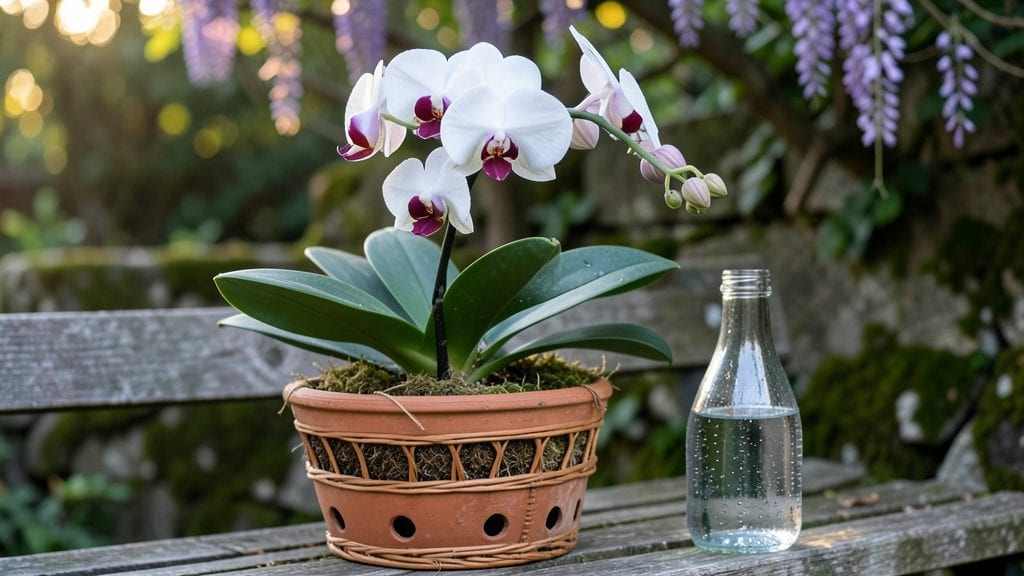
Orchids in gardens aren’t just for greenhouses—they’re the secret weapon for adding drama and fragrance to any outdoor space. 🌿 I’ll never forget the first time I tucked a cluster of Phalaenopsis near our pond and watched bees and butterflies flock to them all summer long.
The blooms last longer, the scent lingers after rain, and the plants thrive where others fail.
These plants fit beautifully into tropical corners, woodland edges, or even hanging baskets near patios. Pair them with ferns, hostas, or impatiens for a lush understory effect, or let them cascade over trellises for a waterfall of color.
The key is matching their light needs—some love dappled shade under trees, while others bask in morning sun.
What you’ll end up with is a garden that feels alive year-round, with blooms that outshine most annuals. Hummingbirds will hover, bees will buzz, and your neighbors will ask where you got those "magic flowers."
The best part? They’re easier to place than you think—just find the right spot and let them do the rest.
Works in containers, borders, or even as a focal point near water features. Let’s make your garden the talk of the neighborhood with these pollinator magnets!
📚 In This Guide
- What you need
- Instructions
- Tips and common mistakes
- Wrapping up and next steps
What you need
- ● Orchid Plants: 1–5 Phalaenopsis (moth orchids) or Cymbidium (hardy orchids) – choose based on your climate.
- ○ Optional: Dendrobium or Oncidium for vibrant colors and fragrance.
- ● Potting Mix: 1–2 bags of orchid-specific bark mix (e.g., 50% fir bark, 30% sphagnum moss, 20% perlite).
- ● Avoid regular soil—orchids need aeration!
- ● Containers: 1–3 orchid pots (6–8 inches in diameter) with drainage holes.
- ○ Optional: Slotted pots or hanging baskets for aerial orchids.
- ● Fertilizer: 1 bottle of balanced orchid fertilizer (20-20-20 or 10-10-10, diluted to half-strength).
- ○ Optional: Organic options like fish emulsion or worm castings.
- ● Watering Supplies: 1 spray bottle (for misting) or 1 watering can with a fine rose.
- ○ 1 humidity tray (optional, for dry climates).
- ● Support & Stakes: 1–2 orchid stakes or spider wire (for tall varieties like Dendrobium).
- ● Pruners: 1 pair of sterilized pruners (for trimming dead blooms or stems).
- ○ Mulch (Optional): 1 bag of orchid-safe mulch (e.g., pine bark nuggets) to retain moisture.
- ● ✅ Sunlight: Partial shade to bright indirect light (4–6 hours/day). Avoid harsh afternoon sun.
- ● ✅ Temperature: Ideal range: 60–80°F (15–27°C) during the day, 50–60°F (10–15°C) at night.
- ● ✅ Humidity: Aim for 40–70% (use a hygrometer to monitor).
- ● ✅ Airflow: Gentle breeze (e.g., near a fan or open window) to prevent rot.
- ● ✅ Space: Ensure containers are elevated (orchids hate soggy roots!).
How to plant and maintain orchids in your garden for year-round blooms
Here's the straightforward method I use to grow fragrant orchids that thrive outdoors and keep pollinators buzzing.
🌱 Step 1: Choose the Right Orchid Varieties for Your Climate
Not all orchids handle outdoor conditions. For garden planting, I recommend hardy varieties like Dendrobium, Cymbidium, or Miltonia—they tolerate cooler temperatures better than tropical types. Check your USDA hardiness zone: orchids grow well in zones 7-10, where winter temps stay above 20°F.
Look for plants with firm, green roots and at least 3-4 mature leaves. Avoid orchids with yellowing leaves or mushy roots—these won’t recover well after transplanting. I always buy mine in early spring so they establish roots before summer heat arrives.
🪴 Step 2: Prepare the Planting Site for Optimal Drainage
Orchids refuse soggy soil—their roots need air circulation. Plant in a raised bed or mound of well-draining soil mix (equal parts peat moss, perlite, and bark chips). I dig a hole twice as wide as the orchid’s root ball but only 1 inch deeper than the pot it came in.
Position the plant so the base sits ½ inch above soil level. This prevents water from pooling around the crown, which causes rot. If planting in containers, use pots with drainage holes and fill with orchid-specific mix. Never use garden soil—it compacts and suffocates roots.
☀️ Step 3: Plant in Partial Shade with Morning Sun
Orchids need dappled sunlight—think filtered shade under tall trees or a spot that gets morning sun but afternoon shade. Too much direct sun scorches leaves, while too little shade weakens blooms. I test spots by placing a white sheet over potential locations for a week to mimic orchid needs.
After planting, water lightly to settle the soil around roots. Use room-temperature rainwater or distilled water—tap water’s chemicals can harm orchids. I water every 5-7 days in summer, checking that the mix dries out between waterings. In winter, reduce to every 10-14 days.
💧 Step 4: Fertilize and Maintain for Continuous Blooms
Feed orchids with a balanced orchid fertilizer (20-20-20) diluted to half-strength every 2 weeks in spring and summer. Stop fertilizing in fall and winter to let plants rest. I also add a handful of orchid bark chips around the base annually to improve drainage and provide slow-release nutrients.
Watch for new growth—this signals healthy plants. If leaves yellow, reduce watering; if they wilt, increase humidity by placing a tray of pebbles and water near the plants. Deadhead spent blooms by cutting stems ½ inch above a node to encourage new flowers.
✂️ Step 5: Prune and Divide Every 2-3 Years
After blooming, trim flower spikes to 1 inch above the base to redirect energy to roots and leaves. In early spring, divide mature clumps with 3-4 pseudobulbs each—these establish faster. I repot divided sections into fresh mix to prevent disease spread.
This is the moment that matters: prune only after the plant has finished blooming. Cutting too early removes next year’s flower buds. Always use sterilized shears and let cuts dry for 24 hours before replanting to prevent rot.
Tips & tricks for perfect orchid planting and maintenance
Here's what I've learned from years of growing fragrant orchids that keep blooming season after season.
Variety Selection: When choosing your Dendrobium, Cymbidium, or Miltonia orchids, look for plants with plump pseudobulbs and firm, green roots. The pseudobulbs act like water storage tanks—larger ones mean the plant has more energy reserves. I always check that the roots are silvery-green, not brown or shriveled, because healthy roots are the foundation for strong blooms.
Planting Depth Matters: In Step 2, when you're preparing the planting site, remember that orchids hate having their crowns buried. Position the plant so the base sits ½ inch above soil level—this prevents water from pooling around the crown, which causes rot. I've learned this the hard way after losing plants to crown rot when they were planted too deep. The roots need air circulation, so avoid compacting the well-draining mix around them.
Watering Wisdom: The 5-7 day summer watering schedule in Step 3 is crucial, but don't just water on a calendar—check the mix first. Stick your finger about an inch into the soil: if it feels dry, it's time to water. In winter, when you reduce to every 10-14 days, remember that orchids need less water when they're dormant. I always use room-temperature rainwater or distilled water because tap water's chemicals can harm orchid roots over time.
Pruning Precision: When you're ready to prune in Step 5, use sterilized shears to make clean cuts 1 inch above the base for flower spikes. This redirecting of energy helps the plant focus on root and leaf growth. I've found that letting the cuts dry for 24 hours before replanting prevents rot—this simple step has saved me from losing several plants to bacterial infections in the past.
Pro Tips for Orchids In Garden
- Here's what I've learned from years of growing fragrant orchids that keep blooming season after season.
- Variety Selection: When choosing your Dendrobium, Cymbidium, or Miltonia orchids, look for plants with plump pseudobulbs and firm, green roots.
- Planting Depth Matters: In Step 2, when you're preparing the planting site, remember that orchids hate having their crowns buried.
Frequently asked questions
Got questions about growing orchids in your garden? You’re not alone! Here are answers to the most common queries to help you cultivate stunning, pollinator-friendly blooms with ease.
Can orchids grow in regular garden soil?
Nope! Orchids thrive in well-draining mixes like bark, sphagnum moss, or coconut coir. Regular soil retains too much moisture, leading to root rot. For container orchids, use a specialized blend, and for ground planting, amend soil with perlite or sand to mimic their natural epiphytic (tree-dwelling) habits.
How long does it take for orchids to bloom after planting?
Patience is key! Most orchids take 3–6 months to establish roots, with blooms appearing 6–12 months later, depending on the species and conditions. Some, like Phalaenopsis (moth orchids), may rebloom annually if given proper care—light, water, and fertilizer.
Will orchids attract bees and butterflies like other flowers?
Orchids produce fragrant nectar and unique flower shapes that lure pollinators like bees, butterflies, and even hummingbirds. Varieties like Vanilla orchids and Dendrobium are especially bee-friendly. Plant them near pollinator gardens to create a buzzing ecosystem!
Why are my orchid leaves turning yellow?
Yellow leaves usually signal overwatering or poor drainage. Let the roots dry slightly between waterings—stick your finger in the mix; if it’s soggy, hold off. Check for pests (like scale) or nutrient deficiencies too. Pro tip: Yellow at the tips? It’s often fluoride buildup from tap water—use rainwater or distilled instead.
Are there low-maintenance orchids for beginners?
Yes! Start with Phalaenopsis (moth orchids) or Dendrobium—they’re hardy and forgiving. For outdoor gardens, try Bletilla (ground orchids) or Paphiopedilum (lady slipper), which tolerate partial shade and occasional neglect. Just avoid soggy spots!
Can I grow orchids in pots or do they need to be planted in the ground?
Both work! Containers offer more control over moisture/drainage and are ideal for climates with harsh winters. Ground planting suits hardy orchids (like Cymbidium) in zones 7–10, but amend soil heavily and mulch to protect roots. Containers let you move orchids to optimal light as seasons change.
Wrapping up and next steps
Adding orchids to your garden is a rewarding way to boost beauty, support pollinators, and enjoy year-round fragrance! 🌸 From selecting the right species to creating pollinator-friendly spaces, every step brings vibrant life to your outdoor oasis.
Whether you're a seasoned gardener or just starting, these fragrant blooms are an easy and impactful choice.
Ready to transform your garden? Start small—pick one orchid variety and plant it this week! Watch as your garden becomes a buzzing haven for bees, butterflies, and hummingbirds while filling the air with intoxicating scents. Happy gardening! 🌿✨