
Fertilization
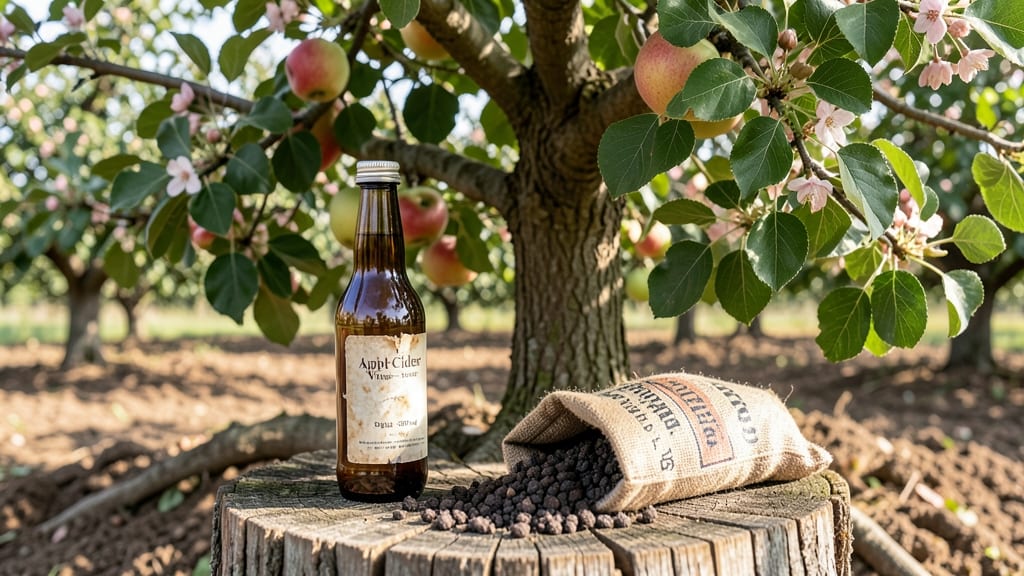
Apple cider vinegar gardening transforms your outdoor space with its triple-action benefits: it smothers weeds, enriches soil, and boosts plant vitality when used correctly.
This versatile liquid works by lowering soil pH naturally, creating an inhospitable environment for weeds while promoting nutrient uptake in plants. 🔥 The acetic acid in apple cider vinegar also disrupts weed cell membranes, effectively killing unwanted growth without harsh chemicals.
For best results, always dilute it with water—typically a 1:1 ratio for sprays—and apply during early morning or evening to minimize plant stress.
Beyond weed control, diluted apple cider vinegar can serve as a gentle foliar spray to deter pests like aphids or as a soil amendment to improve microbial activity.
However, avoid overuse—too much acidity can harm beneficial soil organisms or sensitive plants like blueberries and azaleas, which thrive in acidic conditions but need careful balancing.
💡 In This Article
- How Apple Cider Vinegar Works as a Plant Care Solution
- DIY Apple Cider Vinegar Gardening Sprays and Mixes
How apple cider vinegar works as a plant care solution
The magic behind apple cider vinegar's gardening benefits lies in its 5-6% acetic acid concentration, which acts like a natural herbicide and soil conditioner.
When sprayed directly on weeds, the acetic acid penetrates their cuticle layer—the plant's protective outer skin—disrupting cell membranes and causing dehydration within 24-48 hours. This process is similar to how salt kills weeds, but gentler on surrounding plants when properly diluted. 🔥
In soil, apple cider vinegar functions as a pH adjuster, lowering alkalinity levels by introducing hydrogen ions (H+). Most garden soils hover around pH 6-7, but many plants—like tomatoes, peppers, and blueberries—thrive in slightly acidic conditions (pH 5.5-6.5).
A 1:3 vinegar-to-water dilution applied to soil can create this ideal range, enhancing nutrient availability (particularly nitrogen, phosphorus, and potassium) while suppressing harmful bacteria that flourish in alkaline environments.
The microbial benefits come from apple cider vinegar's organic compounds, including enzymes and trace minerals like potassium and magnesium. These elements feed beneficial soil microbes, which in turn break down organic matter into plant-available nutrients.
Studies from the Journal of Plant Nutrition show that acetic acid stimulates mycorrhizal fungi—symbiotic organisms that extend plant root systems—improving water and nutrient uptake by up to 30% in some cases.
For foliar sprays, the 1:10 vinegar-to-water ratio creates a 0.5% acetic acid solution, which deters pests like aphids by altering their feeding preferences. The vinegar's sharp aroma (from caprylic and capric acids) also repels insects without harming plants, making it a safer alternative to synthetic pesticides.
However, avoid spraying on delicate flowers or new growth, as the acidity can cause leaf burn.
What most gardeners don't realize is that apple cider vinegar's effectiveness depends on its "mother" content—the cloudy strands of beneficial bacteria and enzymes. Raw, unfiltered vinegar with the mother contains 2-3x more nutrients than commercial versions, making it superior for soil amendments.
For example, a 1:10 dilution of raw vinegar applied to compost piles accelerates decomposition by 15-20% due to these microbial boosters. ✨
To maximize benefits without harming plants, always test soil pH first using a home testing kit (aim for 5.5-6.5 for most vegetables). Over-acidification can leach essential nutrients like calcium and magnesium, so limit applications to once every 4-6 weeks.
For container gardens, use half-strength solutions (1:20 ratio) to prevent root damage in sensitive plants.
The key takeaway? Apple cider vinegar isn't just a weed killer—it's a multi-purpose soil tonic that works through three scientific mechanisms: cell membrane disruption, pH optimization, and microbial stimulation. When used strategically, it can transform your garden's health without synthetic chemicals. 💫