
Advice
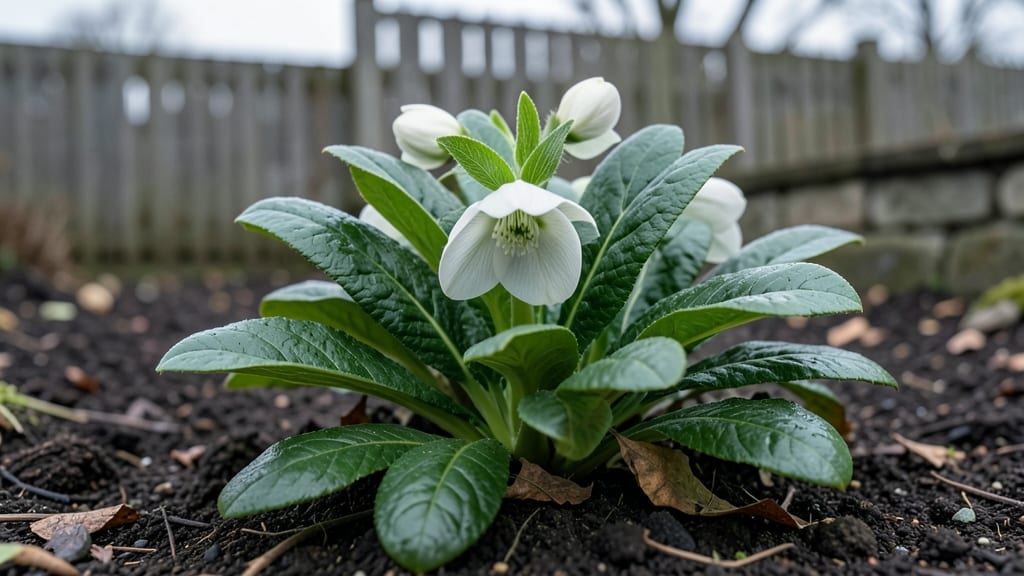
December gardens prove that beauty thrives even when temperatures drop. ✨ I’ve learned that winter isn’t a time to abandon your garden—it’s when cold-hardy plants shine and evergreens add structure to the landscape.
The key is focusing on plants that stay vibrant through frost, like hellebores, winter jasmine, and holly, while giving dormant plants the care they need to bounce back in spring.
Minimal pruning is the name of the game this month. Skip heavy cuts on deciduous shrubs until spring, but don’t ignore dead or diseased branches—they’ll weigh down plants and invite pests.
Mulch around perennials to protect roots from freeze-thaw cycles, and consider adding a layer of evergreen boughs for extra insulation. Even in colder zones, a few hours of sunlight can keep hardy plants thriving.
What you’ll end up with is a garden that feels alive, not abandoned—think glossy holly berries, delicate winter blooms, and the quiet satisfaction of knowing your plants are prepped for spring.
The effort now means fewer cleanup chores later and a head start on next year’s growth. Let’s make this the season your garden rests and delights.
Indoor gardening gets a boost in December too. Herbs like rosemary and thyme stay productive under grow lights, and container-grown citrus can brighten up a dark corner. Just keep soil slightly moist and watch for pests that love indoor warmth.
The best part? You’re training your green thumb for spring while enjoying fresh flavors year-round.
📚 In This Guide
- What you need
- Instructions
- Tips and common mistakes
- Wrapping up and next steps
What you need
- ● Cold-hardy plants: Evergreens (e.g., Boxwood, Holly, or Pine), ornamental grasses (Miscanthus), and broadleaf evergreens (Rhododendrons, Heuchera). Aim for 3-5 mature plants for a balanced look.
- ● Bulbs for winter color: Daffodils, Snowdrops, or Winter Aconite (plant 10-15 bulbs per section for a natural spread).
- ● Mulch: 2-3 inches of organic mulch (e.g., shredded bark or straw) to insulate roots and retain moisture.
- ● Soil amendments: Compost (1-2 bags) or slow-release fertilizer (e.g., 10-10-10) to boost soil health before planting.
- ● Hand trowel (for delicate planting).
- ● Garden gloves (waterproof for comfort).
- ● Pruners (bypass pruners for clean cuts).
- ● Rake (for leveling soil and spreading mulch).
- ● Watering can or hose with a gentle nozzle (avoid heavy watering in cold weather).
- ○ Optional: A garden journal to track plant progress and note care tips!
- ● Sunlight assessment: Identify full sun (6+ hours/day) and partial shade (3-6 hours/day) areas in your garden.
- ● Drainage check: Ensure your garden bed has well-draining soil (amend with sand if needed).
- ● Local climate knowledge: Research your USDA Hardiness Zone to select plants that thrive in your winter conditions.
- ● Time commitment: 1-2 hours/week for watering, light pruning, and maintenance.
Instructions for designing a low-maintenance December garden
Here's how to create a winter garden that thrives with almost no pruning—just strategic planting and care.
🌱 Step 1: Choose Cold-Hardy Plants for Year-Round Color
Select plants that thrive in 30-50°F temperatures and require minimal winter maintenance. Evergreens like boxwood or holly provide structure, while winter-blooming hellebores and pansies add color. I always include ornamental grasses too—they sway beautifully in winter winds with almost no care. Choose plants that stay compact so they don't outgrow their space quickly.
Look for varieties labeled "drought-tolerant" or "low-maintenance" on the tags. These will handle December's shorter daylight and occasional frost without wilting. Place taller plants toward the back of your garden bed to create natural layers that protect smaller plants from harsh winds.
☀️ Step 2: Position Plants for Maximum Winter Sunlight
December sunlight is weak, so position your plants where they'll receive at least 6 hours of indirect light daily. South-facing exposures work best, but even east or west-facing spots can work if you choose shade-tolerant varieties. I always check my garden's sun patterns by observing where shadows fall at 10 AM and 2 PM—this tells me exactly where to place each plant.
Group plants with similar sunlight needs together. For example, place pansies and hellebores near the front where they get morning sun, while evergreens can handle the deeper shade behind them. Avoid placing delicate winter bloomers like witch hazel in full shade—they'll struggle to produce flowers.
💧 Step 3: Adjust Watering for Winter Conditions
Water your December garden only when the soil feels dry 2-3 inches below the surface. Winter rains often provide enough moisture, so check weekly instead of daily. I use a screwdriver to test moisture—if it slides in easily, wait another day. Overwatering in cold soil can suffocate roots and cause rot.
Apply a 2-3 inch layer of mulch around plants to protect roots from freezing temperatures. I use shredded bark mulch because it breaks down slowly and improves soil as it decomposes. Keep mulch 3-4 inches away from plant stems to prevent moisture buildup that could cause disease.
✂️ Step 4: Perform Minimal Pruning in Late Winter
December is not the time for heavy pruning—wait until late winter when new growth signals the plant is waking up. Remove only dead, damaged, or diseased branches now. I use clean, sharp pruners to make cuts just above a leaf node or bud, which encourages healthy regrowth. Avoid cutting back more than 1/3 of the plant at any time.
For flowering plants like hellebores, wait until after they bloom in early spring to prune. Cut back any leggy stems from last year's growth, but leave the foliage until new shoots appear. This ensures your plants have energy stored for next year's blooms.
🪴 Step 5: Add Winter Interest with Seasonal Accents
Incorporate seasonal elements like pinecones, evergreen boughs, or even bare branches wrapped with twine for texture. These add visual appeal without requiring care. I also include a few winter-blooming bulbs like snowdrops or crocuses—they pop through the snow with almost no effort. Place them in spots where they'll be visible from indoor windows.
Consider adding a small water feature or bird feeder too. The sound of running water or birds chirping adds life to a winter garden without needing maintenance. Just keep the water moving (if using a fountain) to prevent freezing in extreme cold.
Tips & tricks for perfect December garden design
Creating a winter garden that thrives with minimal effort takes a few strategic moves—here's what I've learned after years of winter gardening.
Plant Selection Strategy: When choosing plants for your December garden, focus on those labeled "evergreen" or "winter-hardy" on the tags. I've found that plants like boxwood and holly not only provide structure but also create natural windbreaks that protect more delicate winter bloomers. For color, hellebores and pansies are my go-tos—they bloom beautifully in the cold and require almost no special care. Remember, compact varieties grow slowly, so they won't outgrow their space quickly and need less pruning over time.
Sunlight Mapping: December's weak sunlight means you need to be intentional about placement. I always do a quick sun audit by marking where shadows fall at 10 AM and 2 PM—this tells me exactly where to place each plant. For example, I position pansies and hellebores in morning sun spots where they'll get those critical 6 hours of indirect light, while evergreens can handle deeper shade behind them. This layering creates natural protection from harsh winds while maximizing light exposure for all plants.
Winter Watering Wisdom: The screwdriver test is my secret weapon for winter watering. Push it 2-3 inches into the soil—if it slides in easily, wait another day. I've learned the hard way that overwatering in cold soil suffocates roots. For mulching, I use a 2-3 inch layer of shredded bark around plants, keeping it 3-4 inches away from stems to prevent moisture buildup. This simple layer acts like a blanket, protecting roots from freezing while slowly improving soil quality as it breaks down.
Pruning Timing: December isn't the time for heavy pruning—wait until late winter when you see new growth emerging. I only remove dead, damaged, or diseased branches now, making clean cuts just above a leaf node. For flowering plants like hellebores, I leave everything until after they bloom in early spring. This ensures the plants have stored enough energy for next year's flowers. The key is patience—what seems like neglect now will reward you with healthier plants come spring.
Pro Tips for December Garden
- Creating a winter garden that thrives with minimal effort takes a few strategic moves—here's what I've learned after years of winter gardening.
- Plant Selection Strategy: When choosing plants for your December garden, focus on those labeled "evergreen" or "winter-hardy" on the tags.
- Sunlight Mapping: December's weak sunlight means you need to be intentional about placement.
Frequently asked questions
about creating a stunning December garden with minimal pruning needs—here’s what you need to know!Can I still plant new shrubs or perennials in December?
Yes! December is a great time to plant dormant shrubs, trees, and perennials in many climates. Bare-root plants and evergreens thrive when soil is cool but workable. Just avoid planting in frost or waterlogged ground. Pro tip: Mulch well to protect roots from winter cold!
How do I protect my December garden from frost or snow?
Use frost cloth, burlap wraps, or even snow (which acts as insulation!) to shield tender plants. Group delicate shrubs together to create a microclimate. For containers, lift pots and store them in a sheltered spot or wrap them in bubble wrap. Pro tip: Avoid pruning until spring—wait until new growth appears to assess damage.
What’s the best way to prune in a low-maintenance December garden?
Focus on deadheading spent blooms (like on hydrangeas or roses) and removing diseased or broken branches. Avoid heavy pruning—save major cuts for late winter/early spring. Evergreens rarely need pruning; just tidy up ragged edges. Pro tip: Sterilize tools with rubbing alcohol to prevent spreading pests.
Can I still enjoy flowers in a December garden?
Opt for winter-blooming plants like hellebores, winter jasmine, or camellias. Pansies and snapdragons also thrive in cool weather. For year-round color, add evergreen shrubs (e.g., boxwood, holly) or ornamental grasses. Pro tip: Use mulch to insulate bulbs for spring blooms!
What if my December garden looks bare or messy?
Embrace the winter skeleton of your garden—it adds texture and charm! Add structural elements like driftwood, bird feeders, or colorful pots. Evergreen trees (e.g., pine, spruce) provide year-round interest. Pro tip: Prune only what’s necessary—less is more in winter!
Are there any December-friendly alternatives to traditional plants?
Try broadleaf evergreens (e.g., rhododendrons, azaleas), ornamental cabbages/kales (for pops of color), or winter wheatgrass for texture. Succulents in containers also survive well. Pro tip: Mix heights and textures for a dynamic look!
Wrapping up and next steps
A December garden proves that beauty thrives even in colder months—with the right plants and minimal upkeep! By focusing on evergreens, winter bloomers, and resilient perennials, you can enjoy vibrant color and texture year-round while keeping pruning simple. Your garden’s winter charm is just a few strategic choices away!
Ready to transform your outdoor space? Start small: swap one seasonal plant for a cold-hardy alternative or dedicate a corner to winter interest. Every little change makes a difference—happy gardening! 🌿✨