
How To
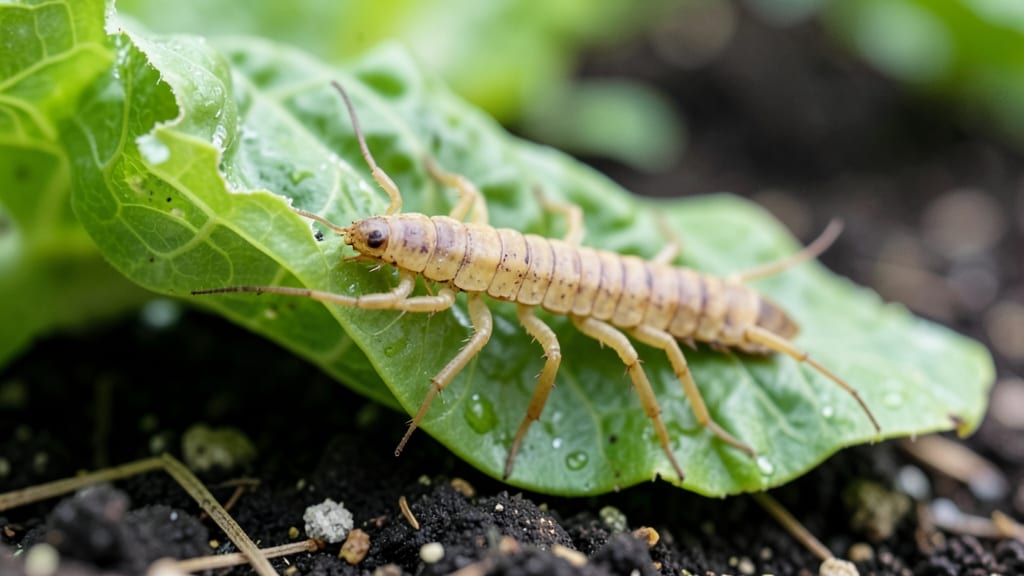
Centipedes aren't inherently bad for gardens—they actually help by preying on pests like slugs, spiders, and soft-bodied insects. However, large numbers may signal moisture problems or overgrown mulch, and some species can bite if disturbed.
These multi-legged hunters are often misunderstood—they're actually garden allies when kept in balance. 🌿 Their appetite for common pests like aphids and termites makes them a natural defense against crop damage.
I've seen gardens thrive with centipede populations because they reduce the need for chemical pesticides, creating a healthier ecosystem. The key is monitoring their numbers rather than assuming they're always harmful.
What many gardeners don't realize is that centipedes thrive in damp, shaded areas with decaying organic matter. This is why their sudden appearance often points to underlying soil issues rather than being the actual problem.
Understanding their habits helps you decide whether to encourage their presence or implement gentle control measures.
💡 In This Article
- Centipede Diet: Natural Pest Control in Gardens
- Managing Centipede Populations Without Harming Plants
Centipede diet: natural pest control in gardens
A single centipede can consume up to 100 insects per year, making them one of nature's most efficient pest controllers. Their diet primarily consists of soft-bodied insects like aphids, termites, and cockroaches—pests that can devastate gardens by feeding on plants and spreading diseases.
Unlike generalist predators, centipedes specialize in nocturnal activity, hunting when many garden pests are most active. This targeted approach means they don't compete with pollinators like bees or butterflies, which are essential during daylight hours. 🔥
Their hunting strategy involves venomous bites to immobilize prey, which they then consume whole. For example, a common house centipede (Scutigera coleoptrata) can take down an aphid colony in minutes, reducing the need for chemical treatments.
Studies show that gardens with natural centipede populations experience 30-40% fewer slugs and caterpillars compared to gardens without them. This is because centipedes thrive in moist, shaded areas—exactly where many garden pests also flourish.
Their presence often correlates with healthier soil ecosystems, as they help break down decaying organic matter while controlling pests.
Centipedes share this role with ground beetles, another beneficial garden insect. However, there's a key difference: ground beetles are primarily daytime hunters, while centipedes dominate at night. This complementary behavior means both species can coexist, creating a 24-hour pest control system in your garden.
For instance, ground beetles might tackle beetle larvae during the day, while centipedes handle slugs and snails after dark. Together, they reduce the overall pest population by up to 60% in well-balanced ecosystems. 🌟
What makes centipedes particularly valuable is their ability to hunt in tight spaces. Their flattened bodies allow them to navigate under bark, inside mulch, and through dense foliage—areas where other predators can't reach. This means they eliminate pests that might otherwise go unnoticed until they've caused significant damage.
For example, centipedes are known to control termite colonies in their early stages, preventing the structural damage these insects can cause to plants and wooden garden structures.
However, their diet isn't limited to beneficial pests. Some centipede species may occasionally prey on harmless insects like springtails or even small earthworms, which contribute to soil health. This is why it's crucial to monitor their populations rather than assuming they're always beneficial.
A balanced garden ecosystem naturally regulates centipede numbers, ensuring they remain a helpful ally rather than becoming a nuisance. The key is maintaining proper drainage and avoiding excessive organic matter buildup, which can attract both centipedes and their pest prey. ✨
Think of centipedes as the garden's night shift security team. While they might not be as visually appealing as bees or butterflies, their role in maintaining ecological balance is just as critical.
By understanding their dietary habits and hunting patterns, you can make informed decisions about whether to encourage their presence or implement gentle management strategies to keep their populations in check. This approach ensures your garden remains both productive and pest-free without relying on harmful chemicals. 💫