
Pests
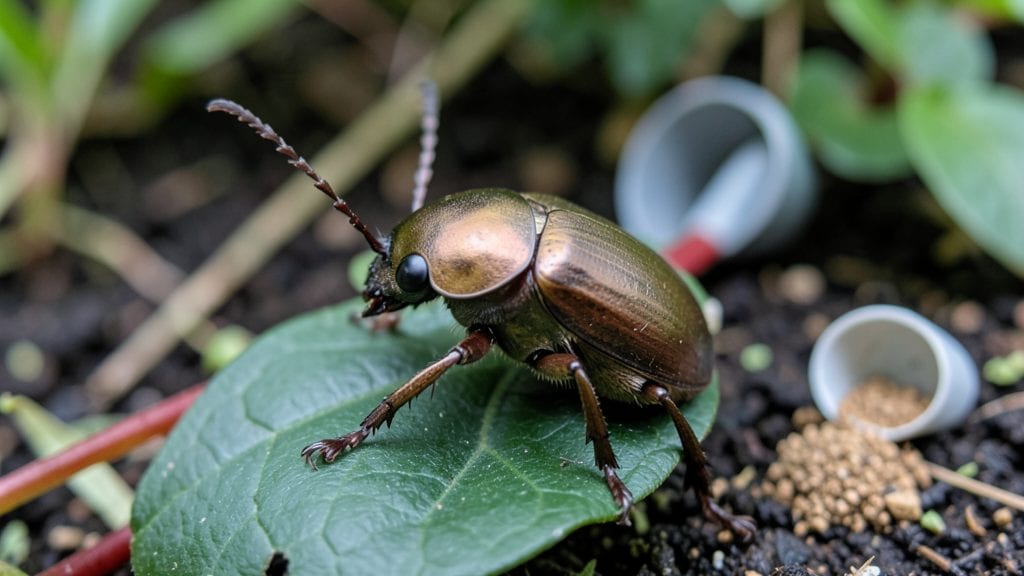
Noticing those telltale half-moon chew marks on your hostas or squash leaves could mean the Asian garden beetle is wreaking havoc in your yard. That’s the Asian garden beetle’s calling card—and I’ve spent three summers perfecting how to kick them out without resorting to harsh sprays.
The key isn’t just removing the adults but stopping their grubs before they turn your soil into a buffet. My first year, I lost an entire row of zucchini before I even knew what was happening.
You’ll need a few simple tools: a sturdy pair of gloves, a bucket of soapy water for adults, and maybe some row covers if grubs are already in the soil.
The grubs are the real troublemakers—they’ll hide in the top 4 inches of dirt until late summer, so early detection means digging them out by hand or letting chickens do the work for you. I’ve seen grubs as big as your pinky nail, and they multiply fast.
By the time you’re done, your plants will look like they’ve just had a spa day—no more jagged edges or overnight disappearances. The secret’s in timing: check for adults at dusk when they’re sluggish, and inspect soil moisture to find where grubs cluster.
Once you spot the pattern, you’ll catch them before they ruin another harvest.
This method works for vegetable gardens, flower beds, and even lawns where grubs create brown patches. The best part? Your soil stays healthy, and you avoid the chemical residue that can linger for seasons. Let’s get those beetles out for good—naturally.
📚 In This Guide
- What you need
- Instructions
- Tips and common mistakes
- Wrapping up and next steps
What you need
- ● Gloves (2 pairs): Heavy-duty, chemical-resistant gloves (e.g., nitrile or rubber) to protect your hands while handling beetles or traps.
- ○ Handheld vacuum (optional but helpful): A shop vac or small garden vacuum with a fine mesh bag (e.g., Black+Decker or Fiskars models) for quick beetle removal.
- ● Soapy water solution: 1 gallon of warm water + 1 tbsp mild dish soap (e.g., Dawn) in a spray bottle (16 oz).
- ● Cardboard or plastic containers: 2–3 shallow, lidded containers (e.g., 1-gallon size) for trapping beetles temporarily.
- ● Beer traps (DIY): 4–6 small plastic cups (4 oz) filled with dark beer (e.g., Budweiser or Coors) and buried flush with soil at beetle hotspots.
- ● Diatomaceous earth (food-grade): 1–2 lbs (e.g., Safer Brand) for barrier treatment around plants.
- ● Garden hose with nozzle: For rinsing plants after treatment.
- ● Neem oil spray: 1–2 bottles (e.g., Bonide) as a deterrent (mix 1 tbsp neem oil + 1 tsp mild soap per quart of water).
- ● Yellow sticky traps: 2–3 traps (e.g., Great Value brand) to monitor beetle activity.
- ● Pruning shears: For trimming heavily infested foliage.
- ● Beneficial nematodes: Steinernema carpocapsae (1–2 million per application) to target larvae in soil.
Step-by-step instructions for removing Asian garden beetles naturally
Here’s how to safely eliminate these pests without harsh chemicals—no gloves or masks needed.
Identify and Locate the Beetles
Asian garden beetles are about ½ inch long with metallic green heads and copper-brown wing covers. Look for them feeding on leaves at dusk or dawn, especially on roses, grapes, and vegetables. Check the undersides of leaves and along stems where they hide during the day.
I always start by inspecting the most damaged plants first—those with irregular holes or skeletonized leaves are their favorite spots. Grab a flashlight for evening checks, as they’re most active then. Note which plants have the heaviest infestation so you can focus your efforts there.
Handpick During Peak Activity
The most effective way to remove them is by hand, especially in the early morning or late evening when they’re sluggish. Wear long sleeves and pants to avoid skin contact, but skip the gloves—you’ll need a firm grip to pluck them off leaves.
Gently grasp the beetle’s wing covers between your thumb and forefinger and pull upward. Drop them into a bucket of soapy water (1 tablespoon dish soap per gallon) to kill them instantly. Work systematically from the top of the plant downward to avoid missing any hiding in crevices.
Apply Natural Repellents to Deter Returning Beetles
After removing the visible beetles, deter future visits with neem oil or kaolin clay. Mix 1 tablespoon neem oil with 1 teaspoon mild liquid soap in a gallon of water, then spray the solution on the top and bottom of leaves in the evening. The strong scent confuses their navigation system and makes plants less appealing.
For a non-spray option, dust plants with kaolin clay (available at garden centers) using a duster or sieve. The white coating creates a barrier they avoid, and it washes off with rain. Reapply every 5-7 days or after heavy rain to maintain protection.
Encourage Beneficial Predators
Ladybugs, lacewings, and parasitic wasps are natural enemies of Asian garden beetles. Attract them by planting dill, fennel, or yarrow nearby—these flowers provide nectar and shelter. Avoid pesticides entirely, as these predators are just as sensitive to chemicals as the beetles.
Place lacewing egg cards (available online) near infested areas in the evening. The eggs hatch into larvae that voraciously consume beetle eggs and young grubs. Check plants daily for signs of predation, like lacewing larvae (small, green, and alligator-like) or empty beetle egg cases on leaves.
Maintain Long-Term Prevention
Remove all plant debris and fallen leaves from your garden after each picking session—beetles and their larvae hide in these areas to overwinter. Mulch beds with straw or shredded leaves instead of wood chips, as the latter can harbor beetle eggs.
Rotate crops annually if growing vegetables, as beetles target the same plants year after year. If you notice grubs (white, C-shaped larvae) in the soil, handpick them too, especially after rain when they’re most visible. Consistency is key—check plants twice weekly during peak season (late spring to early fall) to stay ahead.
Tips & tricks for natural Asian garden beetle removal
These practical strategies will help you tackle beetle infestations more effectively while protecting your garden's health.
Timing is Everything: The early morning or late evening is absolutely critical for handpicking success. Beetles are sluggish during these cooler times, making them easier to grasp without damaging your plants. I've found that checking just before sunrise often yields the most beetles, as they've been feeding all night and are full and slow-moving. Bring a flashlight for evening checks—it helps spot beetles hiding in crevices that you might miss during daylight hours.
Soapy Water Solution: When making your soapy water mixture, use a mild dish soap—not hand soap or anything with strong fragrances. The key is to create a solution that kills instantly but doesn't harm beneficial insects. I've noticed that adding the beetles to soapy water immediately after picking prevents them from flying away or hiding again. For larger infestations, you can even use a small spray bottle with the same soapy water mixture to quickly dispatch beetles you can't pick by hand.
Repellent Application Technique: When applying neem oil or kaolin clay, focus on the undersides of leaves where beetles often hide during the day. I've learned that spraying in the evening works better than daytime application because the strong scent of neem oil can attract beetles during hot afternoons. For kaolin clay, use a duster or sieve to create a fine, even coating—this prevents clumping that might deter beneficial insects. Reapplying every 5-7 days is crucial, especially after rain, as the protection wears off over time.
Predator Attraction Strategy: Planting dill, fennel, or yarrow near your infested plants creates a dual benefit: these flowers attract beneficial predators while also providing food for your garden. I've noticed that lacewing egg cards placed in the evening near heavily infested areas show the most dramatic results within a week. The key is consistency—once you establish these predator populations, they'll help control beetle numbers naturally over multiple seasons.
Pro Tips for Asian Garden Beetle
- These practical strategies will help you tackle beetle infestations more effectively while protecting your garden's health.
- Timing is Everything: The early morning or late evening is absolutely critical for handpicking success.
- Soapy Water Solution: When making your soapy water mixture, use a mild dish soap—not hand soap or anything with strong fragrances.
Frequently asked questions
What do Asian garden beetles look like, and how can I tell them apart from other beetles?
Asian garden beetles (AGBs) are about half an inch long, with a shiny black head, thorax, and reddish-brown wing covers. Their legs and undersides are bright orange-red. Unlike Japanese beetles (which have metallic green heads), AGBs have a distinctive "V" shape on their wing covers. Check for these clues during late spring/early summer when they’re most active!
When is the best time to remove Asian garden beetles from my yard?
Timing is key! Target AGBs late May through July when adults emerge to feed. Early morning or evening (when they’re sluggish) is ideal for handpicking. If larvae are your issue, treat soil in late summer/fall before they pupate. Pro tip: Monitor weekly—these beetles reproduce fast!
Are there natural alternatives to chemical pesticides for Asian garden beetles?
Try these non-toxic methods:
- Handpick beetles into soapy water (wear gloves!).
- Use neem oil or kaolin clay sprays as a deterrent.
- Encourage beneficial predators like birds, toads, or parasitic wasps.
- Apply milky spore (for larvae) or beneficial nematodes to soil.
For heavy infestations, repeat treatments every 7–10 days for best results.
Will Asian garden beetles harm my plants permanently, or is the damage reversible?
AGBs cause cosmetic damage (skeletonized leaves, chewed flowers) but rarely kill plants. Most grasses, vegetables, and ornamentals recover with consistent pruning and care. Focus on removing beetles early to prevent stress. If larvae are eating roots, amend soil with compost to boost plant resilience.
How do I know if Asian garden beetle larvae are in my lawn, and how do I get rid of them?
Look for white, C-shaped grubs (1 inch long) in soil when digging or watering. Signs include wilting grass, brown patches, or increased mole activity. To remove larvae:
- Apply beneficial nematodes (like Heterorhabditis bacteriophora).
- Use a sharp spade to aerate soil and expose grubs to birds.
- Water deeply to flush them out during rainy seasons.
Reapply treatments in fall if grubs persist.
Wrapping up and next steps
Dealing with an Asian garden beetle infestation doesn’t have to mean reaching for harsh chemicals!
By using natural, eco-friendly methods like handpicking, neem oil sprays, or introducing beneficial predators, you can protect your garden while keeping your family and pets safe. 🌿 The key is consistency—act quickly, monitor your plants, and stay proactive to keep these pests at bay.
Ready to take action? Start by inspecting your garden this weekend—early detection makes all the difference! And if you’re unsure where to begin, revisit our step-by-step guide or FAQs for extra confidence. Your garden (and the planet) will thank you! 🌱