
Shrubs
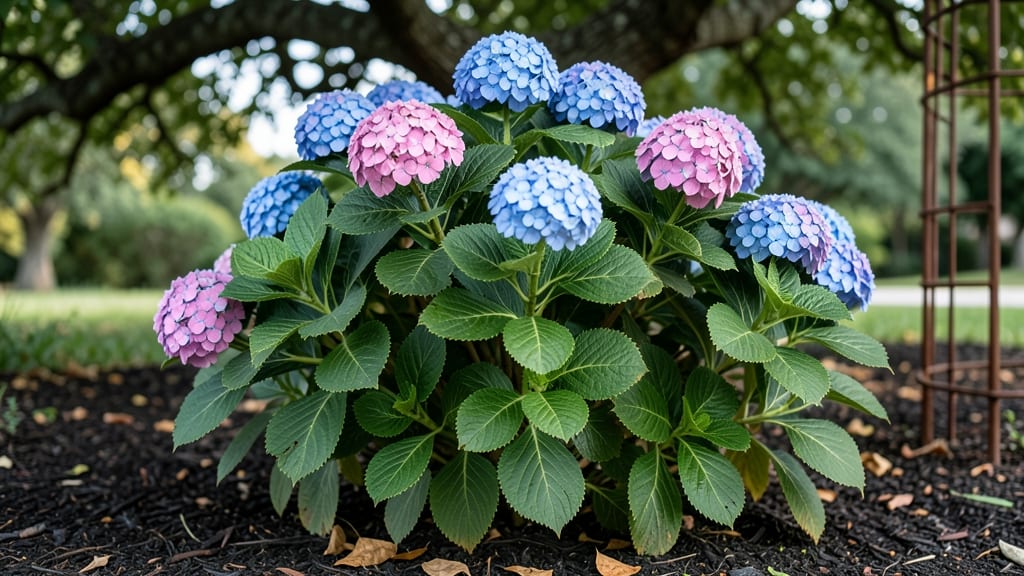
The best garden shrubs don’t just survive—they thrive with almost no fuss, offering lush foliage, vibrant blooms, or striking bark year after year. I’ve tested dozens of varieties, and these stand out for their hardiness, minimal pruning needs, and ability to transform any space into a low-maintenance oasis.
The key? Choosing shrubs that match your climate, sunlight, and design goals—whether you want privacy, fragrance, or seasonal interest without the upkeep.
Picture this: a hydrangea with blooms that shift color based on soil pH, a boxwood providing structured greenery for hedges, or a dwarf lilac bursting with spring fragrance. These plants deliver four-season appeal with just occasional trimming—no shearing required.
Most grow 3-10 feet tall, fitting neatly into borders, foundation plantings, or mixed beds, and they’re tough enough for beginners but sophisticated enough to impress seasoned gardeners.
What you’ll get is a garden that looks effortlessly polished, even when you’re not actively working in it. The foliage stays vibrant green, the blooms attract pollinators, and the structure adds depth to your landscape.
For example, inkberry holly offers glossy leaves and berries for wildlife, while butterfly bush draws in pollinators with its fragrant spikes. The best part? These shrubs handle drought, pests, and poor soil better than most annuals.
Whether you’re filling a shady corner, creating a privacy screen, or adding texture to a sunny border, these shrubs adapt to almost any spot. Let’s dive into the top picks—each one a game-changer for your garden’s curb appeal and ease of care.
📚 In This Guide
- What you need
- Instructions
- Tips and common mistakes
- Wrapping up and next steps
What you need
- ● Shrubs: Choose 3–5 hardy, low-pruning varieties (e.g., Boxwood, Hydrangea, or Butterfly Bush). Buy 1–3 plants per type for balanced coverage.
- ● High-quality potting soil: 2–3 cubic feet per shrub (look for a mix with peat moss, perlite, and compost for drainage).
- ● Mulch: 2–3 inches of organic mulch (e.g., pine bark or shredded leaves) to retain moisture and suppress weeds.
- ● Fertilizer: Slow-release granular fertilizer (e.g., 10-10-10 NPK ratio) or organic options like composted manure.
- ● Pruning shears: Bypass pruners (sharp, 7–9 inch blades) for clean cuts.
- ● Garden gloves: Heavy-duty, waterproof to protect your hands.
- ● Watering can or hose: With a spray nozzle for gentle watering.
- ○ Stakes or plant supports: 4–6 inch wooden or metal stakes (optional, for young or tall shrubs).
- ● Soil tester kit: To check pH and nutrient levels (ideal range: 6.0–7.0 for most shrubs).
- ● Plant food spikes: For extra nutrients during the growing season.
- ● Drip irrigation system: Automates watering and saves time!
- ● Decorative rocks or edging: Adds a polished look to your shrub beds.
- ● Seasonal blooms: Annual flowers (e.g., petunias or marigolds) to complement your shrubs.
Instructions for selecting and planting the best low-maintenance shrubs
Here’s how to create a stunning, year-round garden with shrubs that thrive with minimal effort.
Choose Shrubs for Year-Round Interest
Select a mix of evergreens, semi-evergreens, and deciduous shrubs to ensure color and texture throughout all seasons. For example, Boxwood provides dense, glossy foliage year-round, while Oakleaf Hydrangea delivers vibrant fall color and winter interest with its exfoliating bark. Pair these with Dwarf Fothergilla for fragrant spring blooms and fiery autumn foliage.
Consider your climate zone—Holly thrives in cooler regions, while Abelia handles heat and humidity beautifully. I always cross-reference shrubs with my local USDA hardiness zone to ensure they’ll survive winters without extra care. A well-balanced selection keeps your garden dynamic, even when some plants are dormant.
Prepare the Planting Site for Optimal Growth
Test your soil’s pH and amend it as needed before planting. Most shrubs prefer slightly acidic to neutral soil (pH 6.0–7.0), but Azaleas and Rhododendrons demand acidic soil (pH 4.5–5.5). Mix in 2–3 inches of compost into the top 12 inches of soil to improve drainage and fertility, using the 3 gallons of compost from your supplies.
Dig holes twice as wide as the root ball but only as deep as the container’s base. This prevents root suffocation and encourages outward growth. Gently loosen the roots of container-grown shrubs before placing them in the hole—this helps them establish faster. Water deeply right after planting to settle the soil around the roots.
Plant Shrubs at the Correct Depth and Spacing
Position shrubs according to their mature size. Boxwood and Dwarf Lilac stay compact, so plant them 3–4 feet apart, while Oakleaf Hydrangea needs 5–6 feet of space to avoid overcrowding. Use the 4 shrubs you’ve selected to create visual balance—place taller varieties at the back and shorter ones in front.
Set each shrub so the top of the root ball sits 1 inch above the surrounding soil. This prevents water from pooling around the stem, which can cause rot. Backfill with native soil, firming it gently to eliminate air pockets. Mulch with 2 inches of shredded bark (using the 1 bag of mulch) to retain moisture and suppress weeds, keeping the mulch 6 inches away from the stem to avoid smothering.
Water and Mulch for Long-Term Health
Water newly planted shrubs deeply once a week for the first month, ensuring the soil is moist 6 inches down. After that, reduce watering to every 10–14 days, depending on rainfall. Most mature shrubs are drought-tolerant once established, but newly planted specimens need consistent moisture to develop strong roots.
Reapply 1–2 inches of mulch annually in early spring to maintain soil moisture and regulate temperature. Avoid piling mulch against stems—this can trap excess moisture and attract pests. Prune only as needed to shape the shrub, removing no more than 25% of the foliage in one season to avoid stressing the plant.
Monitor and Adjust for Seasonal Changes
Inspect shrubs monthly for signs of pests or disease, such as yellowing leaves or sawdust-like frass (a sign of borers). Neem oil or horticultural soap can treat minor infestations early. In late winter, prune dead or crossing branches to encourage airflow and reduce disease risk.
Fertilize lightly in early spring with a balanced, slow-release fertilizer (10-10-10) to support new growth. Over-fertilizing can lead to weak, leggy stems, so follow package instructions carefully. With minimal pruning and proper spacing, these shrubs will provide years of low-maintenance beauty while requiring little more than seasonal checks.
Tips & tricks for perfect year-round shrub gardens
Creating a low-maintenance shrub garden that thrives all year requires strategic planning—and these insider tips will help you avoid common pitfalls while maximizing beauty and resilience.
Climate Zone Intelligence: Before purchasing shrubs, verify their hardiness ratings against your USDA zone. For example, Holly thrives in zones 5-9, while Abelia excels in zones 6-10. I always check three zones beyond my current location to account for microclimates in my yard. This simple step prevents costly mistakes when plants fail to thrive in unexpected conditions.
Soil Science Matters: The pH adjustment in Step 2 is critical—most shrubs prefer 6.0-7.0, but acid-lovers like Azaleas need 4.5-5.5. Test your soil before amending, and remember that 2-3 inches of compost mixed into the top 12 inches creates the perfect foundation. Pro tip: Use a soil test kit with a color chart for quick results rather than waiting for lab analysis.
Root Ball Revelation: When planting, never bury the root ball deeper than its original soil line. The 1-inch elevation above ground level in Step 3 prevents waterlogging while allowing roots to expand naturally. I've seen gardeners bury stems too deeply, which leads to rot and stunted growth. Gently loosen container roots before planting to encourage faster establishment.
Seasonal Calendar: The monthly inspection routine in Step 5 is your best defense against pests. Look for early signs like yellowing leaves (often a nutrient deficiency) or sawdust-like frass (borer activity). Neem oil or horticultural soap applied at the first sign can prevent minor issues from becoming major problems. I schedule my inspections for the same day each month to build consistency.
Pro Tips for Best Garden Shrubs
- Creating a low-maintenance shrub garden that thrives all year requires strategic planning—and these insider tips will help you avoid common pitfalls while maximizing beauty and resilience.
- Climate Zone Intelligence: Before purchasing shrubs, verify their hardiness ratings against your USDA zone.
- Soil Science Matters: The pH adjustment in Step 2 is critical—most shrubs prefer 6.0-7.0, but acid-lovers like Azaleas need 4.5-5.5.
Frequently asked questions
Got questions about picking and caring for the best garden shrubs? You’re not alone! Here are answers to some of the most common queries to help you create a low-maintenance, vibrant landscape.
What are the easiest shrubs to grow for beginners?
Start with boxwoods, hydrangeas, or abelia—they’re hardy, adaptable, and thrive with minimal fuss. Boxwoods tolerate shade, hydrangeas offer bold blooms, and abelia delivers year-round interest with fragrant flowers. All three require minimal pruning and handle neglect better than fussy varieties.
When is the best time to plant shrubs for long-term success?
Plant in early spring or fall (4–6 weeks before frost) when soil is workable but not extreme. This gives roots time to establish before summer heat or winter cold. Avoid planting in peak summer or winter—stress increases transplant shock. Pro tip: Water deeply after planting and mulch to retain moisture!
How do I keep shrubs from overgrowing or looking messy?
Most low-maintenance shrubs (like dwarf ninebark or lilacs) need pruning only every 2–3 years. Trim in late winter/early spring to shape, removing 1/3 of old wood to encourage new growth. For flowering shrubs, prune right after blooming to avoid cutting off next year’s flowers.
What’s the best way to prevent pests or diseases in shrubs?
Healthy soil and proper spacing (3–5 feet apart) reduce pest risks. Monitor for aphids, spider mites, or fungal spots—early intervention (neem oil, pruning affected areas) works best. Choose disease-resistant varieties (e.g., ‘Annabelle’ hydrangeas) and avoid overwatering. Pro tip: Mulch to deter weeds, which harbor pests!
Can I mix shrubs with different colors or heights in one garden bed?
Layer shrubs by height (tall in back, medium/mound-shaped in middle, low in front) for depth. Pair deep purples (e.g., butterfly bush) with soft pinks (e.g., hydrangeas) or silver foliage (e.g., dusty miller) for contrast. Just ensure they share similar sun/water needs to avoid competition.
Wrapping up and next steps
Choosing the best garden shrubs for year-round beauty doesn’t have to be complicated—especially when you prioritize low-maintenance varieties like hydrangeas, boxwoods, or abelia. These hardy plants bring color, texture, and structure to your landscape with minimal pruning, making them perfect for busy gardeners or beginners.
Whether you love bold blooms, lush greenery, or fragrant foliage, there’s a shrub that fits your style and your schedule!
Ready to transform your outdoor space? Start by selecting 1-2 shrubs that match your climate and design goals, then grab your pruners and get planting! 🌿 With the right choices, your garden will stay vibrant—and effortless—all year long.