Picking
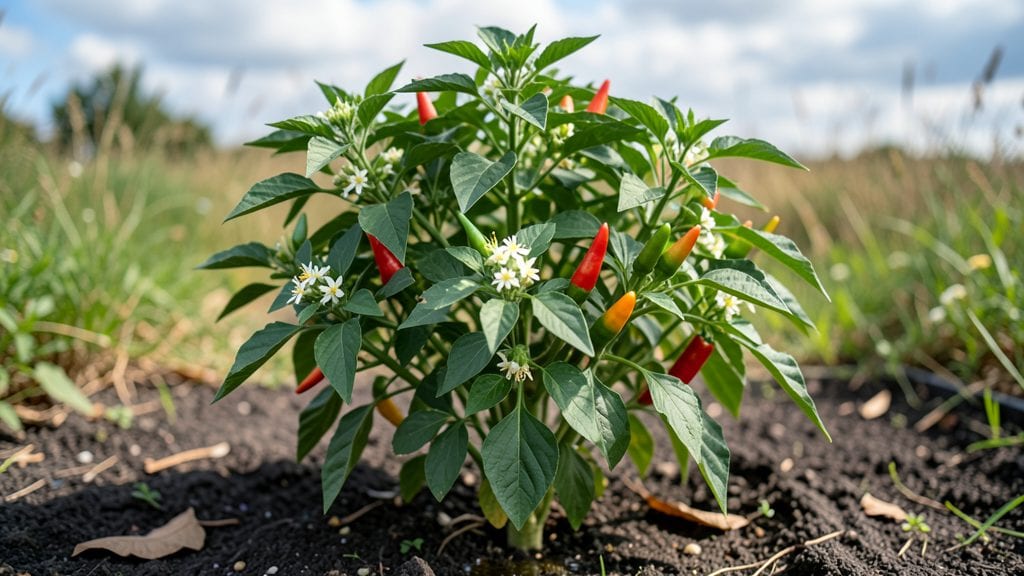
Growing cayenne peppers from seed is like unlocking a tiny fire factory in your garden. 🌱 I remember my first harvest—tiny, bright red pods that packed enough heat to turn my hands red just from touching them.
The key to success starts with the right soil mix and a warm, sunny spot, whether you're planting outdoors after frost or starting seeds indoors under grow lights.
You’ll need well-draining soil with a pH between 6.0 and 7.0, a spot that gets at least 6-8 hours of direct sunlight daily, and consistent moisture—never soggy soil.
Cayennes thrive in 5-6 gallon containers if space is tight, and they love a little extra fertilizer every 3-4 weeks once flowers appear. The payoff? A plant that can produce hundreds of peppers per season if you keep it healthy.
Here’s the magic: when you pinch off early flowers, the plant focuses energy on stronger stems and bigger pods. By mid-summer, you’ll be harvesting peppers that dry into the fiery spices you love. The first taste of homegrown cayenne—smoky, sharp, and unmistakably yours—is worth every bit of patience.
Whether you’re growing in a backyard bed or a sunny windowsill, cayennes adapt surprisingly well. Just watch for pests like aphids and keep an eye on watering—too much can dilute the heat. Let’s turn those seeds into a harvest that’ll make your kitchen (and your neighbors) jealous.
📚 In This Guide
- What you need
- Instructions
- Tips and common mistakes
- Wrapping up and next steps
What you need
- ● Cayenne pepper seeds: 10–20 seeds (choose a variety like Jalapeño M or Carolina Reaper for extra heat!)
- ● Seed starting mix: 1–2 small trays (sterilized, peat-based or coconut coir blend)
- ● Grow lights or sunny windowsill: 6+ hours of light daily (or a seedling heat mat for warmth)
- ● Plant pots (3–4 inches): 5–10 pots with drainage holes
- ● Well-draining potting soil: 5–10 gallons (mix with perlite or vermiculite for aeration)
- ● Fertilizer: Balanced organic fertilizer (e.g., 5-5-5 or compost tea)
- ● Watering can with a fine rose: For gentle hydration (avoid soggy soil!)
- ● Garden gloves: 1 pair (cayenne peppers can be spicy to handle!)
- ● Sturdy stakes or cages: 3–5 pieces (for support as plants grow)
- ● Pruning shears: 1 pair (for harvesting and shaping plants)
- ● Soil pH test kit: Cayennes thrive in slightly acidic soil (pH 6.0–6.8)
- ● Drip irrigation system: For consistent moisture in larger gardens
- ● Row covers: To protect seedlings from pests or late frosts
- ● Spray bottle: For misting seedlings in humid conditions
- ● Harvesting basket or container: To collect your fiery bounty!
Step-by-step instructions for growing cayenne peppers
Here's how to cultivate fiery cayenne peppers from seed to harvest with minimal fuss.
🌱 Step 1: Start Seeds Indoors 8-10 Weeks Before Last Frost
Fill a seed tray with the seed-starting mix—I like to press it down lightly so it's firm but not compacted. Cayenne seeds need warmth to germinate, so place the tray on a seedling heat mat set to 80-85°F. Scatter 4-5 seeds per cell at a depth of ¼ inch, then cover with a sprinkle of mix. Mist gently with water until the surface looks damp but not wet.
Cover the tray with plastic wrap to trap heat and moisture, then place it in a dark spot. Germination takes 10-14 days—don't be tempted to peek too often. Once sprouts appear, remove the wrap and move them to a bright, indirect light spot. You'll know they're ready when the first true leaves (not the initial seed leaves) emerge.
☀️ Step 2: Harden Off and Transplant After Warmth Arrives
When seedlings are 3-4 inches tall and have 4-5 true leaves, it's time to harden them off. Start by placing them outside in a sheltered spot for 1 hour daily, gradually increasing time over 7-10 days. Cayennes are heat-lovers, so avoid transplanting until soil temperatures reach at least 65°F. Choose a location with full sun (6+ hours daily)—they'll reward you with bold red peppers if given enough warmth.
Dig holes 12-18 inches apart (they need space to sprawl) and mix compost into the soil for extra nutrients. Transplant carefully, burying stems up to the first set of leaves—this encourages stronger root growth. Water deeply right after planting to settle the soil around the roots.
💧 Step 3: Water and Fertilize for Maximum Heat Production
Cayennes hate soggy soil, so water deeply once a week, letting the top 2 inches dry out between waterings. Overwatering leads to blossom-end rot, which ruins peppers. Instead, focus on consistent moisture—think of it like a slow drink, not a flood. A 5-gallon watering can with a gentle spray nozzle works best for even distribution.
Feed plants every 3-4 weeks with balanced fertilizer (10-10-10 or similar). Stop fertilizing 4-6 weeks before harvest—too much nitrogen makes peppers grow leaves instead of fruit. You'll notice the difference when peppers start turning red: that's your cue they're packing maximum heat!
✂️ Step 4: Prune and Harvest for Bold Flavor
Pinch off the first few flowers that appear to encourage stronger root and stem growth. Once plants are established, let them go wild—cayennes produce more peppers when left unpruned. Harvest when peppers turn bright red (for sweetness) or leave them green for extra heat. Use clean pruning shears to snip stems just above a leaf node—this prevents disease spread.
Don't harvest all at once! Picking peppers regularly encourages more production. Store fresh cayennes in the fridge for 1-2 weeks or dry them for long-term use. The hotter the pepper, the more care it needs—but trust me, the reward is worth it.
Tips & tricks for growing cayenne peppers
A few simple tricks will help you grow cayenne peppers that pack serious heat and flavor. Here's what I've learned from years of growing these fiery beauties.
The Heat Factor: Cayenne seeds need that perfect warmth of 80-85°F to germinate—don't cut corners here. I use a seedling heat mat, but you can also place the tray on top of your fridge (where it's naturally warm). The key is consistency—fluctuating temperatures will delay or prevent germination altogether. If your home stays cooler than this, consider using a small greenhouse or propagator to maintain the right heat.
Timing Secret: That 1 hour daily hardening off period in Step 2 might seem short, but it's crucial. I've seen seedlings shocked when moved too quickly from indoor comfort to outdoor elements. Gradually increase their time outside by 30 minutes every 2-3 days—this toughens them up without causing stress. By day 7-10, they should be ready for full sun exposure, which cayennes absolutely crave for maximum heat production.
Transplanting Wisdom: When burying stems up to the first set of leaves during transplanting, you're actually encouraging stronger root systems. This might seem counterintuitive, but cayennes respond incredibly well to this technique. Just make sure your soil temperatures have reached at least 65°F—cold soil can stunt their growth right from the start. I always check soil temps with a simple thermometer before transplanting, and it's made all the difference in my cayenne yields.
Harvesting Hack: For the hottest cayennes, leave them on the vine until they turn bright red. But if you need them green, harvest when they're about 3-4 inches long. I've found that picking regularly—every 3-5 days—actually encourages more pepper production. The plants sense they need to keep making fruit! Just be sure to use clean pruning shears each time to prevent disease spread between plants.
Pro Tips for Cayenne Pepper Gardening
- A few simple tricks will help you grow cayenne peppers that pack serious heat and flavor.
- The Heat Factor: Cayenne seeds need that perfect warmth of 80-85°F to germinate—don't cut corners here.
- Timing Secret: That 1 hour daily hardening off period in Step 2 might seem short, but it's crucial.
Frequently asked questions
Got questions about growing cayenne peppers? You’re not alone—this fiery plant can be tricky for beginners! Here are answers to the most common queries to help you cultivate a thriving (and spicy) harvest.
When is the best time to plant cayenne peppers?
Cayenne peppers thrive in warm weather, so plant them after the last frost when soil temperatures reach at least 65°F (18°C). Start seeds indoors 8–10 weeks before the last frost, or buy transplants for a head start. If you’re in a short-season zone, opt for faster-maturing varieties like ‘TAM Mild’ or ‘Louisiana Hot.’
How long does it take for cayenne peppers to mature?
Most cayenne varieties take 75–90 days to mature from transplanting, but some heat-loving types (like ‘Mad Dog’) can stretch to 120 days. Check seed packets for exact timelines—patience is key! Harvest when peppers turn deep red (or your preferred color) and feel firm to the touch.
Why aren’t my cayenne peppers getting spicy?
Heat levels drop if peppers don’t get enough sun (6+ hours/day) or consistent warmth (above 70°F). Over-fertilizing with nitrogen (for leafy growth) can also dilute spice. Switch to a low-nitrogen, high-phosphorus fertilizer mid-season to boost heat production. Pro tip: Let a few peppers ripen fully—immature ones pack less punch!
What pests should I watch for in cayenne plants?
Cayenne peppers attract aphids, spider mites, and hornworms (those green caterpillars with white stripes!). Handpick hornworms early, spray aphids with soapy water, and use row covers to deter pests. Bonus: Plant basil nearby—its scent repels many common pepper pests naturally!
Can I grow cayenne peppers in containers?
Choose a pot at least 12–18 inches deep with drainage holes, and use a well-draining potting mix. Dwarf varieties like ‘Apache’ or ‘Jalapeño M’ work well in containers. Place them in a sunny spot (south-facing windowsill or balcony) and fertilize every 2–3 weeks for maximum yield.
Wrapping up and next steps
Growing your own cayenne peppers is a rewarding journey that brings bold flavors and fiery satisfaction to your kitchen! 🌶️ From selecting the right seeds to harvesting and preserving, every step is an opportunity to connect with nature and elevate your cooking.
Whether you're a seasoned gardener or a beginner, the spicy rewards make it worth the effort.
Now that you’re armed with knowledge, take the next step—plant those seeds and watch your garden transform into a heat-filled haven. Share your progress, experiment with varieties, and enjoy the fiery fruits of your labor! 🌱