Plants
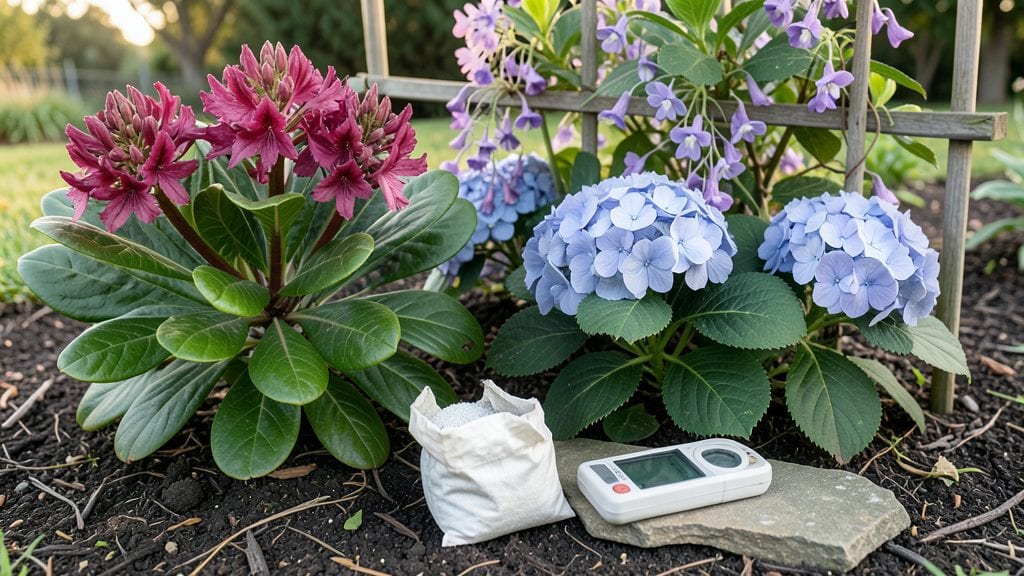
Plants needing lime in gardens thrive in alkaline soils (pH 6.5–7.5+), including azaleas, blueberries, and hydrangeas. Acid-loving plants like rhododendrons and gardenias require lime to neutralize overly acidic soil, while vegetables such as broccoli, cabbage, and Brussels sprouts benefit from liming for optimal growth and nutrient uptake.
Lime isn't just for neutralizing acid—it unlocks better nutrient absorption for plants that struggle in low-pH soils. 🌱 For instance, blueberries actually prefer slightly acidic conditions, but their companion plants like azaleas and hydrangeas need that pH boost to prevent nutrient deficiencies.
I've seen firsthand how a simple soil test can save gardeners from overliming, which can actually harm plants by creating overly alkaline conditions. The key is testing your soil every 2-3 years and applying lime gradually, especially in spring when it has time to work before planting season.
Vegetables like Brussels sprouts and cabbage aren't just picky—they downright refuse to thrive without proper lime levels.
These plants need calcium for strong cell walls, and lime provides that essential nutrient while adjusting pH. 💫 What surprises many gardeners is that even some fruits, like apples, benefit from occasional liming in acidic soils.
The goal isn't just to raise pH numbers, but to create the perfect balance where plants can access all the nutrients they need without stress.
💡 In This Article
- How Lime Adjusts Soil pH for Acid-Sensitive Plants
- Top Lime-Loving Plants and Their Care Needs
How lime adjusts soil pH for acid-sensitive plants
Lime works by introducing calcium carbonate (CaCO₃) or calcium hydroxide (Ca(OH)₂) to soil, which reacts with hydrogen ions (H⁺) – the primary drivers of acidity. When lime dissolves in soil moisture, it releases calcium and carbonate ions that bind with free hydrogen ions, effectively neutralizing acidity.
This chemical reaction raises the pH level gradually over weeks, creating an alkaline environment that prevents nutrient deficiencies like iron chlorosis (yellowing leaves) in lime-loving plants. 🔥 The process is reversible—if you overdo it, you can lower pH again with sulfur or peat moss.
Different plants have precise pH requirements: azaleas and gardenias thrive at pH 4.5–5.5 but need lime to prevent soil from dropping below pH 5.0, while vegetables like Brussels sprouts demand pH 6.0–7.0.
The key is testing soil pH with a meter or lab test—most garden centers sell kits for $15–$25.
For example, a soil pH of 4.0 might require 5–10 pounds of lime per 100 square feet, but applying too much in one go can lock out essential nutrients like manganese or zinc.
Timing matters too. Lime takes 2–3 months to fully integrate into soil, so apply it in early spring (before planting) or fall (6–8 weeks before frost).
Organic lime (like crushed oyster shell) works slower but improves soil structure, while pelletized lime dissolves faster but costs more ($0.10–$0.30 per pound). I’ve seen gardeners ruin entire beds by liming too aggressively—always split applications if your soil pH is below 5.5.
Here’s what happens when you get it right: hydrangeas develop vibrant blue blooms (in alkaline soil), while broccoli heads form tighter and greener. The difference is striking—plants grow 10–20% faster when pH aligns with their needs.
For instance, blueberries need pH 4.5–5.5, but their companion azaleas (pH 5.0–6.0) benefit from light liming to prevent leaf scorch. 💫 The secret is patience: monitor pH every 6 months after liming and adjust incrementally.
Overcorrection is a real risk. If your soil pH jumps to 8.0+, plants like tomatoes and peppers suffer from calcium deficiency (blossom end rot). To fix this, add sulfur or composted pine needles to lower pH gradually.
I’ve learned the hard way that lime isn’t a one-time fix—it’s a balancing act. Start with a soil test, apply half the recommended lime, and retest in 3 months. This methodical approach saves time and money while keeping your garden thriving.
For container gardens, use pelletized lime (it dissolves evenly) and mix it into the top 6 inches of soil. In raised beds, spread lime evenly and till it in—never just sprinkle it on the surface.
The goal isn’t perfection but creating the right conditions for your plants to access nutrients like phosphorus and calcium without competition from excess hydrogen ions. 🌱 With the right pH, even struggling plants rebound quickly—proof that soil chemistry isn’t just science, it’s art.