Tools
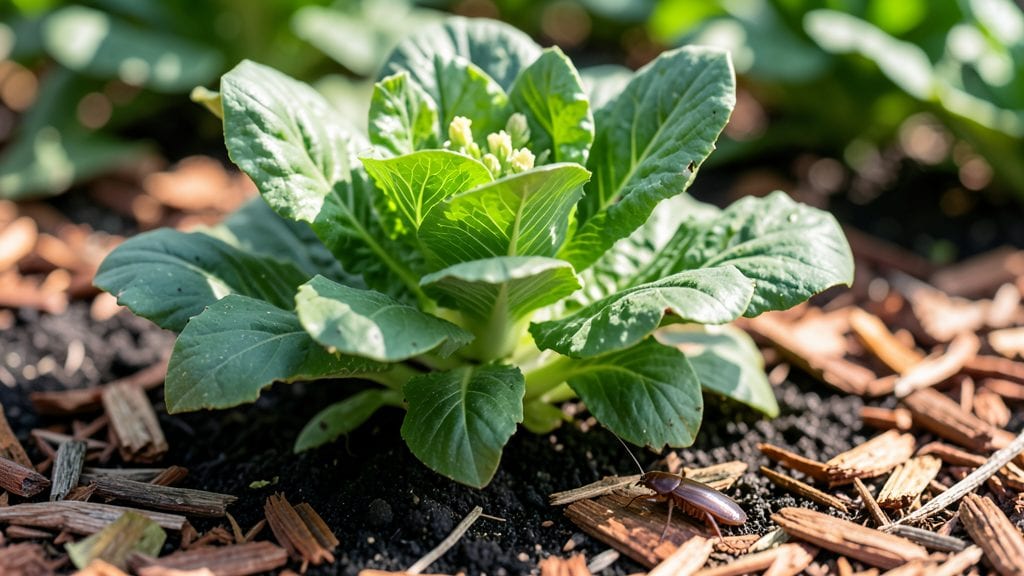
Cockroaches in your garden aren't just creepy—they're destructive, munching through tender seedlings and leaving behind a trail of damage that can ruin your harvest. 🌱 I’ve battled them in my own raised beds, and the wrong traps only make things worse by harming beneficial insects or poisoning the soil.
The solution? Targeted, plant-safe methods that actually work.
Most people reach for chemical sprays first, but those can linger in the soil and harm pollinators like bees and ladybugs. Instead, I focus on traps that lure roaches away without touching the plants—think sticky barriers, beer traps, or even simple cardboard rolled into tubes.
These methods catch the pests where they hide while keeping your veggies and flowers unharmed.
By the time you’re done, your garden will be roach-free and thriving. The key is acting fast—cockroaches multiply quickly, but with the right setup, you’ll see a noticeable drop in their numbers within a week. Plus, these traps are reusable, so you won’t be buying new supplies every season.
Works for any garden size, from small containers to full backyard plots. The best part? You’ll protect your plants and the helpful bugs that keep your garden balanced. Let’s get those pests out for good.
What Draws Them Into Gardens
Cockroaches may seem like unwelcome guests, but their presence in your garden isn’t random—it’s a response to specific conditions and resources they seek. Understanding these triggers is the first step to preventing an infestation. Here’s why these resilient pests invade your outdoor space:
Cockroaches are omnivorous scavengers, and gardens offer an all-you-can-eat spread. Here’s what makes your yard a five-star dining destination for them:
- Decaying organic matter: Rotting leaves, fallen fruits, and compost piles are their equivalent of a gourmet meal. German cockroaches, in particular, thrive on fermenting plant material, while outdoor species like Periplaneta americana (American cockroaches) feast on larger decomposing debris.
- Pet food left outdoors: Uneaten kibble, spilled water, or even pet waste can attract cockroaches. They’re drawn to high-protein and high-carb sources, making pet areas a magnet.
- Overripe or fallen fruits/vegetables: Cockroaches have a sweet tooth—overripe tomatoes, dropped citrus, or squash are like candy to them. Their saliva contains enzymes that break down fruit sugars, making it easier to consume.
- Human food waste: If your outdoor trash bin isn’t sealed or is overflowing, cockroaches will treat it like a dumpster dive. Even crumbs from picnics or barbecues can lure them in.
Pro tip: 🌡️ Regularly clear fallen produce, secure trash bins with locking lids, and store pet food in metal containers. Cockroaches avoid clean, dry environments—starve them out!
Cockroaches need moisture to survive, and gardens provide it in abundance—often in ways you might not notice. Here’s how your yard becomes their hydration station:
- Damp soil and mulch: Overwatered plants, soggy mulch, or poorly draining soil create the perfect humid microclimate. Cockroaches seek out these moist areas to lay eggs and hide.
- Leaky hoses or irrigation systems: A slow drip or a broken sprinkler head can create a steady water source. Even condensation from pots or shaded areas can be enough to sustain them.
- Standing water: Birdbaths, clogged gutters, or shallow dishes left outdoors can become breeding grounds. Cockroaches like Shelfordella lateralis (a tropical species) require high humidity to thrive.
- Dew and morning frost: While not a primary source, these can provide temporary relief in dry climates, encouraging cockroaches to linger near plants where moisture lingers longer.
Pro tip: ⏰ Fix leaks promptly, avoid overwatering, and use gravel instead of mulch in problem areas. Cockroaches avoid dry, well-drained soil—keep them guessing!
Cockroaches are masters of disguise, and gardens offer plenty of hiding spots—both natural and man-made. Here’s where they stash themselves:
- Under rocks, logs, and dense foliage: Dark, undisturbed areas provide cover from predators (like birds or lizards) and sunlight. They’ll squeeze into cracks in bark, under mulch, or beneath loose garden stones.
- Piles of debris or leaf litter: A messy garden is a cockroach’s dream. They thrive in cluttered spaces where they can burrow deep and avoid detection.
- Structural nooks: Wooden fence posts, hollow stems of plants, or even the gaps in outdoor furniture can become their homes. Some species, like the Australian cockroach, nest in termite mounds or under bark.
- Near human structures: Patios, sheds, and the bases of houses provide easy access to both shelter and food. They’ll exploit tiny gaps in siding, vents, or foundation cracks.
Pro tip: 🔥 Declutter your garden regularly—remove leaf litter, stack firewood away from the house, and seal gaps in fences or structures. Cockroaches hate clean, open spaces!
Cockroaches are cold-sensitive but love warmth and humidity. Your garden’s microclimate can either repel or attract them:
- Warm, humid climates: Regions with hot summers and high humidity (like the Southeast U.S. or tropical areas) see year-round cockroach activity. They thrive in these conditions and may even breed outdoors.
- Seasonal migrations: In cooler climates, cockroaches may seek shelter in gardens during fall to avoid frost. They’ll hide under mulch or in sheds until temperatures rise again in spring.
- Nighttime activity: Cockroaches are nocturnal, so they’re most active when it’s dark and moist. If your garden stays damp or shaded at night, it becomes their playground.
- Sudden weather changes: Heavy rains can wash them out of their usual hiding spots, making them more visible. Conversely, droughts can force them to seek moisture in your yard.
Pro tip: ✨ Use outdoor lighting strategically—motion-sensor lights can deter nighttime foraging. In dry climates, mulch with straw instead of wood chips to reduce moisture retention.
Banish Garden Pests Naturally
Cockroaches in your garden aren’t just an eyesore—they can damage plants, contaminate soil, and even spread diseases. But the good news? You can tackle them effectively without resorting to harsh chemicals that might harm your greenery.
Below, we break down the most common causes of these unwelcome visitors and provide practical, eco-friendly solutions to evict them for good.
Cockroaches thrive in moist environments, so soggy soil or poor drainage can turn your garden into their ideal hideout.
How to Fix It:
- 🔥 Improve Drainage – Ensure your garden beds have proper drainage by adding organic matter like compost or mulch. This helps soil dry out faster after rain.
- 🍳 Adjust Watering Habits – Water plants in the early morning so excess moisture evaporates by evening. Avoid overwatering, and let the top inch of soil dry out between waterings.
- 👨🍳 Use Gravel or Sand – If your garden has clay-heavy soil, mix in coarse sand or gravel to improve aeration and reduce moisture retention.
Prevention Tip: 💡 Install a soil moisture meter to monitor dampness and adjust watering accordingly.
Piles of leaves, compost heaps, or rotting wood create the perfect breeding ground for cockroaches.
How to Fix It:
- 🔪 Remove Debris Regularly – Clear away fallen leaves, dead plants, and wood piles from garden beds and borders.
- 🥘 Turn Compost Properly – If you compost, ensure the pile is hot composting (140°F+). Turn it frequently to speed up decomposition and kill pests.
- 🌡️ Use a Compost Sifter – Sift finished compost to remove any eggs or larvae before using it in your garden.
Prevention Tip: ✨ Store firewood and mulch at least 20 feet away from your garden and elevate them off the ground.
Crumbs, fallen fruits, or pet food can attract cockroaches from neighboring areas.
How to Fix It:
- 🎯 Clean Up After Meals – If you eat outdoors, sweep away crumbs, nut shells, and spilled drinks immediately.
- 🥗 Store Food Properly – Keep outdoor dining areas clean, and store pet food in metal or sealed containers (cockroaches can’t chew through them).
- 🍎 Pick Up Fallen Fruit – Overripe fruits and veggies are a magnet for pests. Harvest or remove them daily.
Prevention Tip: 🔥 Place diatomaceous earth (DE) around food storage areas—it’s a natural, non-toxic deterrent that dehydrates insects.
Pre-mixed mulch or potting soil can sometimes contain cockroach eggs or larvae.
How to Fix It:
- 🔍 Inspect Before Use – Check bags of mulch or soil for signs of pests (tiny black specks, shed skins, or live bugs).
- 🍳 Sterilize Soil – If repotting plants, bake soil in the oven at 200°F for 30 minutes to kill eggs and larvae.
- 🌱 Choose Organic Mulch – Opt for cedar chips or pine straw, which naturally repel pests due to their aromatic oils.
Prevention Tip: 💡 Freeze new soil or mulch for 48 hours before use—this kills hidden pests without chemicals.
Cockroaches love dark, sheltered spots—think woodpiles, sheds, or dense foliage.
How to Fix It:
- 🔪 Seal Entry Points – Check sheds, garages, and fences for gaps. Use caulk or steel wool to block cracks where roaches might crawl in.
- 🌿 Trim Overgrown Plants – Tall grasses and dense shrubs provide hiding spots. Keep plants trimmed and spaced out.
- 🍳 Use Light Traps – Place a bright outdoor light with a yellow bug zapper near problem areas to attract and kill roaches at night.
Prevention Tip: 🎯 Install fine mesh screens on vents and windows to keep pests out while allowing airflow.
With these targeted fixes, you can create a garden that’s unwelcoming to cockroaches while keeping your plants happy and healthy. The key is consistency—stay vigilant, and those pesky invaders won’t stand a chance! 🚫🪳
Frequently asked questions
Why do cockroaches suddenly appear in my garden after it rained?
Rain creates the perfect conditions for cockroaches—they thrive in damp, humid environments. After heavy rain, they emerge from hiding spots like mulch or woodpiles to forage for moisture and food. The extra humidity also triggers egg-laying, leading to a visible surge in their numbers. Always check for standing water or overly saturated soil after storms.
Are some garden plants more attractive to cockroaches than others?
Yes! Cockroaches love overripe fruits like tomatoes, citrus, and melons, as well as decaying vegetables and compost piles. They’re also drawn to sweet-smelling herbs like mint or basil. To deter them, harvest produce promptly, avoid overwatering, and choose cockroach-resistant plants like rosemary or lavender.
Will beer traps work for outdoor cockroaches, or just indoor ones?
Beer traps are effective outdoors too! Place a shallow dish of beer or sweet liquid near problem areas—cockroaches are drawn to the smell and drown. For best results, use a 1:1 beer-to-water mix and refresh every 2-3 days. This method works for species like Periplaneta americana (American cockroaches) but may be less effective for smaller species.
Can I use diatomaceous earth (DE) in my garden without harming plants?
Yes, but use food-grade DE only and apply it carefully. Sprinkle a thin layer around plant bases, mulch edges, or entry points—it dehydrates cockroaches but won’t harm plants or beneficial insects like bees. Avoid overapplying; reapply after rain, as moisture reduces its effectiveness. Keep DE away from windy areas to prevent drift.
How long does it take to see results from natural cockroach deterrents?
Results vary, but you’ll typically notice a difference within 3-7 days if you combine methods like traps, DE, and habitat changes. For severe infestations, it may take 2-3 weeks to fully eliminate them. Consistency is key—cockroaches reproduce quickly, so keep up with maintenance like removing debris and sealing entry points.