Tools
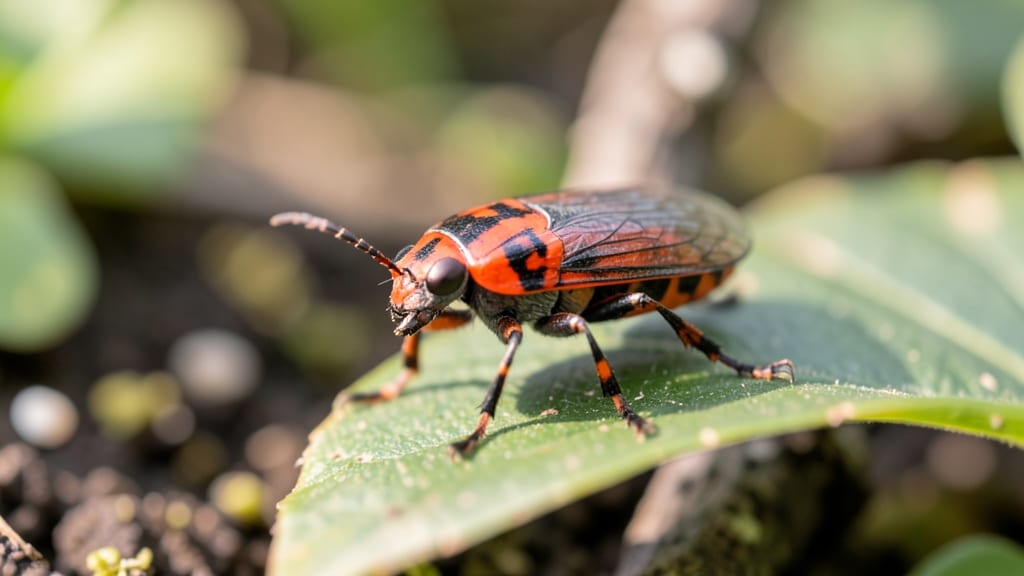
Skimming through my collection of garden bug photos, I’ve learned that identifying pests instantly saves you from wasting time on the wrong fixes—plus, you’ll spare the allies under your plants. 🌿 This guide cuts through the confusion with clear photos and quick facts so you can spot pests like aphids or Japanese beetles and know exactly what to do.
The key is learning which bugs are troublemakers and which are your garden’s secret protectors. Ladybugs and lacewings? Keep them around—they devour pests. Caterpillars munching leaves? Time to act. You’ll also see how their sizes, colors, and behaviors give them away, so you can act fast without guesswork.
By the end, you’ll recognize common visitors in seconds and know whether to intervene or celebrate. No more second-guessing what’s harmless or harmful—just confident decisions that keep your garden thriving. Ready to become the bug detective your plants deserve?
Works for vegetable gardens, flower beds, and even houseplants. Here’s how to turn those tiny visitors into your garden’s greatest asset—or least favorite pest—without the guesswork.
Natural Triggers Behind Bug Visits
Your garden isn’t just a patch of dirt and plants—it’s a bustling ecosystem where bugs are drawn by a mix of environmental cues, food sources, and even your landscaping choices.
Understanding why these critters show up in your garden bug photos helps you take smarter, targeted action. Let’s break down the science behind their uninvited visits.
Bugs don’t wander into your garden out of curiosity—they’re following their stomachs. Different pests target specific plants, and even healthy gardens can become all-you-can-eat zones for hungry insects.
- 🍃 Plant Preferences Matter Some bugs have a menu. For example:
- Aphids love tender new growth on roses, beans, and squash.
- Japanese beetles feast on over 300 plant species, but they crave grapes, roses, and linden trees.
- Slugs and snails prefer moist, leafy greens like lettuce, hostas, and impatiens.
- 🍄 Fungal and Bacterial Feasts Not all bugs eat plants—some, like fungus gnats, are drawn to decaying organic matter or overwatered soil. Others, such as whiteflies, thrive on honeydew (a sticky byproduct of sap-sucking insects), which attracts ants and sooty mold.
- 🍯 Sugary Secrets Ants, wasps, and some beetles are lured by nectar, fallen fruit, or even your sweet treats left outside. A spilled soda or overripe berries can turn your patio into a bug buffet.
Bugs are sensitive to temperature, humidity, and seasonal shifts. Your garden’s microclimate might be an insect paradise without you realizing it.
- 🔥 Heat and Dryness Drought-stressed plants produce more sugars to survive, making them sweeter—and more appealing—to pests like spider mites and mealybugs. Dry soil also attracts cutworms, which burrow to escape the heat.
- ☔ Moisture Magnet High humidity and standing water create ideal conditions for:
- Fungus gnats (they lay eggs in damp soil).
- Slugs and snails (they need moisture to survive).
- Mosquitoes (they breed in stagnant water).
- 🌬️ Wind and Shelter Some bugs, like leafhoppers, use wind patterns to find new hosts. Others, such as stink bugs, seek out dense foliage for protection. A windbreak hedge might be inviting more pests than you think!
Sometimes, the reason bugs are in your garden bug photos is because you made it too easy for them. Even well-intentioned gardening practices can backfire.
- 💧 Overwatering and Mulch Overload
- Excess moisture from overwatering or poor drainage creates the perfect nursery for fungal diseases and soil-dwelling pests like wireworms.
- Thick mulch layers can trap moisture and attract slugs, earwigs, and even rodents.
- 🌿 Planting the Wrong Neighbors Some plants attract pests that then attack your prized crops. For example:
- Planting marigolds near tomatoes can deter some pests, but dill or fennel near carrots may attract carrot rust flies.
- Weeds like lamb’s quarters can harbor aphids, which then spread to your vegetables.
- 🧹 Ignoring Cleanup
- Leaving fallen leaves, fruit, or debris gives pests shelter and food. A single apple core can attract fruit flies for weeks.
- Not pruning dead branches creates hiding spots for stink bugs, earwigs, and even spiders.
Bugs don’t act alone—they’re part of a larger food web. Sometimes, your efforts to control one pest can accidentally create conditions for another.
- 🐞 Beneficial Bug Disruption
- Spraying broad-spectrum pesticides kills both pests and their natural predators (like ladybugs, lacewings, and parasitic wasps), leading to secondary pest outbreaks.
- Example: Killing off aphids’ predators can cause an explosion in aphid populations, which then attract ants (for honeydew) and sooty mold.
- 🌿 Monoculture Gardens Planting large blocks of a single crop (like a vegetable garden full of only tomatoes) makes it easier for pests to find and devastate your plants. Diversity confuses them!
- 🌍 Climate Change Shifts Warmer winters and longer growing seasons mean invasive species (like emerald ash borers or spotted lanternflies) are spreading faster. These bugs often lack natural predators in new areas, leading to rapid infestations.
Now that you know why bugs are crashing your garden party, you can flip the script. The next section will show you how to identify these uninvited guests using your garden bug photos—and what to do about them!
Practical Fixes for Garden Pests
Spotting unwanted critters in your garden can be frustrating, but with the right strategies, you can reclaim your green space—without harsh chemicals. Below, we’ve mapped out targeted solutions for common garden pests, from quick fixes to long-term prevention.
Think of this as your pest-control playbook, tailored to each troublemaker’s habits.
Cause: These sap-sucking insects cluster on tender new growth, leaving behind sticky honeydew that attracts mold and ants. Fix:
- Blast them away 💦: Use a strong stream of water from your hose to knock them off plants. Repeat every few days for heavy infestations.
- Introduce predators 🦋: Ladybugs, lacewings, and parasitic wasps love aphids. Buy or attract them by planting dill, fennel, or yarrow nearby.
- Neem oil spray 🌿: Mix 1 tbsp neem oil + 1 tsp mild soap in 1 quart of water. Spray directly on pests (avoid blooming plants to protect bees).
Prevention Tips: ✔ Encourage diversity – Plant marigolds, basil, or garlic to repel aphids naturally. ✔ Inspect new plants – Quarantine freshly bought greenery for a week to catch hitchhikers early. ✔ Prune regularly – Remove crowded or damaged foliage to reduce hiding spots.
Cause: These slimy invaders leave irregular holes in leaves and flowers, especially after rain or at night. Fix:
- Beer traps 🍺: Bury a shallow container (like a yogurt cup) filled with beer. The slugs crawl in and drown—poetic justice.
- Copper barriers ⚡: Slugs hate the electric-like shock of copper. Bend strips around raised beds or pots.
- Diatomaceous earth 🌊: Sprinkle food-grade DE around plants. It’s non-toxic but deadly to slugs’ soft bodies (reapply after rain).
Prevention Tips: 💡 Go nocturnal – Set out shallow dishes of beer or grapefruit halves as bait (check traps daily). 🌡️ Mulch smartly – Use coarse materials like pine needles or gravel instead of dense organic mulch, which slugs love to hide in. 🎯 Handpick at dawn – Shake plants over a bucket of soapy water to drown them (wear gloves—eww!).
Cause: These metallic green beetles devour flowers, leaves, and even fruit in days. They’re aggressive and multiply fast. Fix:
- Handpick & drown 🤲: Drop beetles into soapy water (they’re easy to spot—their bright colors stand out).
- Milky spore treatment 🌱: Apply Bacillus popilliae (a natural bacteria) to soil—it targets beetle grubs before they emerge.
- Neem oil or kaolin clay 🏋️: Spray plants with neem oil or mix kaolin clay with water to create a barrier they avoid.
Prevention Tips: ✨ Plant traps – Sacrifice a row of roses or grapes nearby to lure them away from your prized plants. 🔥 Remove grubs – Dig up lawns in late summer to break their life cycle (wear gloves—grubs are gross). 🌿 Avoid peak hours – Water plants in the morning so foliage dries quickly, making it harder for beetles to lay eggs.
Cause: These microscopic pests thrive in dry, dusty conditions and suck plant juices, causing stippled leaves and webbing. Fix:
- Blast with water 💦: A strong spray disrupts their webs and washes them away (do this in the morning).
- Horticultural oil 🛢️: Apply oil-based sprays (like neem or dormant oil) to smother them—reapply every 5–7 days.
- Release predatory mites 🕷️: Buy Phytoseiulus persimilis (a mite-eating mite) from garden centers.
Prevention Tips: 💡 Boost humidity – Use a sprinkler or pebble tray under pots to deter mites (they hate moisture). 🌡️ Clean up debris – Remove fallen leaves and webbing to starve them of hiding spots. 🎯 Test leaves – Hold a white sheet under a plant and shake it—if you see tiny red dots, mites are present.
Cause: Ants “farm” aphids and other pests, protecting them in exchange for honeydew—but they also raid fruit and veggies. Fix: - Borrowing powder 🏠: Sprinkle diatomaceous earth or borax-based ant bait around entry points (keep away from pets/kids). - Cinnamon barrier 🌿: Ants hate cinnamon.
Create a line around plants or entryways with ground cinnamon. - Vinegar spray 🍶: Mix equal parts water and white vinegar, spray directly on trails (reapply after rain).
Prevention Tips: ✔ Seal entry points – Check for cracks in pots, mulch, or woodpiles where they nest. ✔ Store food securely – Use sealed containers for compost and ripe fruit. ✔ Disrupt trails – Wipe down ant paths with soapy water to throw them off the scent.
- Rotate crops 🔄: Prevents soil-borne pests from building up in one spot.
- Interplant flowers 🌸: Marigolds, nasturtiums, and alyssum confuse pests with their scents.
- Healthy soil = strong plants 🌱: Amend soil with compost to boost plant resilience.
Remember: The key to pest control is observation + action. Check your garden weekly, and address issues before they spiral. With these fixes, your garden will stay lush—and pest-free—without resorting to toxic sprays. Happy gardening! 🌿🛡️
Frequently asked questions about garden bug identification
How can I tell the difference between harmful and helpful bugs just by looking at photos?
Look for key features: harmful bugs often have piercing mouthparts (like aphids or whiteflies) or chew leaves aggressively (like Japanese beetles). Helpful bugs like ladybugs or lacewings have delicate, predatory features—look for spots or striped patterns. Use our guide’s color-coded labels (red for pests, green for allies) to spot them instantly.
What’s the best time of day to take clear garden bug photos for identification?
Morning light (between 8-10 AM) works best—bugs are active, shadows are minimal, and colors appear true. Avoid midday sun, which creates harsh glare. Use a white sheet as a backdrop to make bugs stand out against greenery.
Can I use my smartphone to take useful garden bug photos for ID?
Most modern phones (with 10MP+ cameras) capture enough detail. Zoom in to 2x magnification to show key features like antennae length or wing patterns. For tricky IDs, include a coin or ruler in the frame to show size—this helps experts scale the bug accurately.
Why do some bugs in my photos look blurry even though I zoomed in?
Bugs move fast! Use a tripod or stack of books to stabilize your phone, and tap the screen to focus on their eyes or antennae (their most distinctive parts). For extra clarity, take short video clips and extract still frames—movement often reveals hidden details.
Are there bugs that look identical but are either helpful or harmful?
Yes! For example, green lacewings (helpful predators) and green June beetles (harmful leaf-chewers) both have green bodies. Check for wing patterns (lacewings have delicate, veined wings) or body shape (June beetles are stockier). Our guide includes side-by-side comparisons for tricky lookalikes.