Picking
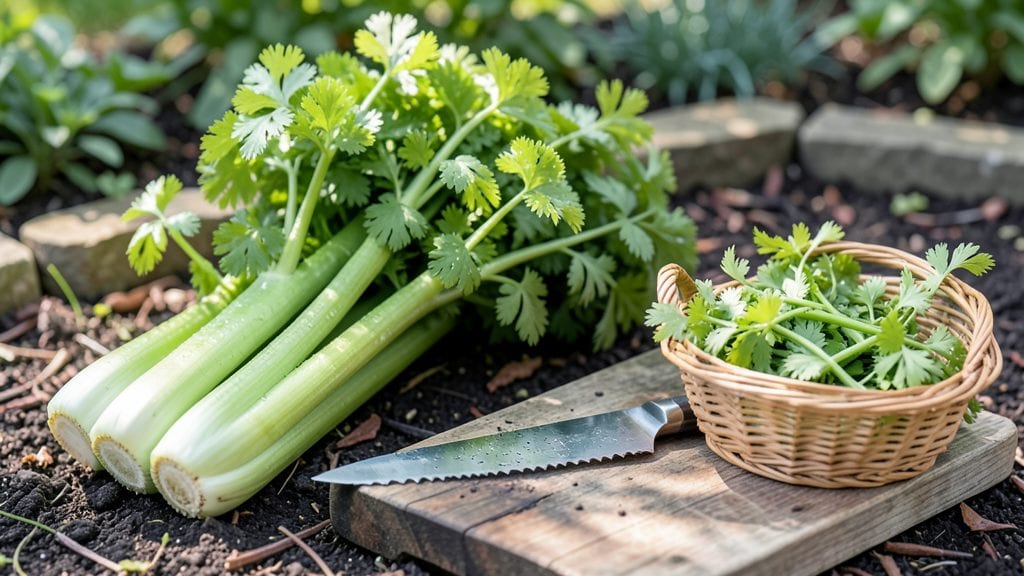
Harvesting garden celery at the right time turns your 🥬 patch into a crisp, flavorful treasure chest—skip the window, and you’ll end up with tough, bitter stalks that taste more like disappointment than dinner.
Picture this: you’ve nurtured your celery for months, keeping the soil moist and the leaves vibrant, only to cut into a stalk that’s woody and unappetizing. That’s the difference between perfect timing and wasted effort.
The secret lies in watching for thick, dark-green stalks and knowing exactly when to snip for that signature crunch.
Most varieties reach harvest readiness around 120 days after planting, but the real test is stalk thickness—aim for 1-inch diameter or thicker. Too early, and the flavor falls flat; too late, and the bitterness kicks in.
I’ll walk you through the visual cues, the best tools to use, and how to keep your plants producing for weeks after the first cut.
By the end, you’ll know not just when to harvest your celery, but how to do it so your garden keeps giving—no store-bought stalks required.


When to harvest garden celery: the perfect timing guide
Harvesting garden celery at the right moment transforms your homegrown crop from bland to crisp, flavorful perfection. Unlike store-bought stalks, freshly picked celery retains its tender texture and vibrant flavor—if you know when to cut.
The key lies in watching for three critical signs: stalk thickness, leaf color, and crispness. Ignore these cues, and you risk tough, bitter stalks that even your favorite recipes can't save.
Most celery varieties take between 90-150 days to reach harvest, but timing varies by type. Bunching celery (like 'Utah' or 'Golden Self-Blanching') matures faster, often in 90-120 days, while stalk celery (such as 'Tall Utah' or 'Prism') needs 120-150 days.
Season also plays a role—spring-planted crops may mature earlier than fall varieties, especially in cooler climates. Paying attention to these maturity windows ensures you don’t miss the sweet spot.
Variety Type
Days to Maturity
Stalk Thickness
Leaf Color
Best Harvest Season
Bunching Celery
90-120 days
1-1.5 inches
Dark green
Spring/Fall
Stalk Celery
120-150 days
1.5-2 inches
Deep green
Summer/Fall
Self-Blanching
100-130 days
1-1.25 inches
Light green
Spring/Fall
To test for ideal crispness, grip a stalk firmly and bend it slightly. If it snaps cleanly (not breaks or bends too easily), it’s ready to harvest. A woody sound means it’s overripe, while a flexible stalk needs more time.
Pro tip: Harvest in the morning when moisture levels are highest, ensuring your celery stays crisp longer. This simple test saves you from the disappointment of tough, stringy stalks.
Another foolproof method is the leaf color check. Healthy celery leaves should be a vibrant dark green, almost glossy. If they’re turning yellow or brown, your plant is stressed—likely from underwatering or nutrient deficiency.
Pale leaves also signal it’s not ready for harvest. For self-blanching varieties, the outer leaves may appear lighter, but the inner stalks should still be crisp and firm.
Seasonal adjustments are crucial, especially in hot climates. Celery grown in summer heat may mature faster but can develop bitter flavors if stressed. In these cases, harvest earlier (around 100-110 days) and prioritize shade cloth to protect your plants.
Conversely, in cooler climates, extend your harvest window slightly—celery thrives in 60-70°F temperatures, so don’t rush if your stalks are still firm and green.
One common mistake is harvesting too late, which leads to bitter, fibrous stalks. Celery stores sugars in its stalks, and once it starts converting them to bitter compounds, there’s no going back. If you’re unsure, harvest a few stalks from the outer edges of the plant first.
This lets you test the flavor without committing to a full harvest. If they’re tender and sweet, proceed with confidence.
For maximum regrowth, avoid cutting more than one-third of the stalks at once. Celery is a cut-and-come-again crop, meaning you can encourage multiple harvests by leaving the inner stalks intact. After your first harvest, trim the stalks to 6 inches tall and keep the soil consistently moist.
With proper care, you may get 2-3 smaller harvests from a single plant, extending your celery supply well into the season.
If you’re growing celery in containers, timing is even more critical. Potted celery matures slightly faster due to limited root space, so monitor it closely. Container-grown celery also dries out quicker, so water daily during hot spells.
When harvesting, use clean, sharp scissors to avoid damaging the remaining stalks. This precision helps maintain the plant’s health and ensures future harvests are just as successful.
Don’t overlook the soil conditions before harvesting. Well-draining, rich soil with plenty of organic matter produces the crispiest stalks. If your cel
How to cut celery stems for maximum yield and regrowth
Harvesting celery correctly is an art that balances immediate yield with future regrowth. Unlike many vegetables, celery can regrow after cutting—if you follow the right steps. The key lies in where and how you cut, along with timing to avoid stressing the plant.
I’ve learned the hard way that a single wrong snip can turn your celery into a bitter, woody mess instead of crisp perfection.
Start by selecting the thickest, most mature stalks first—these are ready for harvest when they reach 10-12 inches tall and have a diameter of 1+ inches. Avoid cutting stalks that are still thin or pale, as these won’t regrow well.
Use a sharp knife or pruning shears to make clean cuts, which prevent disease and encourage faster healing.
⚠️
Cutting below the soil line risks damaging the root system, while cutting too high leaves stubs that rot. Aim for a 45-degree angle, 1-2 inches above the soil, to balance regrowth and plant health. Never cut more than 1/3 of the plant at once—this stresses celery and reduces future yields.
Use a clean, sterilized tool every time to prevent bacterial or fungal infections. I recommend alcohol-wiping your knife or shears between cuts, especially in humid conditions. After cutting, leave the outer leaves intact—they protect the regrowing stalks and shade the soil to retain moisture.
This simple step can mean the difference between a second harvest and a failed regrowth attempt.
Timing matters just as much as technique. Harvest in the morning after dew dries to ensure stalks are crisp and less prone to wilting. Avoid harvesting during hot afternoons or rainy days, as stress from temperature swings or waterlogged soil can stunt regrowth.
If your celery is in full sun, prioritize early-morning harvests to preserve moisture.
After cutting, water deeply and apply a light mulch around the base to retain soil moisture. I’ve found that adding a 1-inch layer of straw helps prevent soil crusting, which can suffocate new growth.
Within 2-3 weeks, you should see new shoots emerging from the center—this means your celery is recovering well and ready for another round of harvests.
One common mistake I see is over-harvesting in a single session. Celery is resilient, but pushing it too hard leads to stunted regrowth or even death.
Space out harvests by 2-3 weeks between cuts, and always leave at least 3-4 healthy stalks per plant to ensure the root system can support new growth. With patience and precision, you’ll enjoy multiple harvests from a single plant all season long.