Planting
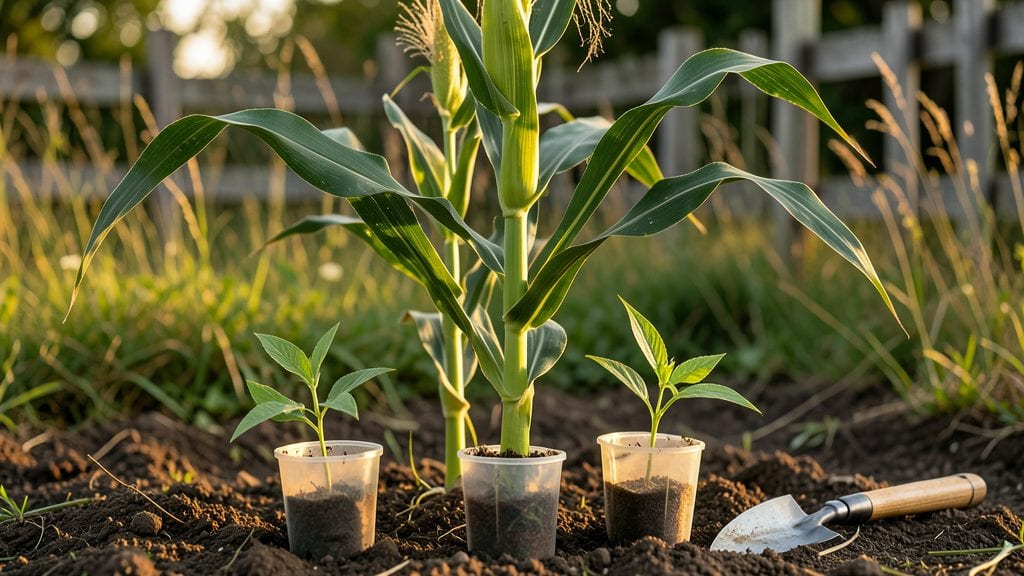
Planting garden corn with the right spacing transforms a patchy harvest into a towering, productive jungle of stalks. ✨ I learned the hard way—my first year, I crammed plants too close, and the ears stayed small and stunted.
The secret lies in giving each plant enough elbow room for strong stalks and plump kernels.
Sweet corn needs 12–18 inches apart in rows spaced 24–36 inches apart, while field corn can stretch to 30 inches between plants. The wider you space, the more sunlight and airflow each plant gets, which means fewer diseases and bigger ears.
A simple trick: plant in blocks, not rows, to improve pollination and yield.
You’ll end up with 12–16 inches of ear per stalk—thick, juicy, and ready for the cob. The stalks stay sturdy, the silk dries faster, and you avoid the heartbreak of tiny, underdeveloped ears. Proper spacing turns a handful of plants into a bounty that rivals the grocery store.
Works for both backyard gardens and larger plots, and the same rules apply whether you’re growing sweet, popcorn, or field corn varieties. Let’s get those seeds in the ground the right way!
📚 In This Guide
- What you need
- Instructions
- Tips and common mistakes
- Wrapping up and next steps
What you need
- ● Garden corn seeds: Choose a variety suited to your climate (e.g., Sweet Golden Bantam or Silver Queen). Quantity: 1–2 pounds per 100 feet of row (adjust based on spacing needs).
- ● Well-draining soil: Test for pH (ideal range: 6.0–6.8). Amend with compost if needed.
- ● Organic fertilizer: High in nitrogen (e.g., 10-10-10 or 5-10-10) for lush growth. Apply 1–2 cups per 10 feet of row before planting.
- ○ Mulch (optional but recommended): Straw or grass clippings to retain moisture and suppress weeds.
- ● Garden trowel or transplanting tool: For digging small holes (depth: 1–1.5 inches).
- ● Measuring tape or string: To mark rows and spacing (aim for 8–12 inches apart in rows 2–3 feet apart).
- ● Garden hose with adjustable nozzle: For gentle watering (avoid soaking seeds).
- ○ Gloves (optional): To protect hands from soil and seed coatings.
- ● Row marker or stakes: To label varieties and track planting dates.
- ● Weather check: Plant after the last frost when soil temps reach 60°F+.
- ● Sunlight: Ensure a full-sun location (6+ hours/day).
- ● Water source: Consistent moisture (especially during pollination).
Step-by-Step instructions for planting corn with perfect spacing
Here's how to space corn for strong stalks and maximum ears—no guesswork, just proven results.
🌱 Step 1: Prepare the Planting Bed
Corn thrives in warm, well-drained soil with plenty of nutrients. Work the soil to a depth of 6-8 inches, breaking up any clumps so roots can penetrate easily. I like to add a 2-inch layer of compost to the top 12 inches of soil before planting—this gives roots the organic matter they need to support those heavy ears.
Corn also loves a little phosphorus boost for strong root development. Mix in 1 tablespoon of bone meal per 4-foot row at planting time. Avoid fresh manure, which can burn tender roots. The soil should feel crumbly and slightly moist—like a damp sponge—before you plant.
🌱 Step 2: Plant Seeds at the Right Depth and Spacing
For 4 rows of corn, plant seeds 1 inch deep and 4 inches apart in each hill. I use a corn planter (or a simple dibble stick) to create holes at 36-inch intervals between hills—this gives each plant enough room to develop a strong stalk without competing for sunlight or nutrients.
Drop 2-3 seeds per hill since germination rates aren’t perfect. Cover lightly with soil and tap gently to settle. Water immediately after planting to help seeds make contact with the soil. If planting in warmer climates, use a shade cloth for the first week to keep seeds from drying out.
⏰ Step 3: Thin Seedlings for Stronger Stalks
Once seedlings reach 4-6 inches tall (about 2-3 weeks after planting), thin to 1 plant per hill. Use small scissors or your fingers to snip the weakest seedling at soil level—pulling can disturb the roots of remaining plants. Leave the strongest, most upright seedling in each hill.
Thinning might seem cruel, but it’s the key to bushy stalks and heavy ears. Crowded plants grow tall and spindly, competing for light and nutrients. After thinning, water deeply to help roots recover. You’ll see a noticeable difference in plant vigor within 5-7 days.
☀️ Step 4: Maintain Proper Spacing as Plants Grow
As corn grows, watch for leaf overlap between plants. If leaves start touching at mid-height, you’ll need to space rows 3 feet apart or thin further. I often space rows 30-36 inches apart for easier harvesting and better air circulation, which reduces disease risk.
Corn needs full sun (6+ hours daily) and 1-1.5 inches of water per week. Water at the base, avoiding leaves to prevent fungal diseases like rust. Mulch with 2-3 inches of straw to retain moisture and suppress weeds. You’ll know your spacing is working when plants stand upright with strong stalks and multiple tassels forming at the top.
Tips & tricks for perfect garden corn spacing
A few simple tricks will help you avoid common mistakes and maximize your corn harvest this season.
Soil Preparation Insight: The 6-8 inch soil depth you work in Step 1 is crucial for root development, but don't overlook the importance of soil temperature. Corn seeds need soil that's at least 55°F to germinate properly. If your spring is cool, consider using black plastic mulch to warm the soil faster—it can add 5-10°F to soil temperature and speed up germination by a week or more.
Planting Equipment Hack: While a corn planter is ideal for creating those 36-inch intervals between hills, you can achieve the same results with a simple DIY tool. Use a 4-foot wooden dowel with marks at every 3 feet to measure spacing between rows. For hills, make small notches at 4-inch intervals along the dowel—this gives you a portable spacing guide you can use anywhere in your garden.
Thinning Technique: When thinning seedlings in Step 3, I've found that timing is everything. Wait until seedlings reach 4-6 inches tall but don't delay beyond 3 weeks after planting. At this stage, roots are established enough to handle thinning without shock, but not so large that they'll compete aggressively with remaining plants. Use sharp scissors to cut seedlings at soil level—this prevents disturbing the roots of your kept plants.
Growth Monitoring: The 5-7 day window mentioned for seeing results after thinning is your cue to watch closely. If you notice leaves starting to touch at mid-height before 6 weeks of growth, it's time to thin further. Look for plants with the most robust stalks and multiple side shoots—these are your winners. The extra space will pay off with heavier ears and less disease pressure.
Pro Tips for Garden Corn Spacing
- A few simple tricks will help you avoid common mistakes and maximize your corn harvest this season.
- Soil Preparation Insight: The 6-8 inch soil depth you work in Step 1 is crucial for root development, but don't overlook the importance of soil temperature.
- Planting Equipment Hack: While a corn planter is ideal for creating those 36-inch intervals between hills, you can achieve the same results with a simple DIY tool.
Frequently asked questions
Got questions about garden corn spacing?
You’re not alone! Here are answers to the most common concerns—so you can plant with confidence and maximize your harvest.
What’s the ideal spacing for garden corn?
For sweet corn, plant seeds 1 inch deep and 4–6 inches apart in rows spaced 24–36 inches apart. This gives roots room to spread and stalks enough airflow to prevent disease. For field corn (dent/cornmeal types), widen spacing to 6–8 inches between plants and 36–48 inches between rows—they’re taller and need more elbow room!
Can I plant corn too close together?
Overcrowded corn competes for nutrients, water, and sunlight, leading to smaller ears, weak stalks, and higher disease risk. If you’ve already planted too close, thin seedlings to the recommended spacing once they’re 4–6 inches tall. Pro tip: Pull weeds first—they’ll steal resources too!
When is the best time to thin corn seedlings?
Thin corn 2–3 weeks after germination (when seedlings have 2–3 true leaves). Wait too long, and you’ll risk damaging roots or spreading disease. Use sharp scissors or your fingers to snip at soil level—never pull, which can uproot nearby plants. Early thinning = happier, stronger stalks!
What if I don’t have enough space for proper spacing?
No problem! Try these space-saving tricks:
- Vertical trellising: Use bamboo stakes or netting to train bushy varieties (like ‘Golden Bantam’) upward—saves 30–50% space!
- Succession planting: Sow corn in 2–3 batches 1–2 weeks apart instead of one big row.
- Interplant: Pair corn with shallow-rooted crops like beans or lettuce in the same row (beans fix nitrogen!).
Just avoid planting near tomatoes or cabbage—they compete aggressively.
Why are my corn plants leaning or falling over?
Leaning or “lodging” corn usually means overcrowding, poor soil, or weak stalks. Check these fixes:
- Ensure proper spacing (see Q1) and thin if needed.
- Add 1–2 inches of compost before planting for stability.
- Use stakes or cages for tall varieties (like ‘Silver Queen’).
- Watch for blight or root rot—remove affected plants and improve drainage.
With the right support, your stalks will stand tall and proud!
Wrapping up and next steps
Perfecting your garden corn spacing is the secret to lush, productive plants and a bountiful harvest! 🌽 By following the right guidelines—whether for single-row, twin-row, or block planting—you’ll maximize sunlight, airflow, and root growth, ensuring strong stalks and plump ears.
Now that you’re armed with the know-how, it’s time to roll up your sleeves and plant with confidence.
Ready to take the next step? Sketch your garden layout today, mark your rows with stakes, and get those seeds in the ground. Happy planting—your future harvest will thank you! 🌱