Planting
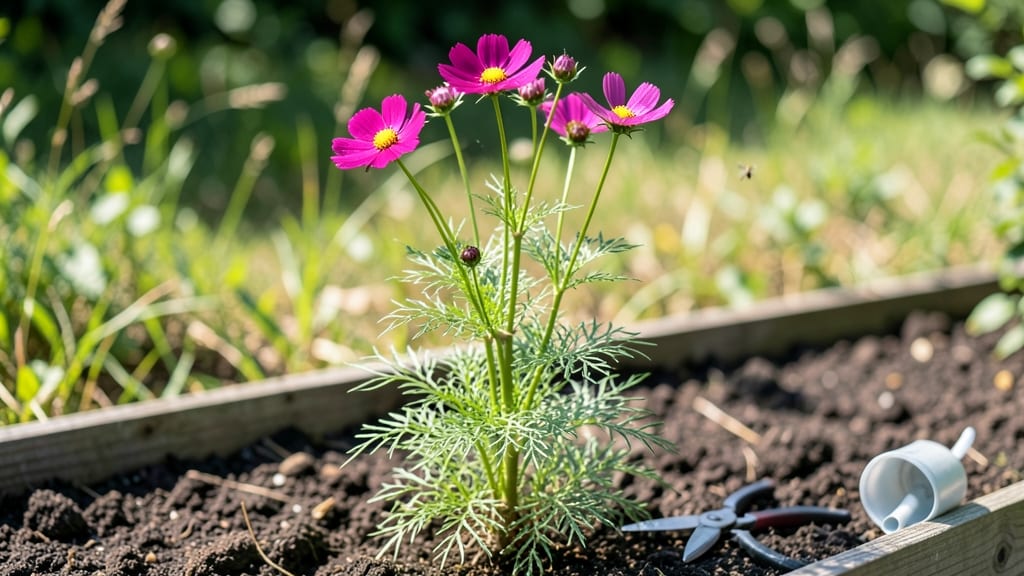
Growing garden cosmos plants is like inviting a parade of butterflies and bees into your yard—once you get past the "will they even grow?" moment. 🌻 Honestly, I planted my first batch last summer and worried they’d bolt too fast, but they thrived with almost no fuss.
The secret lies in their love for sun and loose soil, not some complicated care routine.
The right conditions turn cosmos into the workhorse of your garden: they self-seed like crazy, tolerate heat and drought once established, and bloom from midsummer straight through frost. You’ll need full sun (at least 6 hours daily), well-draining soil, and minimal fertilizer—these plants reward laziness with their hardiness.
Most varieties reach 2-4 feet tall, so give them space or they’ll sprawl into neighboring plants.
By mid-July, you’ll see those iconic daisy-like blooms in shades of pink, white, or deep red, each one a magnet for pollinators. The foliage stays lush and green even in August heat, and the plants keep producing flowers until the first hard freeze.
Once they’re established, they’re practically maintenance-free—just deadhead spent blooms to encourage more flowers.
Here’s the best part: cosmos are perfect for cutting gardens, wildflower meadows, or even container pots. They’ll grow in almost any soil type, from sandy to clay, as long as it drains well.
The only real challenge is keeping them from spreading everywhere—though if you like free flowers, that’s not exactly a problem. Let’s get those seeds in the ground!
📚 In This Guide
- What you need
- Instructions
- Tips and common mistakes
- Wrapping up and next steps
What you need
- ● Garden cosmos seeds – Choose heirloom or hybrid varieties (e.g., Cosmos bipinnatus or Cosmos sulphureus). Buy 10–20 seeds for a small patch or 50+ for a full border.
- ● Well-draining potting mix – 1–2 gallons for indoor starts or 5–10 cubic feet for outdoor beds.
- ○ Planting containers (optional) – 3–4" pots for seedlings or 1-gallon containers for direct sowing.
- ● Garden soil (for outdoor planting) – Amend with compost (1 part compost to 3 parts soil) for fertility.
- ● Trowel – For transplanting seedlings or sowing seeds.
- ● Gloves – To protect hands while handling soil or seeds.
- ● Watering can or hose with a gentle nozzle – Cosmos hate soggy roots!
- ● Spray bottle (for indoor starts) – Keeps seeds moist without overwatering.
- ○ Stakes or cages (optional) – Tall varieties (4–5 ft) may need support.
- ● Sunlight – Full sun (6+ hours daily) for best blooms.
- ● Warm soil – Wait until nighttime temps stay above 50°F (10°C) to plant outdoors.
- ● Pollinator-friendly zone – Cosmos thrive in USDA zones 3–11.
Step-by-step instructions for planting and cultivating garden cosmos
Here's how to grow these cheerful pollinator magnets from seed to full bloom.
🌱 Step 1: Choose the Right Location and Prepare the Soil
Garden cosmos thrive in full sun—pick a spot that gets at least 6-8 hours of direct sunlight daily. They tolerate poor soil, but amending with compost improves vigor. Loosen the top 6 inches of soil with a garden fork to help roots establish easily.
Cosmos seeds germinate best in warm soil (60-70°F). If planting early, cover the bed with black plastic for 2-3 weeks before sowing to warm the soil naturally. This simple trick speeds up germination and gives you earlier blooms.
🌱 Step 2: Direct Sow Seeds at Proper Depth and Spacing
Sow seeds ¼ inch deep and 12-18 inches apart in rows 18-24 inches apart. I like to plant them in small groups of 3-5 seeds every 12 inches for a natural, wildflower look. Thin seedlings to the strongest plant per spot when they reach 2 inches tall.
Don't cover seeds too heavily—they need light to germinate. A light sprinkle of soil is all you need. Water gently after planting to settle the soil around the seeds. You'll see sprouts in 7-14 days, depending on soil warmth.
☀️ Step 3: Provide Consistent Water and Support Growth
Keep soil evenly moist but not soggy during germination. Once seedlings emerge, reduce watering to 1 inch per week. Cosmos are drought-tolerant once established, but consistent moisture produces stronger stems and bigger blooms.
Fertilizer isn't necessary, but a light application of balanced 10-10-10 at planting and again when plants reach 6 inches tall encourages lush growth. Watch for leggy stems—this means they need more light or thinning.
✂️ Step 4: Deadhead and Maintain for Continuous Blooms
Pinch back the first set of flowers to encourage bushier growth. Once blooms appear, deadhead spent flowers by snipping stems just above a set of leaves. This simple step keeps cosmos producing blooms all season long.
If stems get too tall or flop over, stake individual plants or plant cosmos near taller perennials for natural support. The more you maintain them, the more they reward you with vibrant color and pollinator activity.
🌿 Step 5: Prepare for Winter and Next Season
Cosmos are annuals, so they'll die back with frost. Cut stems down to 2 inches tall in fall and compost the debris. The following spring, simply resow seeds—they self-seed readily, often popping up where you didn't even plant them.
For a guaranteed show, mark your planting spots or save seeds from your best plants. The more you grow cosmos, the more they'll naturalize in your garden, creating a permanent pollinator haven with minimal effort.
Tips & tricks for perfect garden cosmos planting
These simple tricks will help you grow vibrant cosmos that thrive and attract pollinators all season long.
Soil Warmth is Key: The 60-70°F soil temperature range is crucial for germination. If your spring is chilly, try using clear plastic mulch instead of black—it lets light through while warming the soil. I've seen germination improve by 3-5 days with this method. Place the plastic 2-3 weeks before planting to give the soil a head start.
Seed Spacing Secrets: Those 12-18 inch spacings might seem generous, but they're perfect for cosmos' natural growth habit. If you're short on space, you can reduce to 10-12 inches, but expect slightly more competition between plants. For a wildflower meadow look, try planting in drifts of 5-7 seeds every 18 inches instead of neat rows.
Watering Wisdom: The 1 inch per week watering guideline works best when watered deeply at the base rather than frequent light sprinkles. I use a soaker hose for the first few weeks to keep the soil consistently moist without wetting the leaves, which helps prevent fungal issues. Once established, cosmos are surprisingly drought-tolerant—just don't let them dry out completely during their first growing season.
Deadheading Done Right: When you deadhead those spent blooms in Step 4, look for the first set of leaves below the flower—this is where new growth will emerge. Snipping just above this leaf encourages bushier plants. I've found that removing flowers when they're just starting to fade (rather than waiting for them to brown) results in more continuous blooming throughout the season.
Pro Tips for Garden Cosmos Plant
- These simple tricks will help you grow vibrant cosmos that thrive and attract pollinators all season long.
- Soil Warmth is Key: The 60-70°F soil temperature range is crucial for germination.
- Seed Spacing Secrets: Those 12-18 inch spacings might seem generous, but they're perfect for cosmos' natural growth habit.
Frequently asked questions
Got questions about growing garden cosmos? You’re not alone! Here are some of the most common queries—and their answers—to help you cultivate these vibrant blooms like a pro.
Q: How long does it take for cosmos plants to flower after planting?
Cosmos seeds typically sprout in 7–14 days and bloom in just 6–8 weeks after germination. For faster results, opt for transplants, which may flower in 4–6 weeks. Patience pays off—once established, they’ll reward you with nonstop blooms from summer through fall!
Q: Are cosmos plants good for attracting pollinators like bees and butterflies?
Absolutely!
Cosmos are a pollinator magnet—their bright, daisy-like flowers are irresistible to bees, butterflies, and even hummingbirds. To maximize their appeal, plant cosmos in sunny spots with well-draining soil and avoid heavy pesticides. Bonus: Their long blooming season keeps pollinators visiting all season long!
Q: Do cosmos need deadheading to keep blooming?
Deadheading (removing spent blooms) encourages continuous flowering, but cosmos are low-maintenance and often self-seed prolifically. If you skip deadheading, they’ll still produce flowers—just maybe not as abundantly. For a neater look, snip back faded blooms with clean scissors or pinch them off by hand.
Q: Can I grow cosmos in containers, or do they need a garden bed?
Cosmos thrive in containers! Choose pots at least 12 inches deep with drainage holes to prevent root rot. Use a light, well-draining potting mix and plant 2–3 cosmos per container. They’re perfect for balconies, patios, or even hanging baskets—just ensure they get full sun (6+ hours daily).
Q: Why aren’t my cosmos blooming, even though they have lots of green leaves?
If your cosmos are leafy but bloom-shy, check these fixes:
- Light: Ensure they get full sun (6+ hours/day). Partial shade can stunt flowering.
- Water: Overwatering causes root rot. Let soil dry slightly between waterings.
- Fertilizer: Too much nitrogen = more leaves, fewer blooms. Use a low-nitrogen, high-phosphorus fertilizer instead.
- Age: Young plants may take 6–8 weeks to bloom. Be patient!
Pro Tip: For extra-long blooms, try succession planting—sow new seeds every 2–3 weeks in early spring. This ensures a continuous display from summer to frost!
Wrapping up and next steps
Growing garden cosmos is a rewarding way to add vibrant color, effortless beauty, and pollinator-friendly charm to your outdoor space. These hardy annuals thrive with minimal fuss, offering months of blooms while supporting bees, butterflies, and hummingbirds—making them a true garden superstar.
Whether you’re a seasoned gardener or a beginner, their resilience and striking petals will inspire confidence in your green thumb!
Ready to transform your garden? Start by choosing your favorite cosmos variety, then grab your seeds or seedlings and get planting! Jump back to our step-by-step guide to ensure a showstopping display from spring to frost. Happy gardening! 🌼🐝