Shrubs
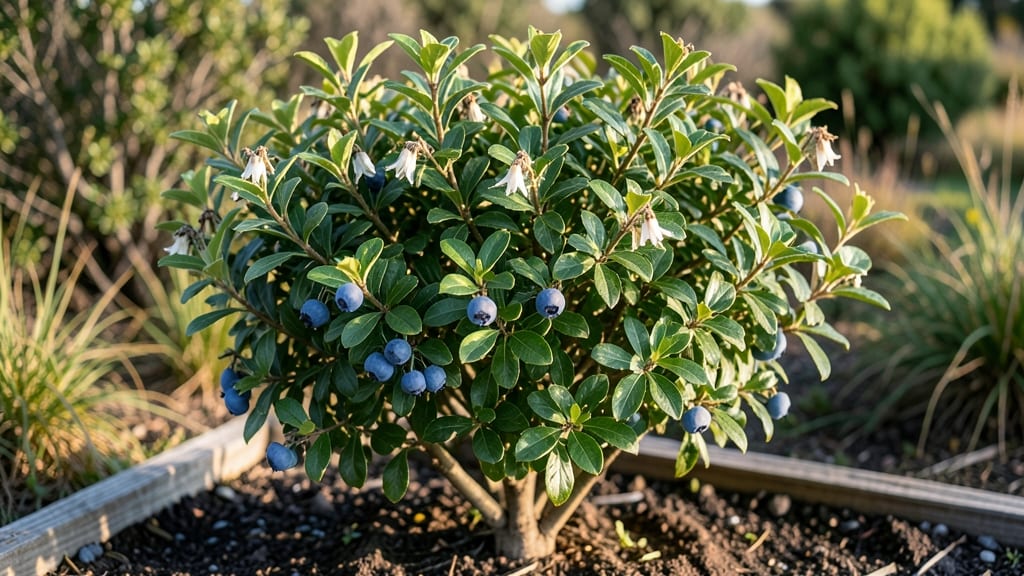
Gardening blueberry bushes in your yard means waking up to jewel-toned berries ripening on the branch—no orchard needed. 🌿 I’ve turned my tiny urban yard into a blueberry powerhouse by choosing compact varieties and tweaking just a few key growing habits.
The secret isn’t fancy equipment; it’s matching the right bush to your space, soil, and climate.
Start with the basics: a 5-gallon pot or well-draining soil with acidic pH (4.5-5.5)—blueberries are picky about their diet. Southern varieties like ‘Premier’ thrive in heat, while northern types like ‘Patriot’ handle frost.
Most people overlook soil prep, but amending with peat moss or pine bark saves you from sour harvests later. Even in small yards, you can fit 2-3 bushes in a sunny corner.
By summer, you’ll be harvesting sweet, plump berries straight from the plant—no grocery store detour needed. The key is consistent moisture (1-1.5 inches per week) and light pruning to keep bushes bushy.
My first year, I nearly gave up when the soil tested wrong, but correcting it turned things around. Now, I get pounds of berries from bushes that fit in a 3x3-foot space.
Works for city balconies, rural homesteads, or anywhere with 6+ hours of sun. Once established, these bushes produce for 15-20 years—making them the ultimate low-maintenance crop. Let’s get those bushes planted right!
📚 In This Guide
- What you need
- Instructions
- Tips and common mistakes
- Wrapping up and next steps
What you need
- ● Blueberry bushes: 2–4 plants (choose southern highbush for warmer climates or northern highbush for cooler zones). Opt for self-pollinating varieties (like 'Duke' or 'Bluecrop') or plant two compatible types for cross-pollination.
- ● Well-draining soil: Blueberries thrive in acidic soil (pH 4.5–5.5). Amend garden soil with peat moss or pine bark fines (1–2 bags per planting area).
- ● Fertilizer: Acid-loving plant fertilizer (e.g., Miracle-Gro Azalea, Camellia & Rhododendron) or cottonseed meal (1 lb per plant annually).
- ● Mulch: Pine needles or wood chips (2–3 inches deep) to retain moisture and acidity.
- ● Watering supplies: Drip irrigation or soaker hose (blueberries need 1–1.5 inches of water weekly). A watering can with a rose attachment works for smaller setups.
- ● Pruning tools: Bypass pruners (for clean cuts)
- ● Loppers (for thicker branches)
- ● Gloves (to protect from thorns)
- ○ Support (optional): Stakes or small trellis for young bushes in windy areas.
- ● Sunlight: 6+ hours of full sun daily (partial shade in hot climates).
- ● Space: 3–5 feet apart (dwarf varieties can be spaced 2–3 feet).
- ● Drainage: Avoid low-lying areas where water pools. Raise beds or amend clay soil with compost.
- ● pH Test Kit: Check soil acidity before planting (available at garden centers for ~$10).
- ● Patience: Blueberries take 2–3 years to bear fruit, but proper care = decades of harvests! 🌿
- ● Use container gardening for patios: 5–7 gallon pots with acidic potting mix.
- ● Add Epsom salt (1 tbsp per plant monthly) for magnesium, which boosts flavor.
- ● Plant near companion plants like thyme or comfrey to deter pests naturally.
Step-by-step guide to planting and maintaining blueberry bushes
Here's how to grow thriving blueberry bushes in even the smallest spaces—no orchard required.
🌱 Step 1: Select the Right Variety and Planting Site
Choose a compact, self-pollinating variety like 'Top Hat' or 'Peach Sorbet' for small yards. Blueberries need acidic soil (pH 4.5-5.5)—test your soil first. If it's too alkaline, amend with sulfur or peat moss before planting. These bushes thrive in full sun (6+ hours daily) but tolerate partial shade in hot climates.
Dig a hole twice as wide as the root ball but no deeper. Plant in early spring when soil is workable but frost isn't imminent. Space bushes 4-5 feet apart—closer spacing works for dwarf varieties. Mix the provided 3 gallons of acidic potting mix with the native soil in the hole to ensure proper drainage and nutrient availability.
💧 Step 2: Water Deeply and Mulch for Moisture Retention
Water immediately after planting to settle the soil around roots. Keep the soil consistently moist (not soggy) for the first 4-6 weeks—blueberries hate drought stress. Use the 1 gallon of slow-release fertilizer mixed with water to give roots a nutrient boost at planting. Water at the base, avoiding leaves to prevent fungal diseases.
Apply 3 inches of pine bark mulch around the base, keeping it 6 inches away from the stem. This mimics their natural forest floor habitat while suppressing weeds. Replenish mulch annually—it breaks down quickly and loses effectiveness. You'll know moisture is right when the top 1-2 inches of soil feel damp but not wet to the touch.
☀️ Step 3: Prune for Shape and Airflow in Early Spring
Prune before buds swell in late winter/early spring to remove dead, crossing, or weak branches. Use sterilized pruners to make clean cuts just above a bud or branch junction. Aim for an open center that lets sunlight and air circulate—this prevents fungal diseases. For dwarf varieties, limit pruning to 1/3 of the plant's height to maintain compact size.
Watch for new growth in 3-4 weeks after pruning. Healthy branches will show bright green leaves and reddish-brown flower buds in spring. If you see yellowing leaves, it may signal iron deficiency—apply chelated iron as needed. Avoid heavy pruning in fall, as it stimulates new growth that won't harden off before winter.
✂️ Step 4: Harvest and Maintain Through the Seasons
Harvest when berries are deep blue and pull away easily from the stem—usually mid to late summer, depending on your climate. Pick in the morning after dew dries to preserve flavor. Use the harvest basket to avoid bruising. You'll get 4-5 pounds of berries per bush at maturity if cared for properly. Leave some berries on the bush to attract pollinators and birds.
After harvest, fertilize lightly with half the recommended dose of the remaining 1 gallon of fertilizer to prepare for next year's growth. In fall, add 1 more inch of mulch to insulate roots from freezing. Water deeply once a month during dry spells in winter to prevent root desiccation. You'll know your bushes are happy when they produce new canes (growth) each year—this is how they fruit.
Tips & tricks for perfect blueberry bushes gardening
Between us, these little details make the difference between a struggling blueberry bush and one that produces buckets of berries year after year.
Soil Test First: Don't skip the pH test! Blueberries are divas about acidity—aim for that 4.5-5.5 range. I learned this the hard way after planting in regular garden soil (pH 7.2) and watching my bushes struggle for years. If your soil tests higher, those 3 gallons of acidic potting mix won't be enough. Mix in sulfur or peat moss until you hit the right pH before planting. Trust me on this, the first year's harvest will thank you.
Watering Wisdom: Those first 4-6 weeks after planting are critical—think of them as the blueberry equivalent of a newborn baby. I use a moisture meter to check that top 1-2 inches stays damp but not soggy. Pro tip: Water in the morning so leaves have time to dry before nightfall, which prevents fungal diseases like botrytis. And never water the leaves themselves—always direct the hose at the base.
Pruning Precision: When you're pruning in late winter/early spring, cut just above a bud or branch junction at a 45-degree angle. This little detail makes all the difference in how quickly new growth appears. I mark my pruners with tape at 1/3 of the plant's height for dwarf varieties to avoid over-pruning. And here's what nobody tells you—sterilize your pruners with rubbing alcohol between cuts. It prevents spreading diseases from dead branches to healthy ones.
Harvest Hack: For those 4-5 pounds of berries at maturity, harvest in the morning after dew dries but before the sun gets too hot. The berries will be cooler and retain more flavor. I use a small mesh bag to gently shake branches—this catches more berries than picking by hand alone. And leave some on the bush! Birds and bees will reward you with better pollination next year.
Pro Tips for Gardening Blueberry Bushes
- Between us, these little details make the difference between a struggling blueberry bush and one that produces buckets of berries year after year.
- Soil Test First: Don't skip the pH test!
- Watering Wisdom: Those first 4-6 weeks after planting are critical—think of them as the blueberry equivalent of a newborn baby.
Frequently asked questions
Got questions about growing blueberry bushes in your compact yard? You’re not alone! Here are answers to the most common queries—from planting to harvest—so you can grow like a pro.
How long does it take for blueberry bushes to bear fruit?
Patience is key! Most blueberry bushes take 2–3 years to produce fruit after planting, though some varieties (like ‘Top Hat’ or ‘Peach Sorbet’) may yield berries in the first year if given ideal care. Choose dwarf or semi-dwarf varieties for faster results in small spaces.
When is the best time to plant blueberry bushes?
Plant in early spring (March–April) or fall (September–October), when soil is workable but not frozen. Avoid extreme heat or cold. For container gardening, spring is ideal—just ensure roots aren’t waterlogged during winter.
Why aren’t my blueberry bushes producing fruit?
Common culprits include:
- Improper pollination: Most blueberries are self-pollinating, but planting two varieties (like ‘Bluecrop’ + ‘Duke’) boosts yields.
- Wrong soil pH: Test soil—blueberries thrive in acidic soil (pH 4.5–5.5). Amend with peat moss or sulfur if needed.
- Over-fertilizing: Too much nitrogen = leafy growth, fewer berries. Use a low-nitrogen, high-phosphorus fertilizer (e.g., 10-10-10).
Can blueberry bushes survive winter in cold climates?
Yes! Most varieties tolerate USDA Zones 3–7, but young bushes need protection. Mulch heavily with pine needles or straw (3–4 inches) and wrap the base with burlap in harsh winters. Southern highbush varieties (like ‘O’Neal’) are heat-tolerant but may need winter cover in Zone 6+.
Are there blueberry bush alternatives for tiny yards?
If space is ultra-limited, try:
- Container-grown blueberries: Dwarf varieties like ‘Sunshine Blue’ thrive in 5-gallon pots with acidic potting mix.
- Blueberry ‘topiary’ bushes: Prune ‘Top Hat’ into a compact hedge for year-round greenery + berries.
- Patio-friendly shrubs: ‘Pink Lemonade’ (a blueberry-raspberry hybrid) or dwarf currants for similar benefits in half the space.
Pro Tip:
For continuous harvests, plant a mix of early, mid-, and late-season varieties (e.g., ‘Jersey’ + ‘Bluegold’ + ‘Chester’). This stretches your berry season from June to August—or even longer with proper care!
Wrapping up and next steps
Growing blueberry bushes in your compact yard isn’t just possible—it’s a rewarding way to enjoy fresh, antioxidant-packed berries year-round! 🌱 With the right variety, soil prep, and care, you’ll soon be harvesting sweet treats straight from your garden.
Whether you’re a beginner or a seasoned gardener, every step—from selecting dwarf bushes to pruning and mulching—brings you closer to a bountiful harvest.
Now that you’re armed with year-round hacks, why not take the next step? Plant your first bush this weekend! Start small, experiment with pollination tricks, and watch your little garden grow into a blueberry powerhouse. Happy gardening—your taste buds (and future breakfast pancakes) will thank you! 🍰