Advice
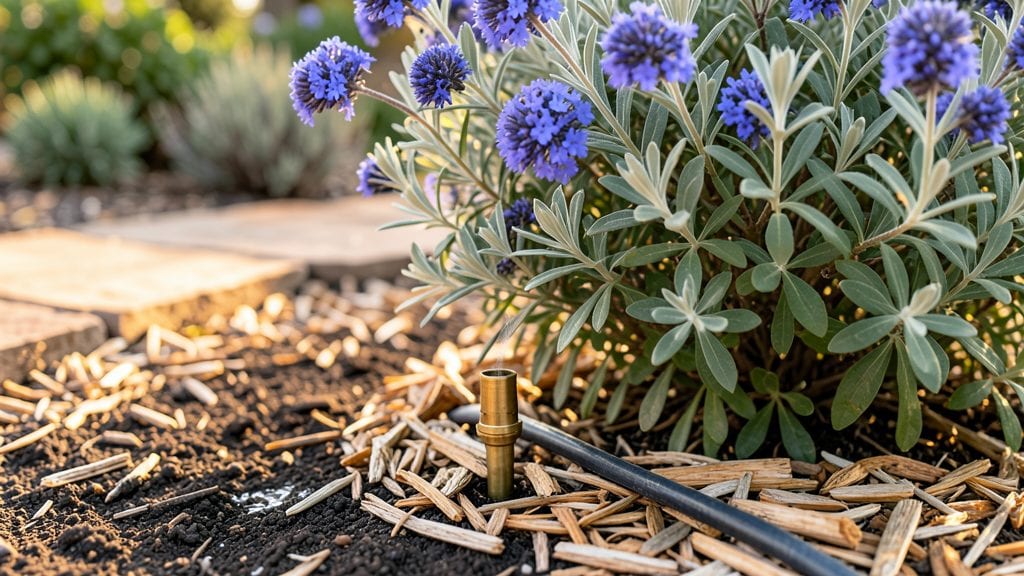
Gardening in Northern California thrives with drought-resistant natives like California poppies and manzanita, paired with microclimate-aware planting zones that balance coastal fog, Central Valley heat, and Sierra foothill dryness. Prioritize well-draining soil and seasonal timing—spring for perennials, fall for bulbs—to maximize success in USDA zones 7-10.
Northern California's diverse landscapes—from the cool, foggy Bay Area to the hot Central Valley—create unique growing challenges.
The key is matching plants to these microclimates, where coastal gardens might need shade-tolerant species while inland areas thrive with sun-loving natives. 🌿 I've seen firsthand how a well-planned garden can flourish with minimal water once established, especially when using native plants that naturally adapt to local conditions.
For example, ceanothus handles both drought and poor soil beautifully, while lavender thrives in the drier inland regions.
Seasonal timing is everything here. Spring is prime for perennials like California fuchsia, which love the cooler weather, while fall planting gives bulbs like tulips and daffodils time to establish roots before winter.
The region's USDA zones 7-10 mean you can grow a surprising variety, but always check your specific zone—even within a few miles, conditions can shift dramatically.
💡 In This Article
- Northern California Microclimates and Plant Zones
- Top Drought-Tolerant Plants for Northern CA Gardens
Northern California microclimates and plant zones
Northern California's climate isn't just varied—it's a patchwork of microclimates where temperature, humidity, and rainfall can shift dramatically within just a few miles.
The Bay Area's famous coastal fog, for instance, creates a 5-10°F cooler environment than inland areas just 20 miles east, while the Central Valley's heat island effect can push summer temperatures to 105°F+—a full 20°F difference from coastal zones.
These variations directly shape USDA plant hardiness zones 7-10, where zone 7 covers higher elevations like the Sierra foothills, while zone 10 dominates the Sacramento Valley.
The key mechanism here is elevation's impact on frost dates. Coastal areas experience 100-150 frost-free days annually, while inland valleys stretch to 200+ days. This means coastal gardeners can plant warm-season crops like tomatoes 2-3 weeks later than their Central Valley neighbors.
The Redwood coast's high humidity (70-80%) creates ideal conditions for ferns and rhododendrons, while the drier Sierra foothills (20-30% humidity) favor manzanita and buckwheat. 🌬️ These microclimates even affect soil moisture—coastal gardens may need 20-30% less water than inland gardens due to fog drip.
Here's where USDA zone maps become your gardening GPS. The 10°F temperature differential between zones means a plant hardy to zone 8 might survive winters in the Bay Area but fail in the hotter Central Valley.
For example, olive trees thrive in zone 9's heat but need winter protection in cooler coastal zone 7b. The solution? Use microclimate-specific planting guides—like the UC Master Gardener program's regional recommendations—which account for these variations down to the neighborhood level.
Water availability patterns add another layer. Coastal gardens often receive 30-40 inches of annual rainfall, while the Sacramento Valley sees only 15-20 inches. This explains why coastal ceanothus (which needs 10-15 inches annually) thrives near the ocean but requires irrigation in the Delta region.
The science here involves evapotranspiration rates—coastal plants lose water more slowly due to humidity, while inland plants develop deeper root systems to access groundwater. This is why native grasses like deer grass spread aggressively in dry areas but stay compact near the coast.
Seasonal timing adjustments are non-negotiable. In zone 7a (e.g., Lake Tahoe area), last frost dates average May 15, while zone 10 (Sacramento) sees January 1 as the cutoff. This 4-month difference means coastal gardeners can plant winter squash in early May, while Valley gardeners start in March.
The trick? Use local frost-free date calculators like the one from the California Climate Tracker to pinpoint your exact window. For bulbs, fall planting in zone 9 (where soils stay 55°F+ longer) should happen by November 1, while zone 7 gardeners wait until October 15.
What most gardeners overlook is how these microclimates interact with urban heat islands. A downtown Sacramento garden in zone 10 can be 5°F hotter than rural areas just 5 miles away, creating micro-zones where palm trees thrive in one yard but struggle next door. The solution?
Observe your garden's specific conditions for at least 3 years—track morning vs. afternoon temperatures, note where fog lingers longest, and monitor soil moisture at 6-inch and 12-inch depths. This data becomes your custom planting calendar, far more accurate than generic zone maps. 🌡️
The bottom line? Northern California's gardening success hinges on treating each microclimate as its own ecosystem. By understanding these temperature, moisture, and elevation patterns, you can create thriving gardens that work with nature—not against it.
Start with your local USDA zone map, then refine using real-world observations from your specific corner of the state.