Companion Plants
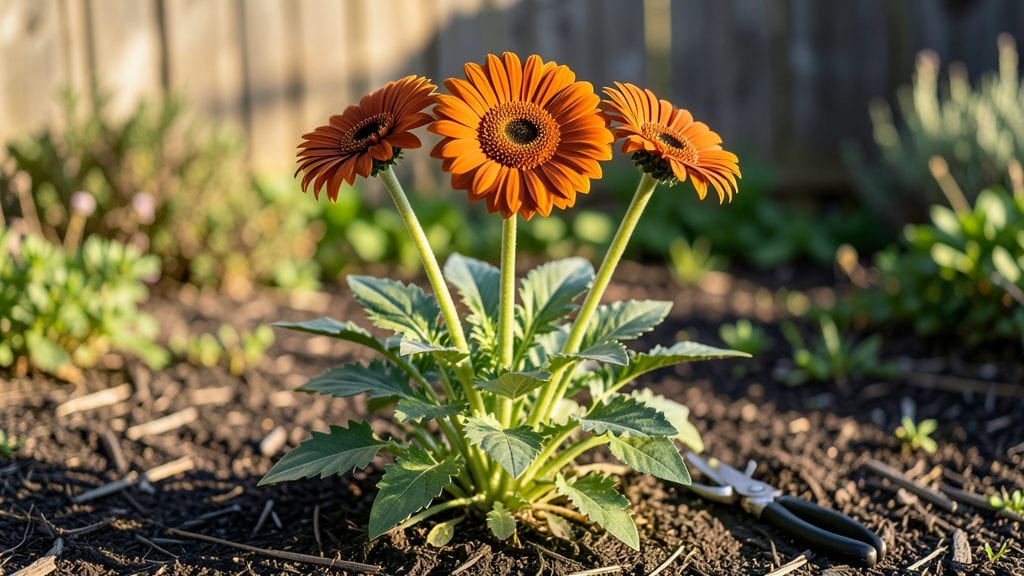
Gerbera daisies garden plants turn any space into a nonstop color party—bright blooms that last from spring through fall, with the right care. 🌸 I’ve filled my front yard borders with them, and neighbors now ask how I keep the garden looking so fresh all season.
The secret isn’t complicated: these daisies thrive in full sun, love well-draining soil, and reward you with blooms that pop in every shade imaginable.
Pair them with lavender for a cottage garden vibe or mix in with ornamental grasses for a modern look. They’re pollinator magnets, too—bees and butterflies can’t resist their cheerful faces. The best part?
You can tuck them into containers, window boxes, or mass plant them in beds for a bold, eye-catching display. Just avoid soggy soil, and they’ll keep blooming like clockwork.
Imagine walking past a border where every stem holds a fresh bloom, their petals ruffled by morning breezes. That’s the magic of gerberas—they bring instant joy to any garden, whether you’re going for wild romance or clean, structured lines.
And when winter rolls in, you can even overwinter them indoors with a little extra light.
Here’s the kicker: they’re beginner-friendly but still feel fancy. No fancy tricks—just sun, water, and a little deadheading to keep the flowers coming. Ready to make your garden the talk of the neighborhood? Let’s get planting!
📚 In This Guide
- What you need
- Instructions
- Tips and common mistakes
- Wrapping up and next steps
What you need
- ● Gerbera daisy plants: Choose healthy nursery-grown plants (6-inch pots, 3-4 plants per square foot for full bloom impact). Pro tip: Opt for blank">disease-resistant varieties like 'Mambo' or 'Tahiti' for easier care!
- ● Well-draining potting mix: 10-15 gallons (or enough to fill your garden beds). Mix 1 part peat moss + 1 part perlite + 2 parts garden soil for ideal aeration.
- ● Organic compost: 5-10 lbs (blend into soil to enrich nutrients and retain moisture).
- ● Slow-release fertilizer: 10-20-10 NPK ratio (1 lb per 10 sq ft). 💡 Use a blank">time-release formula to avoid overfeeding.
- ● Garden trowel or transplant spade (for digging holes 6-8 inches deep).
- ● Watering can or hose with a gentle spray nozzle (gerberas hate soggy roots!).
- ● Pruning shears (for deadheading spent blooms and shaping plants).
- ○ Mulch (optional): Straw or shredded bark: 2-3 inches thick (to suppress weeds and retain moisture).
- ● Gravel (for containers): 1-inch layer at the bottom for drainage.
- ● Sunlight: A spot with 6-8 hours of full sun daily (partial shade in hot climates).
- ● Climate zone: USDA Zones 9-11 (perennial); Zones 3-8 (treat as annuals or overwinter indoors).
- ● Drainage: Ensure no standing water—gerberas hate wet feet!
How to plant and maintain gerbera daisies for stunning year-round color
These cheerful blooms thrive with just a few key steps—let’s get your garden bursting with color.
🌱 Step 1: Choose the Right Location and Prepare the Soil
Gerbera daisies crave full sun—at least 6-8 hours daily—so pick a spot where they’ll bask in direct light. I always test the area first by checking how long shade lingers; if it stays shaded past noon, supplement with a south-facing window or grow light indoors.
Loosen the soil to a depth of 12 inches with a garden fork to improve drainage, since soggy roots cause rot. Mix in 2-3 inches of compost (from your ingredients list) to enrich the soil naturally. The goal is loose, well-draining earth—gerberas hate sitting in water. If your soil is heavy clay, blend in sand or perlite to lighten it up.
🪴 Step 2: Plant Gerbera Tubers at the Right Depth
For 4 plants, dig holes 6 inches deep and 8-10 inches apart—gerberas need space to spread. Place each tuber eyes-up (the pointed end should face upward) about 1 inch below the soil surface. Cover lightly with soil, then water gently to settle everything without displacing the tuber.
Here’s the thing—I’ve learned the hard way that burying tubers too deep smothers them. Press the soil firmly around the tuber but avoid compacting it. A light mulch of 1-2 inches of organic material (like straw or shredded leaves) helps retain moisture and keeps roots cool.
☀️ Step 3: Water and Fertilize for Continuous Blooms
Water deeply once a week, aiming for 1 inch of moisture per session. Gerberas are drought-tolerant but won’t bloom without consistent hydration. Check soil moisture by sticking your finger 2 inches deep—if it’s dry, water again. Avoid wetting the foliage to prevent fungal diseases like powdery mildew.
Feed plants every 4-6 weeks with a balanced, water-soluble fertilizer (like 10-10-10) diluted to half-strength. I always fertilize in the morning so leaves dry quickly, reducing burn risk. Stop fertilizing in late summer to encourage dormancy if you’re in a cooler climate.
✂️ Step 4: Prune and Deadhead for Long-Lasting Color
Deadhead spent blooms weekly by pinching off flowers just above the next set of leaves. This redirects energy to new buds and keeps your plants flowering nonstop. I use clean, sharp scissors to avoid tearing stems—gerberas heal faster with precise cuts.
Trim back leggy stems in early spring to encourage bushier growth. Never cut more than one-third of the plant at once, or you’ll shock it. If leaves yellow, it’s often a sign of overwatering or poor drainage—adjust your watering schedule immediately.
⏰ Step 5: Protect and Overwinter for Next Season
In fall, reduce watering as temperatures drop. Once frost threatens, cut back foliage to 2 inches above the soil and cover the bed with 4-6 inches of mulch (like straw or leaves). This insulates tubers through winter. In warmer climates, gerberas may bloom year-round with minimal care.
In early spring, remove mulch and water lightly to wake up dormant tubers. New shoots will emerge in 2-3 weeks—that’s your signal to resume regular care. I always mark gerbera beds with stakes so I don’t accidentally dig up tubers when prepping the garden.
Tips & tricks for perfect gerbera daisy planting and care
Here's what I wish I'd known before planting my first gerbera daisies—these little tricks make all the difference for vibrant, long-lasting blooms.
Sunlight Strategy: Those 6-8 hours of full sun in Step 1 are non-negotiable, but here's the secret: morning sun is more important than afternoon. I've found gerberas handle afternoon shade better than morning shade, so position your plants to catch those early rays. If you're in a shaded area, supplement with a grow light for 4-6 hours daily—just keep it 6-12 inches above the plants to avoid burning leaves.
Soil Prep Secret: When loosening soil to 12 inches in Step 1, don't stop at the fork's depth—work the compost down to that full depth too. I like to mix in a handful of perlite with the compost for extra drainage. For heavy clay soil, consider amending the entire planting area rather than just the holes—gerberas hate soggy feet, and this ensures consistent drainage throughout their root zone.
Planting Depth Confidence: That 1-inch depth for tubers in Step 2 can feel tricky—here's my trick: use a ruler or measuring stick to verify depth. Press the soil firmly but gently around the tuber, then water just enough to settle it. I've ruined tubers by either burying them too deep (smothering) or leaving them too shallow (drying out). A light mulch of straw after planting helps maintain that perfect moisture balance without compacting the soil.
Watering Wisdom: The once-weekly watering in Step 3 works best with the right technique: water deeply but slowly, aiming for that 1-inch moisture. I use a rain gauge or tuna can to measure—when it's empty, I know I've hit the mark. Water in the morning so foliage has all day to dry, preventing fungal issues. And here's a pro tip: water at the base rather than overhead to keep those vibrant petals dry and disease-free.
Pro Tips for Gerbera Garden Plants
- Here's what I wish I'd known before planting my first gerbera daisies—these little tricks make all the difference for vibrant, long-lasting blooms.
- Sunlight Strategy: Those 6-8 hours of full sun in Step 1 are non-negotiable, but here's the secret: morning sun is more important than afternoon.
- Soil Prep Secret: When loosening soil to 12 inches in Step 1, don't stop at the fork's depth—work the compost down to that full depth too.
Frequently asked questions
How do I keep gerbera daisies blooming all year?
Gerberas thrive in warm, sunny conditions (6-8 hours of light daily). For year-round blooms, plant in spring or early summer and deadhead spent flowers regularly. In cooler climates, grow them as annuals or overwinter indoors near a bright window. Pro tip: Use a balanced fertilizer (10-10-10) every 4-6 weeks to encourage continuous flowering!
Can gerbera daisies survive winter outdoors?
Most gerberas are tender perennials and won’t tolerate frost. In USDA Zones 8-11, they may survive mild winters with mulch. In colder zones, dig up tubers in fall, store them in dry peat moss, and replant in spring. Warning: Never let soil freeze—the roots will rot!
What pests or diseases should I watch for?
Gerberas are low-maintenance, but keep an eye out for aphids, spider mites, and slugs. Yellow leaves? Overwatering or fungal issues (like botrytis) may be to blame. Improve airflow, water at the base, and use neem oil if pests appear. Quick fix: Remove affected leaves immediately to prevent spread!
Are gerbera daisies good companion plants?
Pair them with low-growing companions like salvia, marigolds, or thyme to deter pests and add texture. Avoid planting near tall grasses (they’ll block sunlight) or aggressive spreaders like mint. Design tip: Use them as border plants—their vibrant colors pop in mixed beds!
Why aren’t my gerbera daisies blooming?
Lack of blooms often means too much shade, over-fertilizing with nitrogen, or stress. Ensure they get full sun, prune leggy stems, and switch to a phosphorus-rich fertilizer (like 5-10-5) to boost flowers. Reset trick: Cut back 1/3 of the plant in early spring to encourage new growth!
Wrapping up and next steps
Transforming your garden into a year-round burst of color with gerbera daisies is easier than you think! These cheerful blooms thrive with the right care—whether you’re a seasoned gardener or just starting out.
Now that you’re armed with the essential tips, tools, and troubleshooting tricks, it’s time to roll up your sleeves and plant your first gerbera.
🌱 Ready to dive in? Start small—pick a sunny spot, grab your supplies, and let these vibrant flowers brighten up your outdoor space. Happy gardening! 🌸