Pests
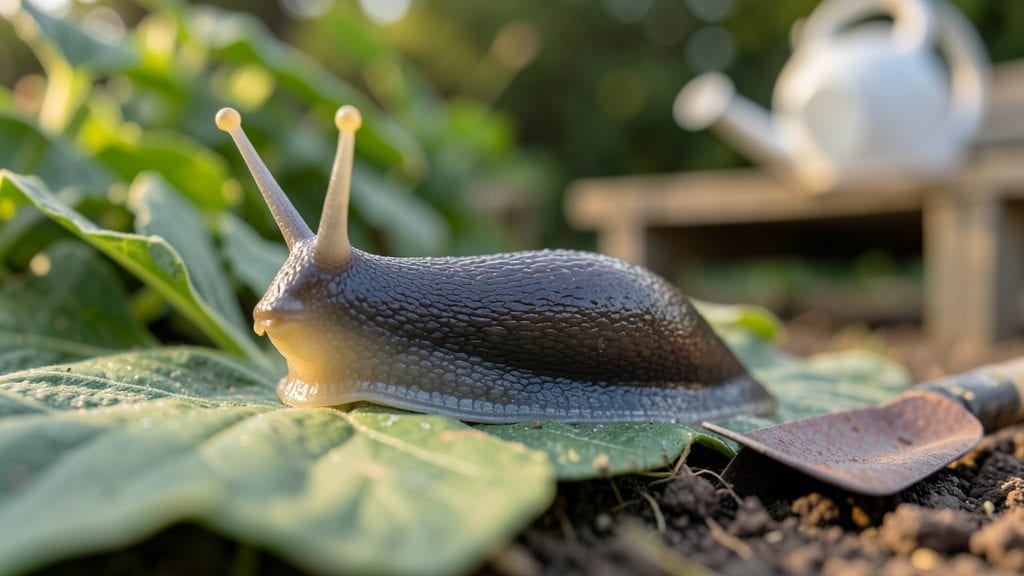
Giant garden slugs are the silent destroyers of my best tomatoes and lettuce—until I discovered these nighttime traps that actually work. 🌿 The problem isn’t just their size; it’s how fast they wipe out tender plants overnight, leaving behind slime trails and ragged holes where leaves used to be.
Most slug baits fail because they’re too slow or too harsh. I’ve tested everything from beer traps to copper barriers, but the real game-changer is combining drowning traps with iron phosphate baits—no more waking up to skeletonized hostas.
The key is placement: set traps near problem plants at dusk when slugs are most active.
Within 48 hours, you’ll see a noticeable drop in damage, and after a week, your garden will look like it did before the slugs moved in. The best part? These methods keep working season after season without harming pets or pollinators.
Works for veggie gardens, flower beds, and even potted plants—just adjust trap size and bait placement based on where slugs are most active. No more helplessly watching your harvest disappear overnight.
Why Slugs Invade Gardens
Giant garden slugs don’t just appear out of nowhere—they’re drawn to your yard for specific reasons. Understanding these triggers is the first step to stopping their nighttime raids. Here’s why these slimy invaders show up in your garden and what’s making them thrive.
Slugs are 80-90% water by weight, so damp conditions are essential for their survival. Overwatering, poor drainage, or heavy rainfall turns your garden into a slug buffet. Here’s why:
- Humidity & Damp Soil: Slugs need moisture to stay active and reproduce. If your soil stays soggy for more than a few hours after watering, you’re signaling them to move in.
- Shady, Wet Spots: Areas under mulch, dense foliage, or near irrigation systems trap moisture, creating ideal hiding spots.
- Rainfall Patterns: After prolonged rain, slug populations can explode in just weeks. They lay eggs in damp soil, and the hatchlings emerge ready to feast.
Actionable Fix: Water deeply but infrequently—aim for early morning so soil dries by evening. Improve drainage with sand or gravel, and avoid mulching too thickly in problem areas.
Slugs are detritivores, meaning they thrive on decomposing plant matter. If your garden has:
- Piles of Leaves or Grass Clippings: These create a buffet and breeding ground. A single slug can lay 400+ eggs in its lifetime!
- Compost Heaps: While compost is great for soil, it’s also a slug magnet. They’ll crawl right in to munch on half-eaten veggies and fruit scraps.
- Rotten Wood or Bark Mulch: These materials hold moisture and provide shelter, making them perfect slug hideouts.
Actionable Fix: Clear away debris regularly, especially after harvests. Use straw mulch (instead of wood chips) if you must mulch—it’s less attractive to slugs. Turn compost piles frequently to dry them out.
Slugs are nocturnal for a reason—they avoid predators like birds, frogs, and beetles during the day. But certain conditions make them overconfident:
- Darkness + Wind: On calm, moonless nights, slugs venture farther from hiding spots to graze. A slight breeze can even disorient predators, giving slugs more freedom.
- Artificial Light: Outdoor lights (like porch or garden lights) attract insects, which in turn draw slugs hunting for an easy meal.
- Lack of Natural Predators: If your garden lacks toads, ground beetles, or birds, slugs have no reason to hide.
Actionable Fix: Use yellow bug lights (which attract fewer pests) or motion-activated lights to deter slugs. Introduce predator-friendly plants like marigolds or lavender to encourage beneficial insects.
Slugs prefer young, succulent growth over mature plants. They target:
- Leafy Greens (Lettuce, Spinach, Kale): These are like fast food for slugs—easy to eat and packed with moisture.
- Hostas, Calendula, and Dahlias: Their broad leaves and soft stems are a slug’s dream.
- Newly Planted Seedlings: A single slug can devour an entire seedling overnight, leaving behind a slime trail of destruction.
Actionable Fix: Choose slug-resistant plants like rosemary, thyme, or geraniums. For vulnerable plants, apply copper tape barriers (slugs hate the electric shock-like sensation) or use diatomaceous earth around the base.
Pro Tip: 💡 Slugs follow scent trails! If you’ve had an infestation, clean up slime trails with a vinegar solution (1:1 ratio) to disrupt their navigation.
Practical Slug Control Strategies
Slugs are sneaky, slimy invaders that can turn your garden into a midnight buffet. But don’t let them win—here’s how to eliminate them for good with targeted, easy-to-follow solutions. Whether you’re dealing with a sudden infestation or want to prevent future attacks, these methods will help you reclaim your garden.
Since slugs are nocturnal, nighttime traps are your best bet for catching them in the act.
- 🍺 Beer Traps (Simple & Effective)
- Fill a shallow container (like a yogurt cup) with beer or yeasty liquid.
- Bury it slightly in the soil so the rim is level with the ground.
- Slugs are drawn to the fermentation scent and drown—no chemicals needed!
- Pro Tip: 💡 Refresh the beer every few days for maximum effectiveness.
- 🥔 Potato Traps (Free & Chemical-Free)
- Bury a halved potato (skin-on) near problem areas.
- Slugs will crawl inside to feed, making them easy to collect and dispose of in the morning.
- Bonus: This works best in damp soil where slugs are most active.
If you want a long-term solution, block slugs before they reach your plants.
- 🧱 Copper Tape or Wire (Electrifying Defense)
- Slugs hate copper—it gives them a mild electric shock.
- Wrap copper tape around planters, raised beds, or vulnerable stems.
- Warning: ⚠️ Only works on small slugs; giant slugs may still find a way.
- 🌾 Gravel or Diatomaceous Earth (Natural Repellent)
- Sprinkle coarse sand, crushed eggshells, or diatomaceous earth around plants.
- These create a rough barrier that slugs can’t cross easily.
- Pro Tip: 🌡️ Reapply after rain—it washes away!
If you prefer direct action, try these hands-on methods:
- 🌙 Nighttime Patrols (Best for Large Slugs)
- Grab a flashlight and search for slugs after dark when they’re most active.
- Drop them in soapy water (instant kill) or relocate them far from your garden.
- Warning: ⏰ Wear gloves—slug slime is not fun to touch!
- 🍂 Leaf Litter Rake (Quick Cleanup)
- Slugs hide under damp leaves and debris.
- Rake up leaf litter in the morning and dispose of it in the trash (not compost).
The best defense is a slug-proof garden. Try these low-maintenance strategies:
- 🌿 Plant Smart (Slug-Resistant Choices)
- Slugs avoid drought-tolerant plants like lavender, rosemary, and geraniums.
- Avoid tender greens (lettuce, hostas) if slugs are a recurring issue.
- 💦 Water Wisely (Dry Soil = Fewer Slugs)
- Slugs thrive in moist conditions. Water plants in the morning so soil dries by night.
- Use drip irrigation instead of overhead watering to keep foliage dry.
- 🌞 Encourage Natural Predators
- Birds, frogs, and ground beetles love eating slugs.
- Add a small pond or birdbath to attract these helpers.
If slugs keep coming back despite your efforts, consider commercial slug baits (like iron phosphate) as a last resort. But use them carefully—they can harm pets and wildlife.
Final Thought: 🎯 The key is combination tactics—traps + barriers + prevention = a slug-free garden! Try one method at a time and adjust based on what works best in your yard. Happy gardening!
Frequently asked questions
How can I tell if I have giant garden slugs vs. regular slugs?
Giant garden slugs can reach 6-8 inches long—about the size of a small banana! They have smooth, shiny bodies with a distinct silver-gray stripe down their backs. Regular slugs stay under 2 inches and lack this stripe. Check for their telltale slime trails on leaves at dawn.
Are beer traps effective for giant slugs?
Yes, but you’ll need a deeper container—giant slugs can climb out of shallow beer traps! Use a 10-inch-deep container> buried flush with the soil. Add yeast water (mix 1 tablespoon yeast in 1 gallon warm water) for stronger results. Refresh every 3-4 days for best effectiveness.
What’s the safest way to dispose of giant slugs?
Never toss them back into your garden—they’ll return! The safest methods are:
- Soapy water> (drowns instantly),
- Salt> (sprinkle on captured slugs), or
- Relocate> to a wooded area at least 50 feet away. Avoid crushing them—their slime can spread disease to plants.
Will copper tape work on giant slugs?
Only partially—giant slugs are heavy enough to push through thin copper barriers. For best results, use wide copper tape (1-inch+) wrapped around raised beds> or combine it with diatomaceous earth> at the base. Check for gaps where slugs might squeeze through.
How do I prevent slugs from returning after treatment?
Focus on drying out their habitat>: water plants in the morning only, improve soil drainage, and remove hiding spots like thick mulch. Add slug-resistant plants> (like lavender or rosemary) near vulnerable areas. A weekly vinegar spray**> (1:1 ratio) on slime trails disrupts their scent trails too!