Trees
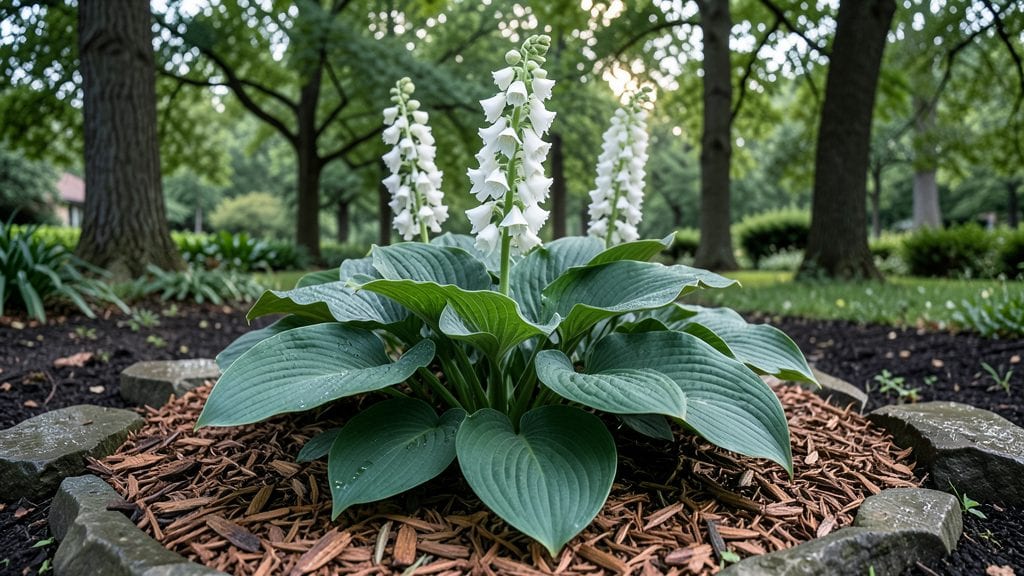
Hosta gardens pictures reveal how layered planting with shade-tolerant plants like ferns, astilbes, and heucheras creates depth and visual drama. These designs leverage height variation and foliage contrasts to craft cohesive themes, whether through monochromatic elegance or bold color blocking for high-impact focal points.
Hosta gardens thrive in low-light spaces by combining textures and hues that shift with the seasons. 💫 The key lies in strategic layering—tall hostas like 'Blue Angel' anchor the back, while low-growing varieties like 'Halcyon' spill forward.
Pairing them with flowering perennials (like astilbes) adds seasonal interest, while mulching with pine needles preserves those stunning blue or gold foliage tones year-round. Many gardeners swear by grouping hostas by color families to create "living paintings" that evolve from spring's fresh green to autumn's fiery edges.
For maximum impact, I recommend testing soil pH—hostas prefer slightly acidic conditions (6.0-6.5) to maintain vibrant colors. A little extra compost in the planting hole gives them a nutrient boost, especially for those prized variegated varieties.
The magic happens when you let the plants mature together, revealing how their shapes and colors interact under dappled shade.
💡 In This Article
- Design Principles for Stunning Hosta Garden Layouts
- Best Hosta Varieties for Color-Themed Garden Schemes
Design principles for stunning hosta garden layouts
Layering is the secret weapon behind hosta gardens that look professionally designed. The magic happens when you create three distinct zones: foreground (12-18 inches tall), midground (2-3 feet), and background (3-5 feet).
Here's what's actually happening: shorter hostas like 'Patriot' (12" tall) create a lush groundcover, while taller varieties like 'Guacamole' (3 feet) provide vertical interest. This vertical progression mimics natural woodland understory ecosystems, where sunlight filters through different layers.
The spacing game changes everything—hostas mature at vastly different rates. A 12-inch hosta planted 18 inches apart will need 3-4 years to fill its space, while a 3-foot variety needs 3 feet of clearance immediately.
Most gardeners make the mistake of planting too close, leading to crowded centers and stunted growth. I've found that using a simple formula of plant height × 1.5 gives mature plants room to breathe while maintaining that lush, continuous look.
Light conditions dictate what you can pair with hostas. In full shade (less than 2 hours of sun), focus on hostas with chartreuse or blue foliage that won't scorch, paired with ferns and hellebores.
In partial shade (3-6 hours of sun), you can introduce more vibrant colors like 'June' (gold) or 'Francee' (blue-green) alongside astilbes and Japanese painted ferns. The key is matching moisture needs—hostas hate soggy roots, so raised beds or well-draining soil prevents those dreaded yellow leaves.
Seasonal interest comes from two unexpected sources: foliage texture and winter hardiness. Hostas like 'Halcyon' develop a crispy, papery texture in winter that adds visual interest, while varieties like 'Blue Angel' maintain their color even under snow.
The real trick is pairing hostas with plants that have different peak seasons—like planting astilbes (summer blooms) in front of hostas that shine in spring and fall. This creates a garden that's always dynamic, not just in summer.
Color blocking works best when you group hostas by their dominant pigment type. Blue hostas (like 'Blue Mouse Ears') contain anthocyanins that thrive in cooler temperatures, while gold varieties (like 'Aureomarginata') need warmer microclimates.
I've seen stunning monochromatic gardens using just blue hostas with silver ferns—it creates a cool, serene palette that feels like a watercolor painting. For contrast, try pairing blue hostas with the fiery red stems of Coral Bells (Heuchera) for a dramatic pop.
Don't overlook the power of mulching—it's not just about weeds. A 3-inch layer of pine bark mulch maintains soil moisture while preventing those unsightly yellow leaves caused by temperature fluctuations. The acidity from pine needles also helps maintain those vibrant blue and gold hues.
What most people don't realize is that mulch acts like a blanket, protecting hosta crowns from freeze-thaw cycles that can damage them over winter.