How To
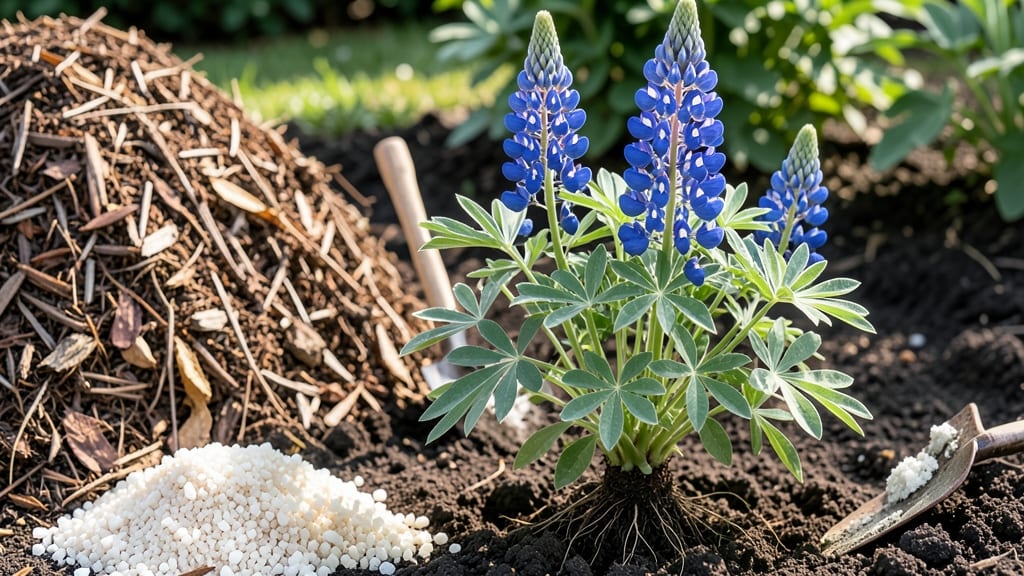
To fix clay soil for gardening, add organic matter like compost, peat moss, or well-rotted manure to boost drainage and aeration while loosening compacted layers. Mix amendments into the top 6-12 inches and avoid working wet soil for best results.
Clay soil can feel like gardening in concrete, but the right amendments turn it into fertile ground. 🌱 The key is breaking up those dense particles—organic matter like compost or leaf mold creates tiny air pockets, while gypsum (calcium sulfate) helps dissolve sodium that tightens clay.
I've seen heavy clay transform into crumbly, workable soil within just one growing season when you combine these methods with proper timing. Test your soil first to avoid over-amending, which can create drainage issues of its own.
Timing matters too: spring or fall are ideal because the soil is moist but not soggy. Use a broadfork to loosen the top 12 inches without turning the soil over completely—this preserves earthworms and beneficial microbes.
For stubborn clay, layer compost and coarse sand in 2-inch bands before mixing. Mulch afterward to protect your work and keep moisture levels steady.
💡 In This Article
- How Organic Amendments Transform Clay Soil Structure
- Step-by-Step Clay Soil Improvement Guide for Beginners
How organic amendments transform clay soil structure
Clay soil's infamous stickiness comes from its microscopic plate-like particles that pack tightly together, creating a dense matrix with 10-30% less pore space than ideal garden soil. This structure makes water and air movement nearly impossible, which is why plants struggle to establish roots.
Here's what happens when you add organic matter: the compost's humus binds to clay particles through electrostatic forces, creating aggregates (clumps) that range from 0.25-2.0 mm in diameter. These aggregates act like tiny sponges, holding 4-6 times more water than bare clay while allowing 20-30% better aeration for root growth.
The magic happens at the molecular level. Compost contains polysaccharides (like those from plant roots) that act as natural glues, while microbial activity produces glycoproteins that further stabilize these aggregates.
This process, called soil structuring, creates a crumbly texture similar to cake batter—light enough for roots to penetrate but still able to hold moisture.
For example, adding 2-3 inches of compost to a 6-inch deep clay layer can increase porosity by 40% within 6 months, while also boosting microbial populations by 3-5 times.
Sand and gypsum work differently but equally effectively. Coarse sand (1-2 mm particles) physically breaks up clay's dense layers by creating air channels, though it should only make up 10-15% of your amendment mix—too much creates a sandy, infertile mix.
Gypsum (calcium sulfate) dissolves in soil water, replacing sodium ions that cause clay particles to repel each other. This chemical exchange reduces soil dispersion by up to 60%, making the clay more workable.
The calcium also improves soil flocculation—clay particles clump together rather than dispersing into a soupy mess when wet.
What most gardeners don't realize is that these amendments don't just improve drainage—they create a balanced moisture retention system. Pure clay holds water like a sponge but releases it too slowly, while sandy soil drains too quickly.
The optimal mix holds 20-30% water by volume at field capacity (the point where plants can easily access it). Organic amendments achieve this by creating a dual-porosity system: larger pores for drainage and smaller pores for water storage.
This is why amended clay soil can support plants like tomatoes that need consistent moisture without drowning roots.
Consider these key differences between amendments:
- Compost: Best for long-term fertility (adds 1-3% organic matter annually) and microbial activity. Breakdown takes 3-12 months depending on moisture and temperature.
- Sand: Improves immediate drainage but offers zero nutrients. Use only for structural issues in 10-15% mixes with organic matter.
- Gypsum: Ideal for sodic (high-sodium) clay soils. Works fastest in 60-90 days but doesn't add organic matter.
The real transformation happens over time through biological activity. Earthworms and microbes continue breaking down organic matter, creating more aggregates and channels.
After 2-3 years of proper amendment, clay soil can develop a crumb structure similar to loamy soil—where 40% sand, 40% silt, and 20% clay create the perfect growing medium. The key is consistency: annual additions of 1-2 inches of compost maintain this structure long-term.
Here's the science-backed secret: healthy clay soil isn't about eliminating clay particles—it's about managing their behavior. The right amendments turn clay's natural water-holding capacity into an advantage while preventing the compaction that makes it problematic.
Think of it like teaching clay to breathe—once you establish those air channels and microbial networks, your soil will work for you instead of against you. 🌱