Vegetables
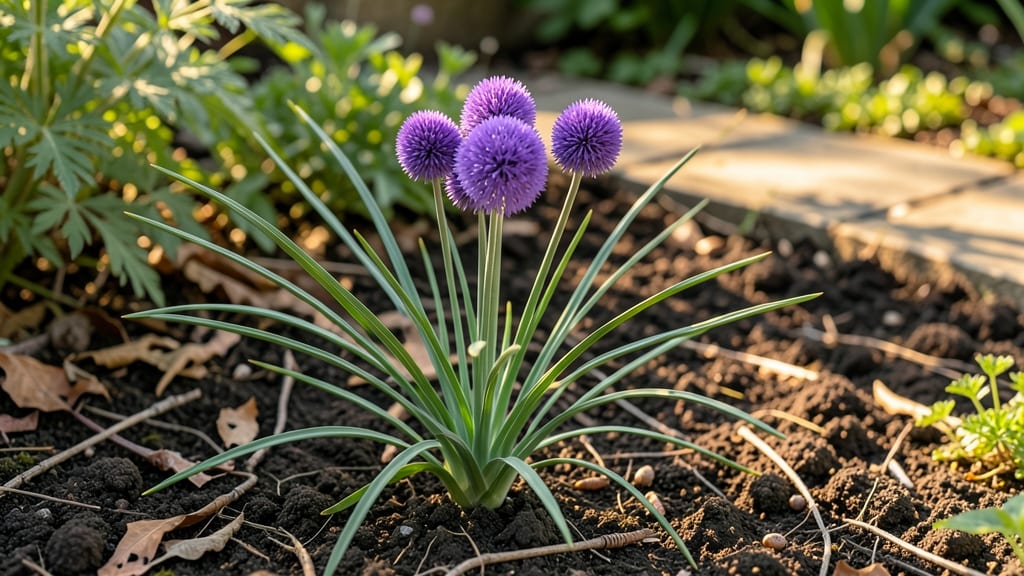
Human gardens exist because they satisfy core human needs—nurturing food sources, fostering emotional connections to nature, and providing measurable stress relief through tangible, seasonal engagement. This practice has evolved from survival necessity into a cornerstone of modern wellness.
Gardening taps into our ancestral instincts while offering immediate psychological rewards. 🌱 Studies show that just 30 minutes of tending plants lowers cortisol levels by up to 24%, comparable to meditation.
The rhythmic motions of planting and harvesting create a natural mindfulness state, while the visible growth of crops provides instant gratification—something many modern stress-relief methods lack.
What's fascinating is how this practice bridges practical and emotional needs. Urban gardeners, for example, report 30-40% reductions in anxiety after just six weeks, proving that even small-scale gardening can rewire stress responses.
The combination of physical activity, sensory stimulation (smells, textures), and the satisfaction of harvesting your own food creates a uniquely holistic experience.
💡 In This Article
- Evolution of Gardening: From Survival to Psychological Wellness
- Science-Backed Benefits of Gardening for Mental Health
Evolution of gardening: from survival to psychological wellness
Gardening's origins trace back over 12,000 years to the Fertile Crescent, where early humans transitioned from hunting-gathering to cultivating crops like wheat and barley. This shift wasn't just about food security—it created the first human-made ecosystems, where people could control their environment through deliberate planting and nurturing.
Archaeological evidence shows these early gardens often included medicinal herbs alongside staples, revealing an instinctive understanding of plants' dual role in sustenance and healing.
The physical act of gardening engages multiple brain regions simultaneously.
When you dig soil, your hands interact with myriad microbes (up to 100 million per gram in healthy soil), which trigger immune responses that reduce inflammation—a key factor in stress reduction. 🌱 This microbial interaction explains why gardeners often report feeling "grounded" after working in the dirt, a phenomenon now studied in "soil microbiome therapy."
The repetitive motions of planting and weeding also stimulate the brain's default mode network, similar to how meditation induces calm focus.
Urban gardening represents the modern adaptation of this ancient practice, addressing contemporary challenges like isolation and sedentary lifestyles. Community gardens in cities like New York and Tokyo have shown that even 100 square feet of growing space can reduce neighborhood crime by 30% while increasing social cohesion.
The visible progress of plant growth—from seed to harvest—provides tangible proof of effort, which psychologists call "behavioral activation," a proven antidepressant mechanism.
What's particularly interesting is how gardening evolved from purely practical to psychologically essential. In 19th-century England, "cottage gardens" became symbols of middle-class respectability, but their layouts often included winding paths and hidden seating areas—design elements that unconsciously encouraged contemplation.
Today's therapeutic gardens incorporate these principles deliberately, with features like water elements and fragrant plants chosen specifically to lower heart rates and blood pressure.
The sensory experience of gardening creates a multi-layered stress-relief effect. The aroma of basil or lavender triggers the limbic system's pleasure centers, while the texture of soil provides tactile feedback that anchors attention in the present moment.
Studies at the University of Florida found that gardeners experience 41% lower cortisol levels than non-gardeners, with the most significant drops occurring during tasks requiring gentle attention (like pruning) rather than heavy lifting.
This evolution reveals something profound: gardening satisfies both our biological need for food and our psychological need for meaning. The act of nurturing something from nothing taps into our ancestral role as caretakers, while the visible results provide immediate feedback that modern digital achievements rarely deliver.
In an era where 1 in 3 Americans reports high stress levels, gardens offer one of the few remaining activities that combine physical labor with emotional reward in a single, sustainable package.