How To
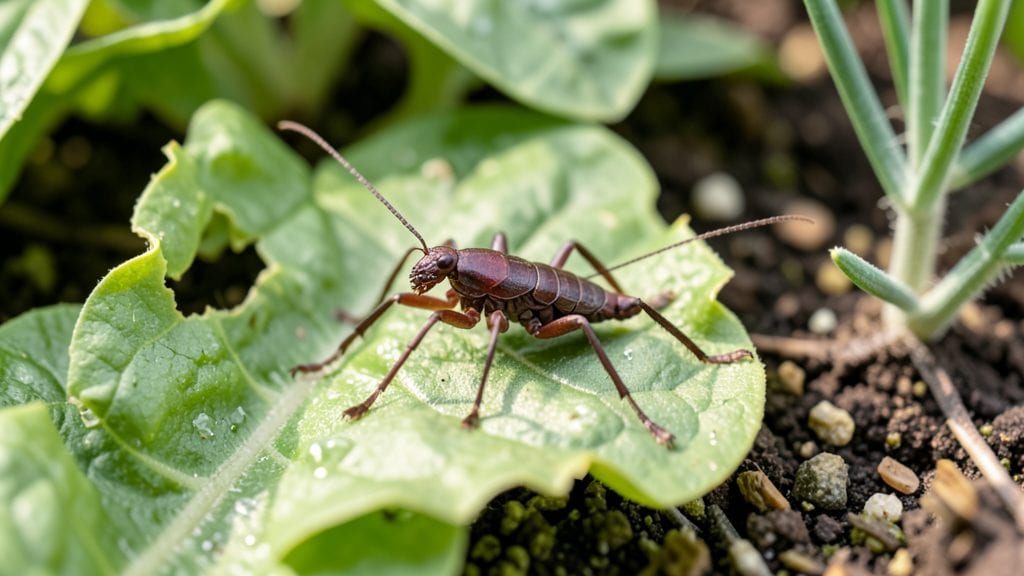
Getting earwigs out of your garden starts with a simple, effective drown trap that works faster than you’d expect. I’ve tried every trick—soil drenches, diatomaceous earth, even store-bought sprays—and nothing beats the foolproof beer trap for quick results.
These pests are drawn to moisture and fermented scents, so they crawl right into the trap and drown overnight.
The key is placement: set shallow containers filled with beer near problem areas—under mulch, along fence lines, or under garden debris where they hide. Check traps every morning and empty them into a sealed bag before they escape.
For larger infestations, repeat for 3-5 nights until you see fewer critters. The best part? This method kills them without harming your plants or beneficial insects.
Once the immediate threat is gone, focus on prevention. Keep mulch 2-3 inches away from plant stems, remove decaying leaves, and water in the morning so soil dries faster—earwigs love damp, shady spots.
A thin layer of coarse sand around plants also deters them from crawling up. With these steps, your garden stays earwig-free without harsh chemicals.
This approach works for vegetable gardens, flower beds, and even patios where earwigs gather. The traps are cheap, reusable, and guaranteed to reduce numbers fast—just don’t leave them out too long, or you’ll attract other pests.
For stubborn cases, combine traps with a healthy soil routine (compost, aeration) to make your garden less inviting long-term.
Root Causes of Earwig Invasion
Earwigs don’t just wander into your garden by accident—these nocturnal critters are drawn in by specific conditions that make your outdoor space an all-you-can-eat buffet. Understanding why they’re showing up is the first step to kicking them out for good. Let’s break down the science behind their uninvited visits.
Earwigs thrive in damp environments because their exoskeletons are delicate and prone to drying out.
If your garden has: - Poor drainage – Standing water or soggy soil after rain creates ideal breeding grounds. - Thick mulch or decaying organic matter – Earwigs hide under damp leaves, wood chips, or rotting plant debris. - Overwatered plants – Excess moisture in potted plants or garden beds signals a safe zone for earwigs to nest.
Actionable insight: 💡 Earwigs target gardens with high humidity. Check for waterlogged areas, fix drainage issues, and avoid over-mulching near plant bases.
Earwigs are primarily detritivores (they munch on decaying plant material) and predators (they snack on smaller insects).
Your garden becomes a magnet if: - You have tender young plants – Earwigs chew on leaves, flowers, and soft stems, especially in tomatoes, lettuce, and strawberries. - There’s a lack of natural predators – Birds, spiders, and ground beetles keep earwig populations in check.
If these are missing, earwigs multiply unchecked. - Artificial lighting attracts them – Outdoor lights draw insects (their prey), which in turn lures earwigs hunting for a meal.
Actionable insight: 🌡️ Reduce nighttime lighting near garden beds and encourage predator-friendly plants like marigolds or basil to deter earwigs naturally.
Earwigs need hiding spots during the day to avoid predators and dry conditions.
They’ll invade if your garden offers: - Dark, sheltered crevices – Under rocks, bricks, or wooden structures (like decks or sheds). - Thick ground cover – Dense grass, ivy, or untrimmed shrubs provide perfect hiding spots. - Gaps in hardscaping – Cracks in patios, walkways, or even mulch piles become earwig highways.
Actionable insight: ✨ Remove debris, seal gaps in outdoor structures, and keep grass trimmed to eliminate their daytime hideouts.
Some plants are earwig super-attractants because they provide both food and shelter.
The worst offenders include: - Vegetables with soft leaves (e.g., spinach, peas, and beans). - Fruiting plants (e.g., raspberries, blackberries, and strawberries). - Deciduous trees with thick leaf litter (e.g., oak, maple, or fruit trees).
Actionable insight: 🎯 Monitor high-risk plants at dusk and use row covers to protect vulnerable crops until earwigs retreat for the night.
Earwigs are most active during:
- Warm, humid nights (ideal for hunting).
- After heavy rain (when soil moisture spikes).
- Late summer to early fall (their breeding peak).
Actionable insight: ⏰ Time your earwig control efforts for early evening or post-rain when they’re most active and vulnerable to traps.
If left unchecked, earwigs can:
- Damage crops (chewing holes in leaves and fruit).
- Stain walls and furniture (their secretions can leave marks).
- Invade your home (they crawl indoors seeking warmth and moisture).
Now that you know why they’re there, the next step is how to outsmart them—and that starts with targeted traps and natural repellents. Stay tuned!
Natural Fixes for Earwig Problems
Earwigs may seem like a small nuisance, but their presence can wreak havoc on your garden if left unchecked. The good news? You don’t need harsh chemicals to tackle them—just smart, targeted solutions.
Below, we’ll map out practical fixes based on the root causes of your earwig invasion, from habitat disruption to food removal. Each method is easy to implement, eco-friendly, and designed to keep your garden thriving.
Earwigs love dark, moist spaces—think mulch piles, under rocks, or dense foliage. If your garden is their perfect hideout, disrupt their real estate with these steps:
- 🍳 Set Up Drown Traps (The Humane Way) Earwigs are attracted to moisture and light. Place shallow containers (like plastic cups or lids) filled with soapy water near problem areas. Bury the rim slightly so they can’t escape.
Check traps daily—earwigs will drown within hours, and you can relocate their bodies (or dispose of them) to avoid re-infestations. > 💡 Pro Tip: Add a LED tea light near traps at night—earwigs are drawn to light and will crawl right in!
- 👨🍳 Dry Out Their Favorite Spots Earwigs thrive in damp conditions. Reduce moisture by:
- Improving drainage around plants (raise beds if needed).
- Avoiding overwatering—water deeply but infrequently.
- Removing thick mulch from problem areas (replace with gravel or straw, which earwigs dislike).
- 🥘 Rethink Your Garden Layout Earwigs hide under flat surfaces (like slabs or boards). Elevate garden beds slightly or add small rocks to create gaps—this makes it harder for them to nest.
Earwigs are scavengers—they’ll munch on rotting leaves, decaying wood, and even living plants. Cut off their food supply with these low-effort strategies:
- 🔪 Clear Debris Regularly
- Rake up fallen leaves, dead plants, and wood chips—these are earwig buffets.
- Compost piles should be turned frequently and kept dry to deter earwigs.
- Prune overgrown plants to reduce hiding spots and food sources.
- 🌡️ Use Earwig-Repellent Plants Some plants naturally deter earwigs with strong scents. Plant these near vulnerable areas:
- Mint, lavender, or basil (earwigs hate their fragrance).
- Garlic or chives (crush leaves and scatter around borders).
- Marigolds (their scent masks other plants’ aromas).
- 🎯 Block Access to Crops Earwigs love soft-stemmed plants like lettuce, beans, and roses. Protect them with:
- Row covers (fine netting) over young plants.
- Copper tape around raised beds—earwigs dislike the metal’s texture.
Earwigs are nocturnal, so they’re most active after dark. If they’re crawling into your home or damaging plants overnight, try these nighttime tactics:
- 🔥 Nighttime Light Traps (DIY Version)
- Place a white sheet over a string of LED bulbs (like Christmas lights) near earwig hotspots.
- Earwigs will gather on the sheet—shake them into a bucket of soapy water in the morning.
- 🌙 Use Diatomaceous Earth (Food-Grade Only!) Sprinkle a thin layer of food-safe diatomaceous earth (DE) around plants, mulch, and entry points. It dehydrates earwigs without harming plants or pets (just avoid inhaling it). > ⚠️ Warning: Reapply after rain—DE loses effectiveness when wet.
- 🎯 Introduce Natural Predators Earwigs have many enemies in the garden.
Encourage these free pest controllers: - Birds (like sparrows and robins)—add a birdbath to attract them. - Ground beetles—they eat earwigs and thrive in open, sunny areas. - Spiders—leave some leaf litter in dry spots to support them.
The best defense? Make your garden earwig-unfriendly from the start. Use this quick checklist to keep them out long-term:
| Task | How to Do It | When to Do It |
|---|---|---|
| Reduce moisture | Improve drainage, water in AM | Spring & Fall |
| Remove hiding spots | Clear debris, elevate garden beds | Year-round (weekly checks) |
| Plant repellents | Add mint, garlic, or marigolds | Spring planting season |
| Use traps | Set up drown traps or light traps | Evening (May–September) |
| Encourage predators | Add birdbaths, leave some leaf litter | Year-round |
| Check mulch | Replace thick mulch with gravel/straw | Early spring |
Final Thought: Earwigs are easy to outsmart—they just need the right conditions to thrive. By combining traps, habitat changes, and natural deterrents, you’ll send them packing without chemicals. Start with one or two methods, monitor progress, and adjust as needed.
Your garden (and your plants) will thank you! 🌱🚫🐜
Frequently asked questions
Why do earwigs keep coming back after I use traps?
Earwigs are resilient because they thrive in damp, sheltered areas. If traps don’t eliminate the root cause—like moisture or hiding spots—new ones will keep arriving. Focus on reducing humidity (improve drainage, water in the morning) and removing debris where they nest. Combine traps with habitat changes for lasting results.
Can I use beer traps for earwigs, or is that just for slugs?
Yes! Beer traps work perfectly for earwigs too. They’re attracted to the yeast and fermented scent. Use shallow containers (like yogurt cups) filled with beer—bury the rim slightly so they can’t climb out. Check traps daily and dispose of drowned earwigs in sealed bags to prevent re-infestations.
Are earwigs harmful to my plants, or are they just a nuisance?
While earwigs don’t kill plants, they can cause noticeable damage. They chew irregular holes in leaves, flowers, and soft fruit like strawberries and tomatoes. Young seedlings are especially vulnerable. Left unchecked, they can also stain walls or furniture with their secretions if they gather in large numbers.
What’s the best time of day to check earwig traps?
Check traps in the early morning (before 9 AM) when earwigs are still sluggish from the night. This is when they’ll be most concentrated in traps. Avoid checking at dusk—they’ll just escape! Empty traps immediately to avoid attracting other pests or creating odors.
Will diatomaceous earth (DE) kill earwigs instantly?
No, DE works by dehydrating earwigs over time—usually within 24-48 hours of exposure. It’s not an instant kill but is highly effective for long-term control. Sprinkle a thin layer around plants, mulch, and entry points, and reapply after rain. Always use food-grade DE to protect beneficial insects.