How To
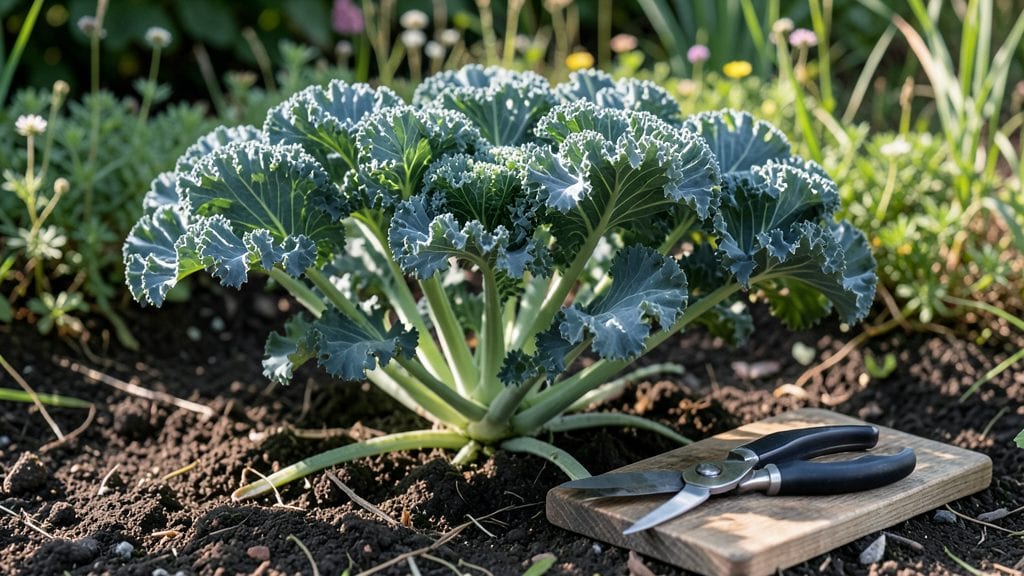
To pick kale from your garden at the perfect time means harvesting tender, vibrant leaves that keep coming back—no bitter surprises or wasted stems.
Harvesting kale at the right time ensures tender, flavorful leaves and encourages continuous regrowth—so you never run out of this nutrient-packed superfood. But timing, technique, and even weather play a critical role in maximizing your garden’s yield.
You’ll want to start when the outer leaves reach 6-8 inches and feel firm yet tender, a sign they’re ready to eat. The key is to avoid over-mature leaves, which can turn tough and bitter, ruining the experience.
In this guide, I’ll walk you through the best tools, the exact steps to harvest without damaging the plant, and how to store your fresh 🥬 kale so it stays crisp for days.


When and how to harvest kale for maximum yield and tender leaves
Timing your kale harvest correctly is the secret to enjoying tender, flavorful leaves while keeping your plants productive. Unlike many vegetables, kale rewards you with continuous regrowth if harvested properly—so mastering this skill means a never-ending supply of this nutrient-rich green.
The key lies in understanding leaf maturity, seasonal windows, and gentle harvesting techniques that preserve the plant's health.
Most kale varieties reach harvest readiness in 60-70 days after planting, but exact timing depends on your climate and variety.
For example, Lacinato (Dinosaur) kale and Curly kale both thrive when leaves reach 6-8 inches long, while Red Russian kale can be harvested slightly earlier at 5-6 inches for the best texture. The color intensity also signals readiness—deep, vibrant hues mean peak flavor.
Never harvest kale in hot afternoons when leaves are wilted or stressed. Instead, pick in the early morning when moisture levels are optimal, and temperatures are cool. This prevents bitterness and ensures you’re harvesting at the plant’s freshest.
A light frost can actually sweeten kale’s flavor, so don’t shy away from harvesting after a 28°F chill—just avoid heavy freezes that damage the plant.
Before you harvest, check for these three readiness signs:
- Leaves are fully unfurled and large
- They’re deep in color (dark green, purple, or red)
- Leaves feel tender but firm when gently squeezed
If leaves are still tightly curled or pale, they need more time to mature.
Grab your sharp pruning shears or a clean kitchen knife—never pull leaves by hand, as this can damage the stem. Cut leaves 1-2 inches above the growing point to leave enough foliage for regrowth.
For baby kale, you can snip individual leaves without harming the plant, but larger harvests should target outer leaves first to protect the center.
Weather plays a surprising role in harvest timing. In hot climates (Zones 9-11), kale may bolt (flower) quickly, so harvest aggressively in fall and winter when temperatures drop. In cooler climates (Zones 3-6), focus on spring and early fall harvests, avoiding the heat of summer.
A row cover can extend your harvest season by protecting plants from extreme temperatures.
After harvesting, always clean your tools with rubbing alcohol to prevent disease spread between plants. Kale is surprisingly resilient—if you leave at least 4-6 inches of stem and 4-5 leaves at the center, the plant will regrow in 2-3 weeks.
For continuous harvests, space cuts 10-14 days apart during peak growing seasons. In winter months, extend regrowth by adding a thin layer of mulch around the base to insulate roots.
One common mistake is harvesting too aggressively—removing more than half the plant at once can shock kale and stunt regrowth. Instead, think of your harvests as gentle pruning sessions. Another pro tip: Harvest from the outside in to protect younger, more tender leaves at the center.
This method also encourages bushier growth over time, giving you even more leaves to enjoy.
For year-round harvests, succession plant kale every <
Pro tips to prevent kale from bolting or becoming bitter after harvest
Kale is a hardy crop, but it’s surprisingly sensitive to heat stress and poor soil conditions. When temperatures rise above 75°F (24°C), your kale may bolt—sending up bitter-tasting flower stalks. Similarly, uneven watering or nutrient imbalances can trigger bitter flavors or stunted growth.
The good news? With a few simple adjustments, you can keep your kale sweet, tender, and productive for weeks longer.
First, focus on soil health. Kale thrives in rich, well-draining soil with a pH between 6.0 and 7.0. If your soil is compacted or lacks organic matter, amend it with compost or aged manure before planting.
This ensures your plants have the nutrients they need to resist stress and maintain sweetness. I’ve found that adding a balanced fertilizer (5-10-10) every 4-6 weeks during the growing season keeps my kale lush and flavorful.
Next, watering consistency is key. Kale needs 1-2 inches of water per week, but it’s crucial to water deeply and evenly. Shallow watering encourages shallow root growth, making plants more susceptible to drought stress.
Always water in the morning to reduce evaporation and fungal risks. If you’re growing in hot climates, mulch around your plants to retain moisture and keep roots cool.
Now, let’s address the biggest mistake gardeners make: harvesting too aggressively. While it’s tempting to snip entire stems, this can shock the plant and trigger bolting. Instead, use the cut-and-come-again method, harvesting outer leaves first while leaving the inner growth intact.
This encourages regrowth and extends your harvest window by 4-6 weeks.
🚨
Mistake: Harvesting inner leaves or cutting stems too close to the base.
Fix: Always use clean, sharp pruners and cut 1-2 inches above the crown on outer leaves. Avoid removing more than 1/3 of the plant at once.
Pro Tip: Harvest in the coolest part of the day (early morning or late evening) to prevent stress.
For cold climates, embrace frost! Kale actually sweetenens after a light frost, making it perfect for fall and winter harvests. Just be sure to protect young plants with row covers or cold frames if temperatures dip below 20°F (-7°C).
In hot climates, provide afternoon shade with shade cloth (30-50%) to prevent bolting. I’ve had success growing kale under drip irrigation in summer, which keeps roots cool and moisture levels stable.
Finally, watch for pests and diseases like aphids, cabbage worms, or downy mildew. These can stress your plants and lead to bitter flavors. Use neem oil or insecticidal soap as a preventative spray, and remove any yellowing or damaged leaves promptly.
With these strategies, your kale will stay sweet, tender, and productive well into the season.