Planting
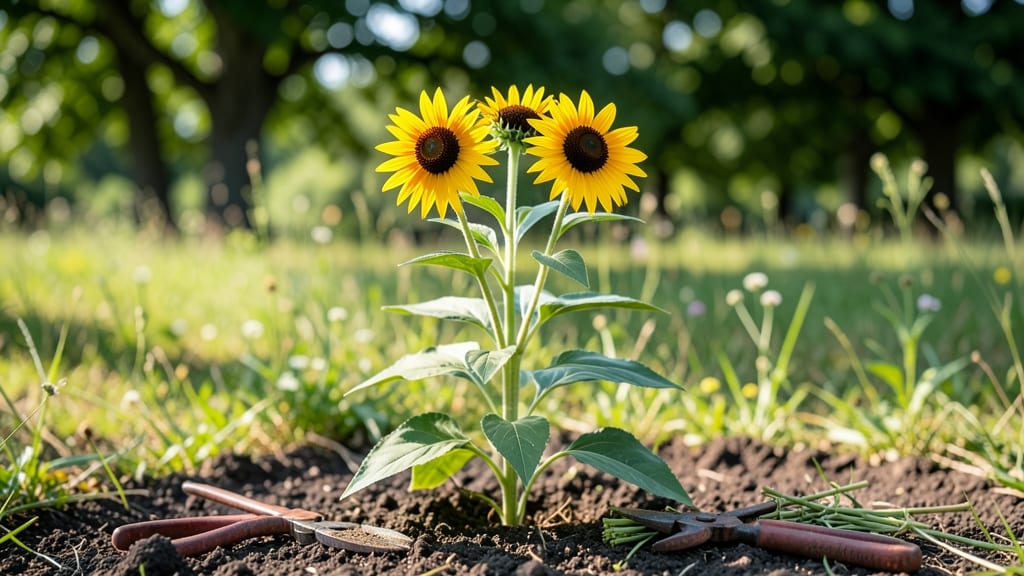
Identifying garden plants doesn't have to be a guessing game—especially when you know the right visual clues. I've spent years squinting at leaves and stems, and I can tell you: a few simple observations (leaf edges, flower arrangement, stem hairiness) will narrow down your mystery plant faster than you'd think.
The key is starting with the basics—no fancy tools needed, just your eyes and a little curiosity.
First, focus on three things: leaf shape (lobed, serrated, smooth?), flower structure (single bloom or clusters?), and stem texture (hairy, smooth, ridged?). Snap a clear photo of these details, then compare them to trusted plant databases like iNaturalist or PlantNet.
I’ve used these apps to ID everything from stray hostas to invasive garlic mustard—no green thumb required. The trick is getting close enough to see the fine details without missing them.
You’ll quickly spot the difference between a beneficial bee balm and a sneaky bindweed. Once you recognize these patterns, you’ll start noticing how plants group together in your yard—like how milkweed always has those fuzzy seed pods or how poison ivy’s leaves grow in threes.
This isn’t just about naming plants; it’s about understanding how they behave and where they belong in your garden.
For tricky cases, I keep a small notebook with sketches of the plants I’m unsure about. Over time, your memory for shapes and textures sharpens, and you’ll start recognizing plants on sight.
The best part? Knowing exactly what’s growing in your garden means you can care for it—or remove it—with confidence. Let’s start with the easiest visual clues first.
The Hidden Triggers Behind Misidentification
Misidentifying garden plants can be frustrating, especially when your green thumb feels like it’s failing you. But don’t worry—most mistakes stem from a few common botanical quirks. Understanding these triggers will sharpen your plant-spotting skills and help you avoid costly errors.
Let’s break down the science behind why even experienced gardeners sometimes get it wrong.
Plants within the same family often share striking similarities because they evolved from common ancestors.
For example: - Mistaken Identities: Toxic oleander (Nerium oleander) and non-toxic frangipani (Plumeria) can look nearly identical at first glance, but their leaf shapes, flower structures, and scent differ slightly. - Why It Confuses You: Evolution favors efficiency—similar growing conditions lead to parallel traits.
A plant’s leaf venation (the pattern of veins) or flower symmetry can be almost identical, making quick IDs risky. - How to Spot the Difference: - Check the underside of leaves—some have fuzzy textures, while others are smooth. - Observe flower anatomy—oleander has five petals in a radial pattern, while frangipani’s petals are more waxy and layered. - Smell test (carefully!)—frangipani emits a sweet, floral scent; oleander has a faint, almost bitter aroma.
Many garden plants undergo phenological changes—their appearance shifts dramatically depending on the season, age, or stress levels. This can throw off even the most seasoned identifiers.
- Leaf Variations: - Young vs. Mature Leaves: A monstera plant’s leaves start small and simple but develop fenestrations (holes) as they age.
A juvenile monstera might be mistaken for a pothos (Epipremnum aureum). - Seasonal Color Shifts: Japanese maple (Acer palmatum) leaves turn fiery red in autumn, but in spring, they’re a soft lime green—easy to confuse with other maple species. - Flowering Illusions: - Some plants only bloom once a year (e.g., lilacs in spring) or change flower color as they age (e.g., hydrangeas shift from pink to blue based on soil pH). - How to Stay Sharp: - Track growth stages—take photos of your plant over months to spot patterns. - Compare with a reference book or app (like iNaturalist or PlantNet) to see how the plant should look at each life stage. - Note environmental triggers—stress (drought, overwatering) can cause leaves to curl, yellow, or drop, mimicking disease.
Most plant ID guides focus on bold features (like large flowers or broad leaves), but the subtle details often hold the key. Here’s what you might be skipping:
- Stem Characteristics:
- Hairiness or smoothness? Lamb’s ear (Stachys byzantina) has silvery, woolly stems, while dead nettle (Lamium) has square stems with rough edges.
- Thorns vs. Prickles: Roses have sharp thorns (modified stems), while blackberries have prickles (skin projections).
- Root and Bark Traits:
- Underground clues (like rhizomes in ginger or bulbs in tulips) can distinguish look-alikes.
- Bark texture—smooth birch vs. fissured oak bark is a dead giveaway.
- Smell and Taste (Use Caution!):
- Mint family plants (Lamiaceae) often have aromatic leaves—crush a leaf to test. Lavender smells sweet; deadly nightshade (Atropa belladonna) has a bitter, unpleasant scent.
- ⚠️ Warning: Never taste unless you’re 100% certain—some plants (like angel’s trumpet or castor bean) are deadly.
A single plant species can develop local adaptations, leading to variations in leaf shape, size, or color.
For example: - English vs. American Holly: Ilex aquifolium (European holly) has spiny leaves, while Ilex opaca (American holly) often has smoother, less spiky foliage. - Cultivar Confusion: Garden centers sell hybrids (like ‘Tricolor’ hostas) that don’t match wild-type descriptions.
A blue hosta might look nothing like its green cousin. - How to Adapt: - Check your region’s native plant databases (e.g., USDA Plants or Royal Horticultural Society). - Ask local nurseries—they’ll know which varieties thrive in your climate. - Use DNA testing kits (like SmartGrow Systems) for ambiguous cases.
Sometimes, the problem isn’t the plant—it’s how we observe it.
Common pitfalls include: - Confirmation Bias: If you think it’s a snapdragon, you’ll focus only on traits that match—ignoring the square stem that’s actually a mint. - Relying on One Source: A single image or app might not capture the full range of variations. Cross-reference with at least three reliable sources. - Ignoring the Big Picture: - Habitat clues—does the plant grow in shade (hostas) or sun (succulents)? - Associated plants—weeds like bindweed often grow near grapes, while foxgloves prefer damp, wooded areas.
To minimize mistakes, arm yourself with these science-backed tools:
- A dissecting loupe (10x magnifier) to inspect stamen, pistil, and leaf hairs.
- A moisture meter to check if the plant prefers wet or dry soil (a key differentiator for look-alikes like irises vs. daylilies).
- A field notebook to log leaf arrangement (alternate vs. opposite), flower symmetry (radial vs. bilateral), and seed pod shapes.
Final Thought: Misidentification isn’t a failure—it’s a chance to deep-dive into botany. The more you study these triggers, the more you’ll notice the invisible threads that connect plants. Next time you’re stumped, slow down, grab your loupe, and let the tiny details do the talking. 🌿🔍
Quick Fixes for Plant ID Confusion
Struggling to match your garden greenery to the right name? Don’t stress—misidentifying plants is a common hurdle, but with the right approach, you can turn confusion into clarity. Below, we’ve mapped common causes of plant ID challenges to practical, step-by-step solutions, plus tips to prevent future mix-ups.
Whether you’re dealing with vague descriptions, seasonal changes, or just a lack of reference tools, these fixes will help you pinpoint plants like a pro—without the guesswork.
Problem: Your plant’s features don’t match any online descriptions, leaving you stuck between "maybe this" and "nope, that’s not it."
How to Fix It:
- 📏 Measure and Compare
- Grab a ruler or measuring tape to note leaf length, width, and spacing between veins. Many ID guides use these metrics to narrow it down.
- Pro Tip: 💡 Snap a close-up photo of the leaf’s underside (venation patterns are often more distinct there).
- 🌿 Check the Growth Habit
- Is the plant woody, herbaceous, or vine-like? Note whether it’s perennial, annual, or biennial—this slashes possibilities.
- Example: A plant with thick, fleshy stems (like a succulent) won’t match a description for a delicate fern.
- 🌸 Observe Flower/Fruit Clues
- Even if flowers aren’t present, look for buds, seed pods, or fruit remnants. These can be game-changers for ID.
- Quick Fix: 🌡️ Use a plant ID app (like PlantNet or iNaturalist) to upload photos—apps often flag features humans might overlook.
Prevention:
- Keep a small notebook in your gardening bag to jot down observations immediately after spotting a new plant. Over time, you’ll build a personal reference library.
Problem: Your plant looks completely different in winter vs. summer, making ID apps or books useless.
How to Fix It:
- 🌱 Identify Dormant vs. Active Stages
- Deciduous plants (like roses or maples) shed leaves in winter—focus on bark texture, bud shape, or evergreen basal leaves.
- Evergreens (like boxwood or holly) retain foliage but may drop old leaves. Look for new growth color (often brighter green or reddish).
- 📅 Track Growth Patterns
- Take monthly photos of the plant from all angles. Compare them to see how features (like leaf shape or stem hairiness) change.
- Example: A hairy stem in spring might turn smooth by summer—this trait is key for some species.
- 🌿 Use Evergreen Features as Anchors
- If flowers/fruits are gone, rely on:
- Leaf arrangement (alternate, opposite, whorled).
- Stem cross-section (hollow, pithy, or solid).
- Root structure (if you can gently dig—taproots vs. fibrous roots differ wildly).
- If flowers/fruits are gone, rely on:
Prevention:
- Label plants at the base with a waterproof tag (include common name, year planted, and a photo reference). Even a simple "Hostas – 2022" helps avoid seasonal amnesia.
Problem: Apps or databases return conflicting results, leaving you more confused than before.
How to Fix It:
- 🔍 Narrow Down the Search
- Filter by region/climate—many plants are native to specific zones. A cactus from Arizona won’t match a UK garden plant.
- Use scientific names first (e.g., Rudbeckia instead of "black-eyed Susan") to avoid common-name confusion.
- 📊 Cross-Reference Multiple Sources
- Step 1: Use an app (e.g., Google Lens, PictureThis).
- Step 2: Check a field guide (like Newcomb’s Wildflower Guide) for visual confirmation.
- Step 3: Ask local gardening forums or university extension offices—they often have regional expertise.
- 🔄 Refine Your Photos
- Avoid zoom-in shots—show the whole plant + surroundings (soil type, sunlight exposure).
- Shoot in natural light (no flash) and include a reference object (like a coin for scale).
Prevention:
- Bookmark trusted sites like:
- USDA Plants Database
- Royal Horticultural Society (RHS) Plant Finder
- iNaturalist (crowdsourced IDs).
Problem: You’re drowning in Latin names, botanical terms, and conflicting advice.
How to Fix It:
- 📝 Start with the Basics
- Focus on 3 key traits:
- Leaf shape (lobed, serrated, smooth).
- Flower color/arrangement (umbel, spike, solitary).
- Plant height/maturity size.
- Example: A 5-foot-tall plant with white umbel flowers is likely in the Apiaceae family (think parsley, dill, or poison hemlock—yes, that’s a real garden risk!).
- Focus on 3 key traits:
- 🌿 Use the "Eliminate the Impossible" Method
- Rule out toxic look-alikes first (e.g., lily-of-the-valley vs. death camas).
- Ask: "Does this plant have thorns? Is it aromatic? Does it attract butterflies?" Unique traits narrow it down fast.
- 🤝 Ask a Local Expert
- Visit a nursery or botanical garden—staff often recognize plants by texture or scent alone.
- Pro Tip: 🎯 Bring a small sample (a leaf or stem) in a sealed bag for tactile comparison.
Prevention:
- Learn 5 new plant families per month (e.g., Asteraceae, Rosaceae). Once you recognize patterns, IDs become intuitive.
- Join a gardening club—hands-on help beats solo guesswork every time.
Final Thought: Mistakes are just stepping stones to better IDs—the more you practice, the sharper your eye becomes. Start with one of these fixes today, and soon, you’ll be the gardener your neighbors ask for help when they can’t identify their mystery plant! 🌿✨
Frequently asked questions about garden plant identification
What are the easiest visual clues to identify a garden plant?
Start with three key features: leaf shape (lobed, serrated, or smooth edges), flower structure (single bloom or clusters), and stem texture (hairy, smooth, or ridged). For example, holly leaves are spiky with smooth edges, while mint stems are square. Snap clear photos of these details for comparison with plant databases.
How do I distinguish between poisonous and non-toxic look-alikes?
Check the leaf arrangement (poison ivy grows in threes) and flower structure (oleander has five radial petals). Avoid tasting or touching unknown plants—some, like angel’s trumpet, are deadly. Use apps like iNaturalist to cross-reference with verified toxic plants in your region.
Why do plant ID apps give different answers?
Apps rely on crowdsourced data, which can include mislabeled photos or regional variations. Always cross-check with scientific names (e.g., Rudbeckia for black-eyed Susan) and filter by your climate zone. For tricky cases, consult a local nursery or university extension office—they know native plants best.
Can I identify plants by season, or do I need flowers?
You don’t need flowers! Focus on bark texture (smooth birch vs. fissured oak), bud shapes (round or pointed), and leaf scars (marks left after leaves fall). Evergreens like boxwood retain foliage year-round, while deciduous plants rely on dormant buds for winter ID.
What’s the best way to document plants for future reference?
Keep a waterproof notebook with photos, measurements, and growth habits. Label plants with tags including common/scientific names and planting dates. Use a coin for scale in photos, and note soil conditions—this helps track seasonal changes and rule out look-alikes.