
Tools
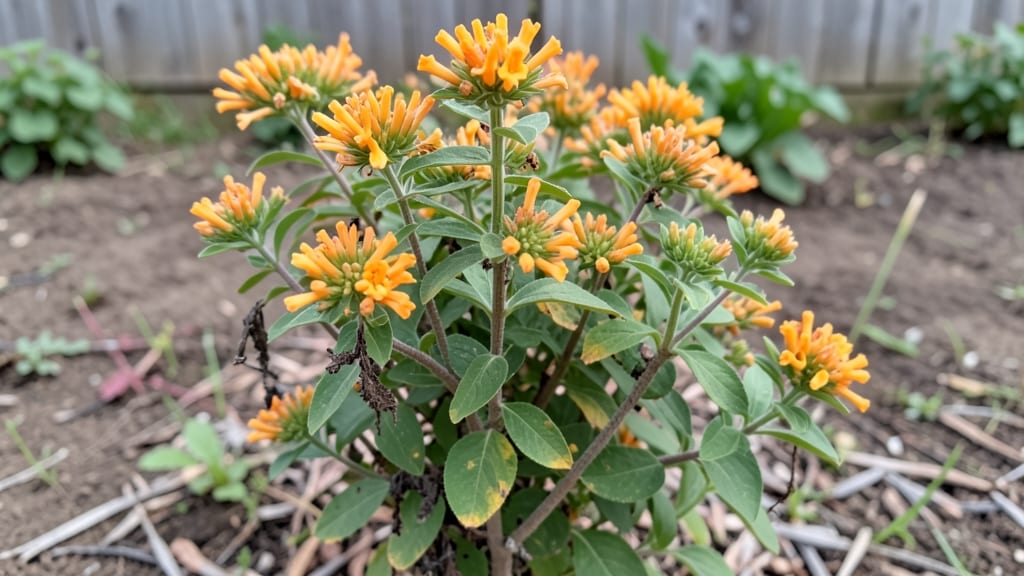
Lantana in garden design is my secret weapon for bold, low-maintenance color that thrives even when summer forgets to rain. 🌿 The first time I planted it, I expected pretty flowers—what I got was a four-season showstopper that outlasts most annuals and attracts bees like a magnet.
Its clusters of tiny blooms keep changing colors, from yellow to pink to purple, as if someone repaints them every few weeks.
This plant isn’t just drought-proof—it’s thirsty for neglect. Use it as a border to frame pathways, spill it over raised beds for cascading color, or let it take center stage in pollinator gardens where it feeds butterflies and hummingbirds all season long.
I’ve seen it thrive in full sun where nothing else dares to grow, and it even handles poor soil better than many perennials.
You’ll end up with a garden that stays vibrant when other plants wilt, requiring almost no deadheading or fussing. The foliage stays lush and aromatic, and the flowers never stop coming—even in late fall when most gardens look tired.
It’s the kind of plant that makes neighbors ask, “What’s that?” so you can brag about its toughness.
Works in containers, mass plantings, or as a focal point near patios where you can enjoy its cheerful blooms up close. Here’s how to make it the star of your design without breaking a sweat.
📚 In This Guide
- What you need
- Instructions
- Tips and common mistakes
- Wrapping up and next steps
What you need
- ● Lantana plants: Choose between: Seedlings (3–6 plants per 10 sq ft for full coverage)
- ● Cuttings (6–10 stems, 4–6 inches long, with nodes)
- ● Mature plants (1–2 per 3–4 sq ft spacing)
- ● Well-draining soil: Mix garden soil with sand or perlite (50/50 ratio) for optimal airflow.
- ● Organic compost: 1–2 cups per planting hole to enrich nutrients.
- ● Slow-release fertilizer: 10-10-10 or 14-14-14 (1 tbsp per plant at planting time).
- ● Mulch: 2–3 inches of pine bark, gravel, or straw to retain moisture and suppress weeds.
- ● Trowel or hand shovel
- ● Garden gloves (to protect from thorns and soil)
- ● Pruning shears (for shaping and propagation)
- ● Watering can or hose with a gentle spray nozzle
- ● Measuring tape (to ensure proper spacing)
- ● Epsom salt (1 tsp per gallon of water for magnesium boost)
- ● Drought-resistant ground cover (e.g., sedum or sage)
- ● Decorative rocks or garden stakes for support
- ● Compost tea or liquid fertilizer (for extra vigor)
Step-by-Step guide to planting and maintaining lantana for stunning year-round color
Here's how to create a vibrant, low-maintenance display that thrives even in dry spells.
🌱 Step 1: Choose the Perfect Planting Location
Lantana loves full sun—at least 6-8 hours daily. I always pick the sunniest, most exposed spot in my garden because lantana blooms best when it gets plenty of light. Avoid areas where water pools after rain, as soggy soil will rot the roots.
If your garden has partial shade, plant lantana near the sunniest edge where it can still get several hours of direct light. The more sun, the more vibrant the flowers will be. Test the spot for a week by placing a small plant there—if it thrives, that’s your ideal location.
🪴 Step 2: Prepare the Soil and Plant Your Lantana
Lantana is drought-resistant but still needs well-draining soil. Mix the native soil with compost to improve drainage and fertility. For containers, use a blend of potting mix and perlite to keep roots aerated. Dig a hole twice as wide as the root ball but only as deep.
Place the lantana in the hole, ensuring the top of the root ball sits slightly above soil level. This prevents water from pooling around the stem. Fill in with soil, pressing gently to remove air pockets. Water deeply right after planting to settle the soil and encourage root growth.
☀️ Step 3: Water Deeply but Infrequently
Once established, lantana thrives on neglect. Water deeply once a week during dry spells, allowing the top 2-3 inches of soil to dry out between waterings. Overwatering leads to root rot, so resist the urge to keep the soil moist—lantana stores water efficiently.
You’ll know it’s time to water when the leaves start to droop slightly in the afternoon heat. A quick drink will perk them right up. Mulch around the base with organic mulch to retain moisture and suppress weeds, but keep the mulch 2 inches away from the stem to prevent rot.
✂️ Step 4: Prune for Bushier Growth and Continuous Blooms
Pruning keeps lantana compact and encourages nonstop flowering. Cut back leggy stems by one-third in early spring to promote new growth. Throughout the season, pinch back the tips of new growth to encourage bushier habits and more blooms.
Deadhead spent flowers regularly to redirect the plant’s energy into producing new blooms. If your lantana gets too large, trim it back by half in late summer to refresh the plant before winter. Just avoid heavy pruning in fall, as new growth won’t harden off before cold weather.
🌿 Step 5: Protect and Enjoy Year-Round Beauty
Lantana is hardy in USDA Zones 8-11, but if you live in colder areas, treat it as an annual or overwinter it indoors. In fall, bring potted lantana inside before temperatures drop below 40°F. Place it near a sunny window and reduce watering slightly.
In warmer climates, lantana often blooms year-round with minimal care. Watch for pests like aphids or whiteflies—spray with water or use an insecticidal soap if needed. With the right spot and a little pruning, your lantana will reward you with vibrant color from spring to frost.
Tips & tricks for perfect lantana garden design
Creating a stunning lantana display is all about understanding its natural preferences—and here's what I've learned after years of growing these vibrant plants.
The Sunlight Secret: In Step 1, the instructions mention 6-8 hours of sun, but I can't stress enough how critical this is. If your garden has partial shade, place lantana as close to the sunniest edge as possible—even an hour less sunlight can noticeably reduce flowering. I've seen lantana in spots with only 4 hours of sun struggle to bloom, while those in full sun explode with color.
Soil Mix Matters: When preparing your soil in Step 2, don't just mix compost—consider adding a handful of perlite or coarse sand to improve drainage further. Lantana hates soggy roots, and even well-draining native soil can become too compacted over time. For containers, I use a 60/30/10 ratio of potting mix, perlite, and compost for perfect drainage while retaining moisture.
Watering Wisdom: The once-a-week watering in Step 3 works perfectly in most climates, but here's the trick: water in the early morning so the leaves have time to dry completely before evening. Wet foliage at night invites fungal issues. I also check soil moisture by sticking my finger 2-3 inches down—if it feels dry, it's time to water. Overwatering is the #1 killer of lantana, so when in doubt, wait another day.
Pruning Pro Tips: For the one-third spring pruning in Step 4, I recommend using clean, sharp pruners and making cuts just above a leaf node. This encourages bushier growth and more blooms. When deadheading, don't be afraid to be aggressive—cutting back to fresh green growth often triggers an immediate flush of new flowers. And that late summer half-back trim? It's your secret weapon for a fresh start before winter.
Pro Tips for Lantana In Garden
- Creating a stunning lantana display is all about understanding its natural preferences—and here's what I've learned after years of growing these vibrant plants.
- The Sunlight Secret: In Step 1, the instructions mention 6-8 hours of sun, but I can't stress enough how critical this is.
- Soil Mix Matters: When preparing your soil in Step 2, don't just mix compost—consider adding a handful of perlite or coarse sand to improve drainage further.
Frequently asked questions
Got questions about growing lantana in your garden?
Here are some of the most common ones—plus quick, practical answers to help you cultivate this vibrant, low-maintenance plant with confidence!
Is lantana really drought-resistant?
Lantana thrives in dry conditions once established. Once rooted, it requires minimal watering—just enough to keep the soil slightly moist during extreme droughts. Pro tip: Mulch around the base to retain moisture and suppress weeds, but avoid overwatering, which can lead to root rot.
How do I control lantana’s aggressive growth?
Lantana spreads quickly, so regular pruning keeps it in check. Trim back leggy stems in early spring to encourage bushier growth. For invasive varieties, consider planting in containers or using root barriers. Warning: Never compost clippings—lantana can regrow from cuttings!
Can I grow lantana in containers?
Yes! Lantana adapts well to pots, making it perfect for patios or balconies. Use a well-draining mix (like cactus/succulent soil) and a container with drainage holes. Bonus: Containers let you move lantana to sunny spots or bring it indoors during winter in colder climates.
Why are my lantana leaves turning yellow?
Yellowing leaves often signal overwatering or poor drainage. Let the soil dry out between waterings and ensure your pot has drainage. Check for pests like spider mites, which also cause yellowing. If the problem persists, repot with fresh, well-draining soil.
Are there non-invasive lantana alternatives?
If you love lantana’s color but want a tamer option, try salvia, verbena, or pentas. These drought-tolerant plants offer similar blooms without spreading aggressively. Tip: For pollinators, pair lantana with native wildflowers like milkweed or coneflowers for a balanced, eco-friendly garden.
Wrapping up and next steps
Adding lantana to your garden is a game-changer for year-round color and low-maintenance beauty! 🌸 With its drought-resistant charm and vibrant blooms, this plant transforms any space into a lively, resilient oasis.
Whether you’re a seasoned gardener or just starting out, lantana’s versatility makes it the perfect addition to borders, containers, or even as a pollinator magnet.
Ready to elevate your garden? Start small—pick a sunny spot, grab some plants, and let nature do the rest. Next, explore creative ways to pair lantana with complementary plants for a showstopping display! 🌿