Pests
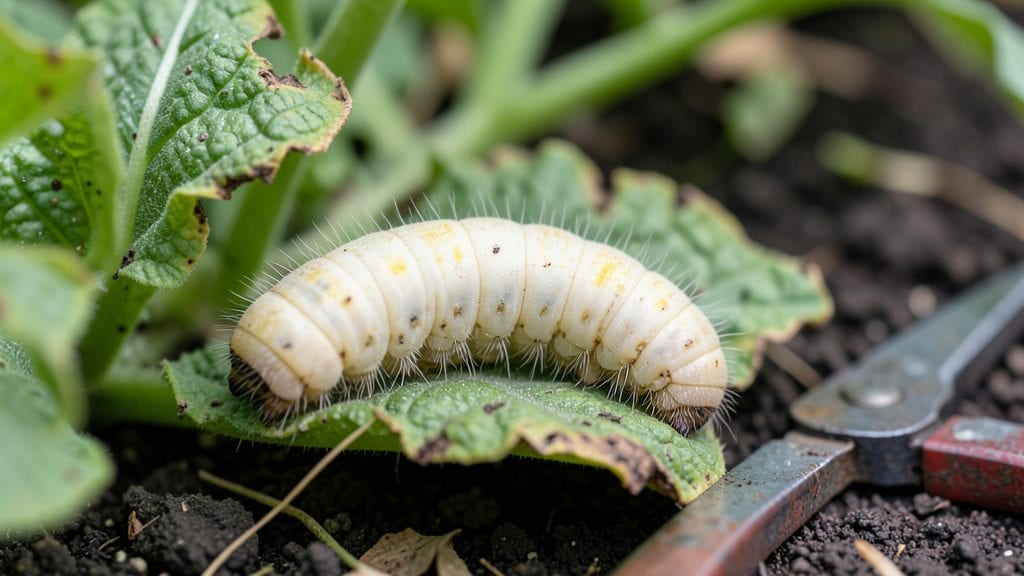
Those destructive large garden grubs can devour your lawn in a single night, and after years of testing, I’ve finally found the most effective solutions to protect it. These C-shaped pests burrow through roots, leaving behind brown patches that look like drought damage—even when the soil is soaked.
The key? Catching them early before they multiply into an army.
Most gardeners reach for chemical sprays first, but I’ve had better luck with targeted, organic methods that don’t harm pollinators or future plantings.
Think of it like a three-pronged attack: disrupt their lifecycle with nematodes, lure them out with beer traps or cardboard baits, and invite their natural predators—birds, toads, and ground beetles—to move in. It’s not instant, but it’s sustainable.
By the time you spot the first signs—wilting grass, tunnels in the soil, or moles digging up your yard—you’ll already have a plan in place. The grubs won’t stand a chance against a combination of healthy soil, strategic traps, and a little patience.
Your lawn will bounce back greener than ever, and you’ll skip the harsh chemicals.
This works for lawns, vegetable patches, and flower beds alike, whether you’re dealing with a small patch or a full-blown infestation. Let’s get those grubs out of your garden for good.
Root Causes of Soil Invaders
Large, wriggly grubs tunneling through your garden aren’t just a nuisance—they’re a sign your soil’s ecosystem is out of balance. Understanding why these pests thrive helps you disrupt their life cycle before they devastate your plants.
Below, we break down the key triggers, from environmental factors to human habits that turn your yard into a grub buffet.
Grubs—larvae of beetles like the Japanese beetle or June bug—love nitrogen-rich soil. When you over-apply synthetic fertilizers (especially those high in nitrogen), you’re essentially feeding the next generation of soil invaders. Here’s why:
- Grass becomes too lush: Thick, soft blades are perfect for beetle eggs. Female beetles lay eggs in late summer, and moist, fertilized soil gives them the ideal hatchery.
- Microbe imbalance: Synthetic fertilizers can kill beneficial soil microbes, leaving grubs with no natural predators (like nematodes or ground beetles) to keep their populations in check.
- Delayed decomposition: Excess nitrogen speeds up grass growth but slows organic matter breakdown, creating a grub-friendly layer of half-digested plant material.
Actionable fix: Switch to slow-release, organic fertilizers (like compost or worm castings) and test your soil’s nitrogen levels before applying anything. Aim for 0.5–1.0% nitrogen—any higher is a grub magnet.
Grubs need moisture to survive, but most gardeners don’t realize how overwatering directly fuels their population. Here’s the science:
| Moisture Level | Grub Survival Rate | Why? |
|---|---|---|
| Dry soil (below 10% moisture) | ❌ Low (eggs desiccate) | Lack of hydration prevents egg hatching and larval development. |
| Ideal moisture (15–25%) | ✅ High (peak growth) | Perfect for egg-laying and tunneling—grubs thrive in damp, aerated soil. |
| Waterlogged soil (30%+) | ⚠️ Moderate (but risky) | Lack of oxygen stresses grubs, but beetles still lay eggs in flooded areas, leading to secondary rot. |
Actionable fix:
- Water deeply but infrequently—aim for 1–1.5 inches per week (including rain).
- Improve drainage with sand or organic matter (like peat moss) in heavy clay soils.
- Avoid drip irrigation on lawns—focus on plant roots instead.
Healthy soil is a food web, not just dirt. When natural predators vanish, grubs multiply unopposed. Here’s what’s usually missing:
- Beneficial nematodes (Steinernema carpocapsae): Microscopic worms that paralyze and kill grubs by burrowing into their bodies.
- Ground beetles: Voracious hunters that eat 50+ grubs per beetle per season.
- Birds and toads: They target grub-heavy areas, but pesticides or habitat loss scares them away.
Why do predators disappear?
- 🚫 Broad-spectrum pesticides: Kill both pests and their predators (e.g., neonicotinoids wipe out nematodes).
- 🏗️ Compacted soil: Reduces oxygen, making it harder for nematodes and beetles to move.
- 🌳 Monoculture lawns: No diversity = no food for predator species.
Actionable fix: Introduce predator-friendly habitats:
- Plant native wildflowers (like dandelions or clover) to attract ground beetles.
- Apply beneficial nematodes in early spring or fall (follow package rates).
- Avoid chemical pesticides—opt for milky spore powder (a natural bacteria that targets grubs).
Grubs don’t strike randomly—they follow environmental cues. Here’s when they’re most active:
- Late summer (July–August): Beetles emerge to mate and lay eggs in warm, moist soil.
- Fall (September–October): Eggs hatch into grubs, which feed aggressively before winter.
- Spring (April–May): Grubs pupate into beetles, then surface to cause damage to foliage.
Climate factors that worsen outbreaks:
- Mild winters: Grubs survive longer without freezing.
- Heavy spring rains: Softens soil, making it easier for beetles to dig and lay eggs.
- Drought followed by sudden water: Stress weakens plants, and grubs move in to feed.
Actionable fix:
- Monitor beetle activity in late summer—if you see skeletonized leaves, treat soil, not the beetles.
- Use grub-resistant grass varieties (like tall fescue or Kentucky bluegrass).
- Apply preventative nematodes in early fall before eggs hatch.
Natural Ways to Eliminate Garden Grubs
Now that you understand why those pesky large garden grubs are wreaking havoc on your plants, it’s time to take action! The good news? You don’t need harsh chemicals to keep them in check.
Below, we’ll break down targeted solutions based on the root cause—whether it’s soil health, overwatering, or organic debris—and share prevention tips to keep your garden thriving long-term.
If your soil is compacted, nutrient-poor, or waterlogged, grubs will thrive like uninvited guests at a buffet. Improve soil structure to make it less appealing—and more hospitable to beneficial organisms.
🌱 Step 1: Aerate and Loosen the Soil
Grubs love soft, moist soil where they can burrow and feast. Break up compacted areas with a garden fork or aerator to disrupt their tunnels. - How to do it: Insert the fork 6–8 inches deep and wiggle it side to side.
Focus on lawn edges, garden beds, and mulched areas. - Pro tip: 💡 Do this in early spring or fall when grubs are most active but before they pupate.
🍄 Step 2: Add Beneficial Microbes & Compost
Healthy soil = fewer grubs. Boost microbial activity with compost, worm castings, or mycorrhizal fungi to crowd out grub-friendly conditions.
- Best amendments:
- Compost (homemade or store-bought)
- Biochar (improves drainage and microbial life)
- Neem cake (natural fungicide that repels grubs)
- How much? Mix 1–2 inches into the top 6 inches of soil.
💧 Step 3: Adjust Watering Habits
Grubs need consistently moist soil to survive. Reduce irrigation in problem areas, especially in the evening when soil stays damp overnight.
- Water deeply but less often (1–2 times per week).
- Use drip irrigation to avoid oversaturating the soil.
Leaves, grass clippings, and wood chips create grub paradise—moist, shaded, and full of food. Remove hiding spots without harming your garden’s ecosystem.
🧹 Step 1: Rake Up Debris (But Save Some!)
Grubs love thick mulch layers (over 3 inches). Reduce mulch depth in high-risk areas while keeping some to protect plant roots.
- What to remove:
- Piles of leaves or grass clippings near plants
- Old wood chips or bark that’s breaking down
- What to keep:
- A 1–2 inch layer of mulch (use cedar or pine—they repel some pests naturally).
🪰 Step 2: Use Physical Barriers
If grubs are attacking specific plants, create a barrier to block their access.
- How to do it:
- Bury copper tape (1–2 inches deep) around garden beds—grubs dislike the metal.
- Place cardboard or hardware cloth under mulch to block egg-laying adults.
🐛 Step 3: Introduce Natural Predators
Let nature do the work! Encourage grubs’ enemies to move in:
- Birds (robins, starlings, and thrushes love eating grubs).
- Install birdhouses or sucker feeders near your garden.
- Ground beetles & toads (they hunt grubs at night).
- Leave small patches of bare soil or log piles for them to hide in.
- Beneficial nematodes (Heterorhabditis bacteriophora)—microscopic worms that kill grubs naturally.
- How to apply: Mix with water and spray on soil in the evening (they die in sunlight).
If grubs are already causing damage, set traps to lure and eliminate them without toxins.
🍎 Apple Cider Vinegar Trap (Simple & Effective)
Grubs are attracted to sugary, fermenting scents.
A DIY trap can catch them in a jar. - What you’ll need: - A glass jar (16 oz or larger) - Apple cider vinegar - A little sugar (1–2 tbsp) - Duct tape or string - How to set it: 1.
Mix vinegar + sugar in the jar until dissolved. 2. Bury the jar neck-down in the soil (grubs will crawl in). 3. Check every 2–3 days and dispose of trapped grubs.
🥘 Beer Trap (Old-School but Reliable)
Grubs are drown-prone and will fall into a shallow beer pit.
- What you’ll need:
- Beer (any kind)
- A small container (yogurt cup, tuna can)
- A rock (to weigh it down)
- How to set it: 1.
Fill the container ¾ full with beer. 2. Bury it flush with the soil and weigh it down. 3. Check daily—grubs will drown within hours.
🔪 Diatomaceous Earth (DE) Dust (Safe & Long-Lasting)
Food-grade DE is a non-toxic powder that dehydrates grubs on contact.
- How to apply:
- Sprinkle a thin layer around plant bases, mulch edges, and lawn borders.
- Reapply after rain (it loses effectiveness when wet).
- Avoid breathing it in—wear a mask when applying.
The best defense? Prevent grubs from laying eggs in the first place.
🌡️ Timing Is Everything: Treat in Early Season
Grubs hatch from June beetle eggs laid in late spring/early summer. Disrupt their life cycle with:
- Milky spore powder (Bacillus popilliae)—a natural bacteria that kills grubs over time.
- Apply in spring to lawns and garden beds.
- Beneficial fungi (Beauveria bassiana)—spray on soil to infect grubs.
🎯 Plant Grub-Repelling Companions
Some plants naturally deter grubs with strong scents or toxic compounds.
- Best options:
- Marigolds (contain pyrethrin, a natural insect repellent)
- Chives & Garlic (grubs avoid their sulfur smell)
- Thyme & Oregano (drought-tolerant and grub-resistant)
🚫 Avoid Over-Fertilizing with Nitrogen
Grubs love lush, green grass—too much nitrogen makes your lawn a buffet.
- Switch to slow-release fertilizers (like compost or worm tea).
- Mow high (3–4 inches) to stress out grubs—shorter grass = easier digging.
For maximum grub control, use a multi-pronged approach:
- Improve soil health (aerate + compost).
- Set traps (beer or vinegar) in high-risk areas.
- Encourage predators (birds, nematodes, beetles).
- Prevent future infestations (plant repellents + milky spore).
With these natural, chemical-free strategies, you’ll outsmart grubs and keep your garden healthy, thriving, and pest-free—without harming pollinators or your family! 🚀
Frequently asked questions about garden grubs
What are the most common types of large garden grubs?
You’ll most likely encounter white grubs (larvae of June bugs or Japanese beetles) or scarab grubs, which are C-shaped and creamy white. These are the culprits behind chewed lawn roots and wilting plants. Look for them in moist soil during late summer or fall when they’re most active.
How do I know if my plants are being damaged by grubs?
Check for brown patches that pull up easily (roots are eaten away), tunnels in the soil, or moles digging up your yard. If you see these signs, dig up a small section—you’ll likely find fat, white grubs feasting on roots.
Are beer traps really effective for catching grubs?
Yes! Grubs are attracted to fermenting scents and will drown in a shallow beer pit. Bury a small container (like a yogurt cup) filled with beer, flush with the soil. Check daily—grubs will fall in and die within hours. This works best in late summer when grubs are near the surface.
Can I use diatomaceous earth (DE) on my vegetable garden?
but use food-grade DE only! Sprinkle a thin layer around plant bases and mulch edges—it dehydrates grubs on contact. Just reapply after rain (it loses effectiveness when wet) and wear a mask to avoid inhaling the dust.
How long does it take for milky spore to work against grubs?
Milky spore (Bacillus popilliae) isn’t instant—it can take 1–3 years to fully establish in your soil. Start applying it in early spring, and you’ll see gradual improvements as the bacteria spreads. It’s a long-term solution, not a quick fix.