
Tools
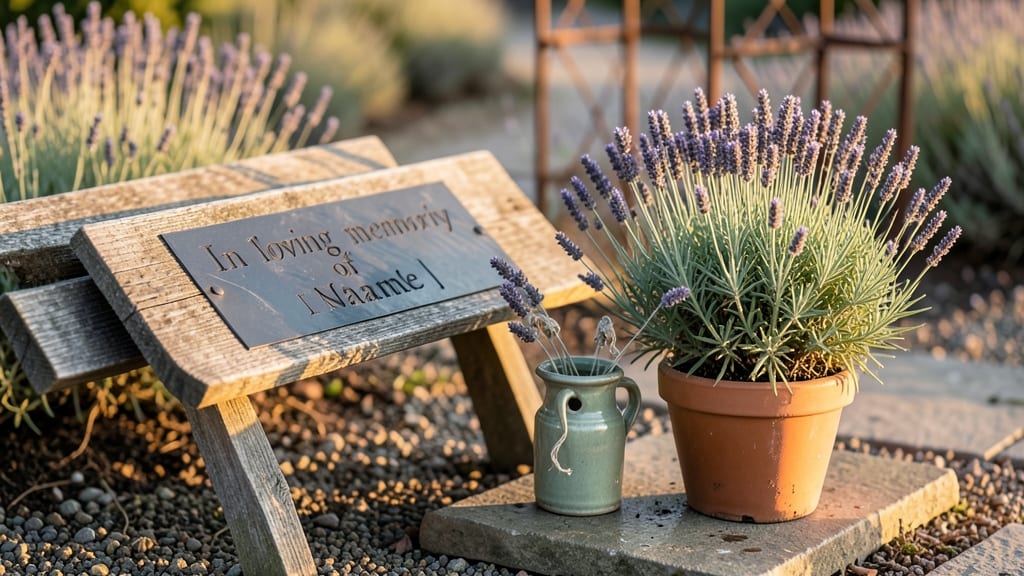
A memorial bench garden transforms quiet corners into living tributes that grow more beautiful with each season. 🌿 I learned this when my grandmother’s garden became her final resting place—a spot where flowers now bloom exactly where she loved to sit.
The right plants and materials turn a simple bench into a sanctuary that tells a story through petals, textures, and quiet spaces.
Start with low-maintenance perennials like lavender or Russian sage—they thrive with minimal care and fill the air with fragrance. Pair them with flowering shrubs such as camellias or hydrangeas for year-round color, and consider evergreens like boxwood for structure.
For the bench itself, natural stone or weathered wood blends seamlessly into the landscape, while engraved plaques or custom metalwork add personal touches.
You’ll create a space that feels like a hug from nature—soft enough to sit in, fragrant enough to remember by, and sturdy enough to last decades. The key is balancing practicality with emotion: durable materials that won’t fade, plants that require little fuss, and a layout that invites lingering.
Every element should whisper their name when the wind rustles the leaves.
This works for any garden size, from a small backyard nook to a sprawling landscape. Whether you’re planting for a parent, a friend, or yourself, the goal is the same: a place where memories grow as lushly as the garden around it. Let’s make it meaningful—and lasting.
📚 In This Guide
- What you need
- Instructions
- Tips and common mistakes
- Wrapping up and next steps
What you need
- ○ Bench: A sturdy, weather-resistant bench (wood, metal, or composite). Optional: Custom engraving or plaque for personalization.
- ● Soil: 2–3 bags of high-quality garden soil (or potting mix if using containers). Pro tip: Mix in compost (1 part compost to 3 parts soil) for nutrient-rich growth! 🌱
- ● Plants: Perennials (e.g., lavender, hostas, or coneflowers) – 3–5 plants for structure.
- ● Annuals (e.g., marigolds, petunias, or pansies) – 5–10 plants for color.
- ● Ground cover (e.g., creeping thyme or clover) – 1–2 bags for texture.
- ○ Optional: Ornamental grasses (e.g., fountain grass) for movement.
- ● Mulch: 1–2 bags of organic mulch (cedar or pine) to retain moisture and suppress weeds.
- ● Decorative elements: Garden stones or pebbles – 10–20 pieces for pathways or borders.
- ● Solar-powered garden lights – 2–4 lights for ambiance.
- ○ Optional: Wind chimes, a small fountain, or a memorial plaque.
- ● Garden trowel or hand shovel
- ● Garden gloves (1 pair)
- ● Pruners or shears
- ● Wheelbarrow or bucket (for soil and plants)
- ● Measuring tape
- ● Level (to ensure the bench is stable)
- ○ Optional: String line (for marking plant spacing) or a kneeling pad for comfort.
- ● Sunlight assessment: 6+ hours of sun (adjust plants for shade if needed).
- ● Water source: Hose or watering can nearby.
- ● Bench placement: A flat, stable area (clear debris/rocks first!).
- ○ Optional: Permit check (if installing in a public space or HOA-governed area).
Step-by-Step instructions for designing a memorial bench garden
Transform a quiet corner into a peaceful tribute with this simple, heartfelt approach.
🪴 Step 1: Select Your Bench and Site
Choose a bench that reflects your loved one’s personality—whether it’s a rustic wooden seat or a sleek metal design. Place it in a spot that receives 4-6 hours of sunlight daily for most plants, but consider shade if your climate is hot. I like to position benches near existing trees or along a quiet pathway where visitors can sit and reflect.
Test the site by sitting on the bench yourself. Can you see the view your loved one enjoyed? Is there a breeze that would feel comforting? Adjust the location until it feels right—this is where memories will live. Mark the area with stakes so you don’t accidentally dig in the wrong spot.
🌱 Step 2: Prepare the Soil and Plant Beds
Clear the area of weeds and rocks, then loosen the soil to a depth of 6-8 inches using a garden fork. Add 2-3 inches of compost to enrich the soil—this ensures plants thrive without needing constant care. I like to mix in a slow-release fertilizer to give flowers a strong start, especially if the soil is poor.
Sketch a rough design on paper first. A simple semicircle around the bench works well, or you could create a winding path of plants leading to it. Leave 12-18 inches of space between the bench and planting area so visitors can walk around easily. Use a garden hose to outline the beds before digging.
☀️ Step 3: Choose Plants With Meaning
Select plants that hold special significance—perhaps flowers your loved one adored, like roses or lavender, or native plants that thrive in your climate. I recommend a mix of perennials for long-term beauty and annuals for quick color. Add a few evergreens, like boxwood or dwarf holly, for year-round structure.
Arrange plants in odd-numbered groupings (3, 5, or 7) for a natural look. Place taller plants toward the back and shorter ones in front, creating layers. Include a few fragrant plants, like jasmine or gardenias, so visitors can enjoy the scents while sitting. Water each plant deeply after planting to help roots settle.
✂️ Step 4: Add Personal Touches
Incorporate elements that honor your loved one’s life—maybe a small plaque with their name, a favorite quote engraved on a stone, or a wind chime that reminds you of their laughter. I like to add a small birdbath or fountain for soothing sounds. Use solar-powered lights to illuminate the garden at night.
Consider adding a memory table nearby where visitors can leave photos, notes, or small mementos. Keep it simple—this garden is about quiet reflection, not clutter. Mulch the beds with 2-3 inches of shredded bark to suppress weeds and retain moisture. Step back and admire your work before making final adjustments.
💧 Step 5: Maintain and Nurture the Garden
Water deeply once a week (or more in hot weather) to encourage strong root growth. I set a reminder for the first year to keep the garden thriving without it becoming a chore. Trim back dead foliage in early spring to make room for new growth, and fertilize lightly in early summer.
Visit the garden regularly—sit on the bench, talk to your loved one, and let the space evolve naturally. Over time, it will become a living tribute that grows more meaningful with each season. The key is to enjoy the process, not perfection.
Tips & tricks for designing a meaningful memorial bench garden
Creating a garden that truly honors a loved one goes beyond just planting flowers—it's about crafting a space that feels alive with memories. Here are the insights that'll help you bring your vision to life with intention and care.
Sunlight and Site Selection: The 4-6 hours of sunlight mentioned in Step 1 is crucial for most plants, but don't overlook microclimates in your yard. Test the site at different times of day—morning sun might be gentler than afternoon heat, which could affect delicate flowers. I've seen gardens thrive in unexpected spots where the light filters through trees, creating dappled patterns that add to the peaceful ambiance. Consider how the light changes with seasons too.
Soil Preparation Strategy: When loosening soil to that 6-8 inch depth in Step 2, think of it like preparing a cozy bed for your plants. I like to add a handful of mycorrhizal fungi to the compost—it's like giving your plants a helpful network of roots from day one. For clay-heavy soil, mix in some coarse sand to improve drainage, and if you have sandy soil, add extra compost to help retain moisture. This extra step makes all the difference in plant health.
Plant Selection with Purpose: In Step 3, when choosing plants, think about their symbolism as much as their appearance. For example, lavender represents devotion, while sunflowers symbolize adoration—both could be meaningful additions. I always include at least one plant that blooms in each season so there's always something to see and remember. Don't forget to consider the mature size of plants—they'll need the 12-18 inches of space you're leaving around the bench.
Personalization Without Clutter: The memory table mentioned in Step 4 is one of my favorite elements because it invites others to participate in the tribute. I recommend using a simple, weather-resistant table with a clear top so items are visible but protected. For the plaque, consider engraving a short poem or quote that reflects your loved one's spirit—something that can be read while sitting on the bench. And those solar-powered lights? They're magical at night, creating a soft glow that makes the garden feel like a sanctuary after dark.
Pro Tips for Memorial Bench Garden
- Creating a garden that truly honors a loved one goes beyond just planting flowers—it's about crafting a space that feels alive with memories.
- Sunlight and Site Selection: The 4-6 hours of sunlight mentioned in Step 1 is crucial for most plants, but don't overlook microclimates in your yard.
- Soil Preparation Strategy: When loosening soil to that 6-8 inch depth in Step 2, think of it like preparing a cozy bed for your plants.
Frequently asked questions
Got questions about creating a memorial bench garden? You’re not alone—this meaningful project often comes with practical and emotional considerations. Below, we’ve answered the most common questions to help you plan with confidence.
What’s the best time of year to plant a memorial bench garden?
The ideal time depends on your climate! In most regions, spring (after the last frost) or early fall (before the first frost) are perfect for planting perennials, shrubs, and trees. If you’re adding annuals for instant color, late spring or summer works well. Check your local frost dates to time it right.
How do I personalize the bench itself to honor my loved one?
Personalization is key! Engrave the bench with a name, date, or meaningful quote using stainless steel lettering. Add a small plaque with a photo or poem, or incorporate their favorite colors into the paint or metal finish. Some people even weave in symbols (like a heart, star, or hobby-related icon) for extra sentiment.
Can I use potted plants instead of a full in-ground garden?
Potted plants are a low-maintenance, flexible alternative—perfect for renters, small spaces, or those who want to relocate the memorial later. Opt for durable, slow-growing plants like succulents, ornamental grasses, or dwarf shrubs. Just ensure pots have drainage holes and use lightweight soil to avoid straining the bench.
What’s the easiest way to maintain a memorial bench garden?
Start with native plants and drought-tolerant species to cut back on watering. Use mulch to suppress weeds and retain moisture. Schedule quarterly checks: trim dead foliage, remove weeds, and fertilize lightly (if needed). For extra ease, choose self-cleaning bench designs with smooth surfaces and minimal crevices.
How do I protect the bench from weather damage?
Weatherproofing ensures your memorial lasts for years. Use powder-coated metal or treated wood for the bench, and apply a weather-resistant sealant annually. Elevate the bench slightly (with pavers or a base) to prevent rot or water pooling. For coastal areas, opt for marine-grade materials to resist salt corrosion.
Still unsure? Sketch a simple layout first—many nurseries offer free consultations to help you choose the right plants and materials for your space and climate!
Wrapping up and next steps
A memorial bench garden is more than just a tribute—it’s a living legacy that honors love, memory, and nature’s beauty. By thoughtfully selecting materials, plants, and personal touches, you’ve created a serene space where visitors can reflect, heal, and connect with cherished memories.
Whether you’re just starting or refining your design, every detail contributes to a meaningful sanctuary.
Now that you’re inspired, take the next step! 🌱 Start small—plant a single flower, add a bench, or sketch your vision. Your loved one’s memory deserves to flourish, and you’ve got everything you need to make it happen.