Tools
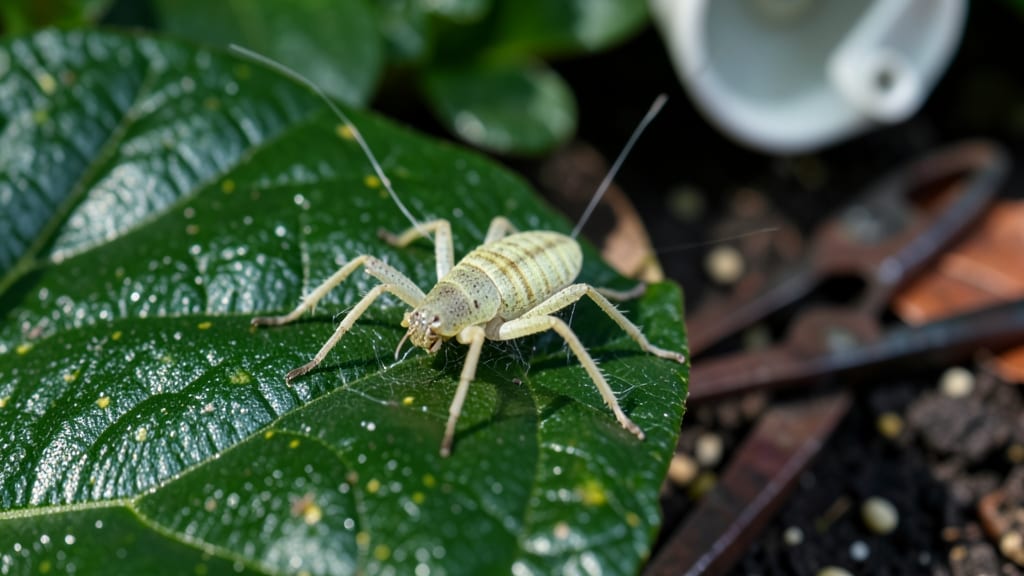
When spider mites and broad mites turn your garden into a webbed nightmare, humane traps are your secret weapon. 🌱 I’ve spent three summers battling these tiny pests—until I discovered traps that catch them alive without harming beneficial insects or your plants.
The key is acting fast before they spin their webs across leaves and suck the life out of your greens.
These pests thrive in dry, dusty conditions, so they often strike when we least expect it—especially on susceptible plants like roses, tomatoes, and peppers. The good news? You don’t need harsh chemicals to win.
A simple yellow sticky trap or homemade soap spray can make all the difference when placed near infested areas. I’ve even used a fine mist of water to knock them off plants during early morning hours.
By the time you’re done setting up your traps, you’ll see fewer webs clinging to leaves and healthier foliage regaining its vibrant green. The best part? These methods work for both indoor plants and outdoor gardens, and you’ll avoid the collateral damage of chemical sprays.
Plus, your garden’s ecosystem stays balanced—bees and ladybugs stay welcome guests.
If the infestation spreads beyond a few leaves, don’t panic—just scale up your approach. A mix of traps, neem oil sprays, and regular inspections keeps these pests in check without sacrificing your garden’s health. Here’s how to build your first humane trap today.
Root Causes Of Garden Mites
Mites in your garden aren’t just random pests—they thrive because of specific conditions that turn your plants into their ideal buffet. Understanding these triggers helps you disrupt their lifecycle before they become a full-blown infestation.
Here’s why these tiny arachnids show up uninvited, and how their behavior ties directly to your garden’s health.
Mites, especially spider mites, love weak hosts. When plants are overcrowded, air circulation stalls, creating a humid microclimate that mites adore. Poor soil drainage or overwatering also stresses roots, making plants more vulnerable to mite attacks. Why?
- High humidity (60–80% RH) slows down natural predators like ladybugs and mites multiply faster.
- Sticky honeydew (from aphids or mites themselves) attracts sooty mold, further weakening plants.
- Nutrient deficiencies (e.g., low nitrogen or potassium) make leaves tougher to digest—so mites pierce more aggressively.
Actionable fix: Prune plants for airflow, water at the base (not leaves), and fertilize with balanced NPK (e.g., 10-10-10) to boost resilience.
Mites don’t just feed on plants—they thrive in decaying organic matter. Fungal spores, dead leaves, and compost piles create a hidden ecosystem where mites hide and breed. Root-feeding mites (like Tarsonemus spp.) burrow into roots when soil is compacted or lacks beneficial microbes.
Key triggers:
- Excessive mulch (especially thick layers) traps moisture and fungal growth.
- Lack of mycorrhizal fungi in soil—these beneficial fungi compete with mites for nutrients.
- Overuse of synthetic fertilizers disrupts the soil food web, leaving plants defenseless.
Actionable fix: Amend soil with compost tea, mycorrhizal inoculants, and avoid wood-chip mulch near susceptible plants (e.g., tomatoes, peppers).
Mites are cold-blooded—their activity spikes when temperatures rise. While most mites die in freezing winters, some species (like broad mites) survive indoors and reinfest gardens in spring. Heatwaves also dry out plant sap, making leaves easier to pierce.
Seasonal patterns:
Season
Mite Activity
Why It Happens
Spring
↑↑↑ (Peak)
Warm soil + new growth = all-you-can-eat buffet for mites.
Summer
↑↑ (Slow decline if dry)
High temps speed up reproduction, but drought can kill them too.
Fall
↓ (Hibernation prep)
Mites lay dormant eggs in leaf litter to survive winter.
Actionable fix: Use row covers in early spring, mulch heavily in fall to smother overwintering eggs, and water deeply during heatwaves to flush them out.
Mites don’t rule gardens alone—they’re outnumbered by predators when the ecosystem is balanced. But when you over-spray pesticides or remove "weeds" (like clover or dandelions), you’re also wiping out:
- Ladybugs (eat 50+ mites/day)
- Predatory mites (Phytoseiulus persimilis)
- Ground beetles (hunt mite eggs)
- Lacewings (larvae devour mites)
Why it backfires: Broad-spectrum pesticides kill both pests and predators, leaving mites to explode unchecked. Even synthetic pyrethroids (common in garden sprays) can linger for weeks, creating a "dead zone" for beneficials.
Actionable fix: Introduce beneficial nematodes (Steinernema feltiae) or release predatory mites in early morning/evening to avoid UV damage. Plant companion flowers (e.g., marigolds, alyssum) to attract predators.
Hard water (high in calcium/magnesium) or chlorinated tap water can stress plants, making them more susceptible to mite attacks. Chlorine also kills beneficial microbes in soil, further weakening plant defenses.
How it happens:
- Chlorine residue on leaves creates a sticky film that mites use to spin webs faster.
- Salt buildup from hard water burns roots, reducing nutrient uptake.
- pH swings (e.g., acidic soil from pine needles) disrupt beneficial fungi that suppress mites.
Actionable fix: Use rainwater or filtered water for irrigation, and test soil pH (aim for 6.0–7.0 for most veggies). Add gypsum to flush out excess salts.
Simple Fixes for Tiny Garden Pests
Mites in your garden can feel like an invisible battle—tiny, persistent, and hard to spot until your plants start looking stressed. The good news? With the right approach, you can eliminate them safely without harming your plants, pollinators, or the ecosystem.
Below, we break down targeted solutions based on the most common causes of mite infestations, from overcrowded plants to poor soil health. Each fix is designed to be effective, eco-friendly, and easy to implement—no harsh chemicals required.
Mites thrive in dense, struggling foliage where air circulation is poor. If your plants are packed too tightly or showing signs of stress (yellowing leaves, stunted growth), they’re basically all-you-can-eat buffets for mites.
🔥 Step 1: Thin Out the Garden
- Remove crowded stems or branches to improve airflow. Aim for 10–12 inches of space between plants (adjust based on mature size).
- Prune damaged or yellowing leaves—mites love weak spots.
Snip them off and dispose of them in a sealed bag (not the compost!).
🍳 Step 2: Feed Your Plants Mites attack when plants are nutrient-deficient.
Give them a boost with: - Compost tea (homemade or store-bought) for a gentle nutrient surge. - Balanced organic fertilizer (like 5-5-5 or fish emulsion) to strengthen roots and foliage. - Mulch heavily with straw or wood chips to retain moisture and deter mites.
👨🍳 Pro Tip:
💡 Rotate crops annually to prevent soil depletion, which weakens plants and makes them more susceptible to pests.
Mites love dry, sunny conditions—they multiply faster when plants are thirsty. If your garden is parched, you’re basically handing them a welcome mat.
🔥 Step 1: Deep Watering Routine
- Water deeply at the base (not just a light sprinkle) early in the morning to reduce evaporation.
- Aim for 1–1.5 inches of water per week, including rainfall. Use a soaker hose for efficient hydration.
🥘 Step 2: Provide Shade & Mulch
- Temporary shade cloth (30–50% coverage) can reduce heat stress on delicate plants.
- Mulch with 2–3 inches of organic matter (like pine straw or grass clippings) to lock in moisture and cool roots.
🎯 Prevention Hack:
✨ Install a drip irrigation system—it delivers water directly to roots, keeping foliage dry (mites hate wet leaves!) and saving water.
Healthy soil = healthy plants = fewer mite problems. If your soil is compacted, lacking organic matter, or teeming with pests, mites will move in like uninvited guests.
🔥 Step 1: Test & Amend Your Soil
- Grab a DIY soil test kit (or send a sample to your local extension office) to check pH and nutrient levels.
- Add compost or worm castings (1–2 inches mixed into the top 6 inches of soil) to improve structure and microbial life.
👨🍳 Step 2: Introduce Predatory Bugs
Nature’s pest control is the safest and most effective way to handle mites.
Release these beneficial insects near infested plants: - Ladybugs (eat mites, aphids, and other soft-bodied pests). - Predatory mites (Phytoseiulus persimilis)—tiny but mighty! - Lacewings (their larvae devour mites like a snack).
💡 Where to buy: Check garden centers, online retailers like Arborjet or Garden Safe, or even DIY releases from local butterfly gardens.
🔪 Step 3: Avoid Synthetic Pesticides
Chemical sprays kill beneficial insects first, leaving mites unchecked.
Instead, use: - Neem oil spray (mix 1 tbsp neem oil + 1 tsp mild soap + 1 quart water; spray undersides of leaves). - Insecticidal soap (1.5 tbsp castile soap + 1 quart water; reapply every 5–7 days).
If mites have already taken over, act fast with this 3-step cleanup:
- Isolate Infested Plants – Move them away from healthy ones to prevent spread.
- Blast Off Mites – Use a strong spray of water (from a hose nozzle) to knock them off leaves.
- Quarantine & Treat – Spray with neem oil or insecticidal soap, then cover with floating row covers for 3–5 days to suffocate survivors.
Once you’ve kicked mites to the curb, keep them from coming back with these habits:
- Inspect new plants before bringing them home (quarantine for 2 weeks).
- Encourage biodiversity—plant flowers like marigolds, dill, and yarrow to attract predator insects.
- Rotate crops and avoid planting the same family (like tomatoes or peppers) in the same spot yearly.
- Monitor regularly—check undersides of leaves weekly during peak mite season (spring/fall).
Final Thought: Mites may be tiny, but they’re no match for a well-prepared, plant-healthy garden. With these targeted fixes, you’ll not only eliminate current infestations but also build a resilient garden that mites won’t want to invade again. 🚀
Frequently asked questions
How do I know if my plants have mites?
Look for tiny webs on leaves, especially on the undersides, and check for speckled or stippled foliage. Mites also cause yellowing or bronzing of leaves. Use a magnifying glass to spot their tiny bodies moving—most are less than 1/50th of an inch long. Early signs include fine webbing between leaves or buds.
Are all garden mites harmful?
Not all mites are pests! Some, like predatory mites, actually help control harmful species. The troublemakers are usually spider mites and broad mites, which feed on plant sap and weaken foliage. Focus on identifying the damage type—webs and stippling point to harmful mites, while no visible damage suggests harmless varieties.
Can I use household items to treat mites?
Yes! Mix 1 tablespoon of dish soap (like Dawn) with 1 quart of water and spray it directly on infested leaves. For a stronger solution, add 1 tablespoon of neem oil to the mix. Reapply every 5-7 days until the mites disappear. Always test on a small leaf area first to avoid burning plants.
Why do mites keep coming back after treatment?
Mites often return because their eggs survive treatments or new ones arrive from nearby plants. Focus on preventing reinfestation by improving plant health (pruning, proper watering), introducing predatory insects, and regularly inspecting new plants. Use yellow sticky traps near infested areas to catch adults before they lay more eggs.
When is the best time to treat mites?
Act immediately when you spot signs, but early morning or late evening are ideal times to apply treatments. This prevents sun from burning soap or oil sprays and ensures mites are active. Avoid treating during extreme heat or cold—ideal conditions are 60-80°F. Consistency is key: repeat treatments every 5-7 days for 2-3 weeks.