Pests
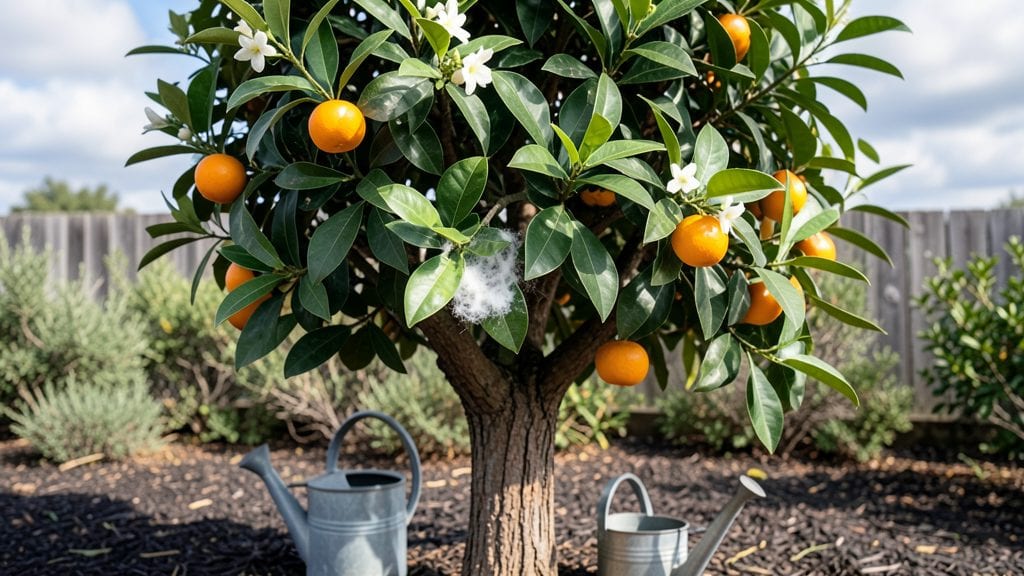
That bright orange fungus creeping through your garden isn’t just unsightly—it’s a sign your soil’s trying to tell you something. 🌱 I’ve wrestled with this stubborn growth in my own yard, and the key isn’t just removing it but doing so without poisoning the tiny ecosystem beneath your plants.
The wrong move can leave your soil lifeless, but the right approach keeps beneficial microbes thriving while kicking the fungus out for good.
Most gardeners grab for harsh chemicals first, but that’s like swatting a fly with a sledgehammer. Orange fungus thrives in damp, compacted soil with poor drainage, so the real fix starts with airflow and moisture control.
My go-to method uses a mix of vinegar-based sprays for immediate relief and wood chip mulch to break the cycle long-term—no soil sterilization required. It’s not about eradicating all fungi (some are your friends!), but balancing the good and the bad.
You’ll see results within 2-3 weeks of consistent care: fewer bright orange patches, healthier plants, and soil that stays alive instead of dead. The secret’s in the details—like targeting only the fungus, not your host plants, and choosing resistant varieties for high-risk areas.
Think of it as a garden detox that leaves your soil richer, not ravaged.
Works for lawns, veggie patches, and even citrus trees—just adjust the approach based on what’s affected. The goal isn’t a sterile battlefield but a living, breathing soil ecosystem that outcompetes the invaders naturally. Let’s get your garden back in balance without the collateral damage.
Root Causes Of Fungal Growth
When you spot that unsettling orange hue creeping through your garden beds or potted plants, it’s rarely a coincidence—it’s a sign of underlying conditions favoring fungal proliferation. Understanding these triggers is the first step toward prevention and humane removal.
Below, we break down the key factors that turn your soil into an unintentional fungus garden.
Fungi thrive in damp, oxygen-deprived environments—think of them as the water-loving cousins of your garden. When soil stays soggy for extended periods, spores germinate and spread rapidly. This isn’t just about heavy rainfall; even overwatering, poor drainage, or containers without drainage holes create the perfect breeding ground.
Why it happens:
- Poor aeration: Compacted or clay-heavy soil traps moisture and limits airflow, which fungi love. Without oxygen, beneficial microbes struggle, while pathogens like Arthrobotrys (a common orange fungus) dominate.
- Waterlogging: Roots deprived of oxygen release sugars into the soil, acting as a fungal buffet. Orange fungi often appear near stressed plants, feeding on these easy nutrients.
- Irrigation habits: Drip systems or overhead watering that keep foliage wet for hours create a humid microclimate, ideal for spore dispersal.
Actionable fix: Test your soil’s moisture retention (aim for 60% porosity) and amend with perlite or sand if drainage is poor. Water deeply but infrequently—morning is best to allow foliage to dry by night.
Fungi are nature’s recyclers, breaking down dead plant material. But when organic matter accumulates faster than it decomposes, the process spirals out of control—leading to visible orange mats or webbing. This often happens in:
- Compost piles left too wet or unturned
- Mulch layers thicker than 2–3 inches
- Gardens with excessive leaf litter or grass clippings
Why it happens:
| Cause | Fungal Response | Visual Clue |
|---|---|---|
| High nitrogen from fresh manure or food scraps | Fungi outcompete bacteria, creating orange mycelial networks (like Mortierella species). | Bright orange webbing on soil surface or buried roots. |
| Low carbon (e.g., too many greens in compost) | Slow decomposition → anaerobic pockets where fungi like Trichoderma thrive. | Musty odor + orange crusts under mulch. |
| Buried wood or plant debris | Cellulose-loving fungi (e.g., Ophiocordyceps) colonize, turning wood orange. | Soft, spongy wood with orange fuzz. |
Actionable fix:
- ✅ Balance your compost: Use a 30:1 carbon-to-nitrogen ratio (e.g., browns like straw + greens like veggie scraps).
- ✅ Turn compost regularly: Aerate weekly to prevent anaerobic zones.
- ✅ Remove thick mulch: Keep layers 2–3 inches max and use chunky materials (e.g., wood chips) to improve airflow.
Fungi are not fans of extremes—but they do adore moderate warmth and humidity. Orange fungal growth often peaks in:
- Spring (50–70°F / 10–21°C) when soil warms but stays damp
- Fall (60–75°F / 15–24°C) with lingering moisture
- Greenhouses or shaded areas where humidity hovers above 70%
Why it happens:
- Optimal spore germination: Most soil fungi germinate between 60–80°F (15–27°C). Orange hues often appear when temps hover in this range plus soil moisture is high.
- Humidity >70%: Spores hitchhike on air currents or splashing water. Greenhouses or dense plantings trap humidity, accelerating spread.
- Day-night temperature swings: Cool nights slow evaporation, keeping soil damp longer—perfect for fungal growth.
Actionable fix:
- 🌡️ Monitor microclimates: Use a soil thermometer to track temps; aim for ideal ranges (60–75°F) with good airflow.
- 💨 Improve ventilation: Space plants for airflow, use fans in greenhouses, or prune to reduce humidity.
- ☀️ Leverage sunlight: Orange fungi hate UV exposure. Thin canopies or move containers to sunnier spots.
Plants under stress signal fungi to move in—like a distress flare for decomposers. Common triggers include:
- Root damage (from transplant shock or pests)
- Nutrient deficiencies (e.g., phosphorus or potassium)
- Disease or pest infestations (e.g., aphids exuding honeydew)
Why it happens:
- Root exudates: Stressed roots leak sugars and amino acids, which fungi consume like candy. Orange fungi often appear near weakened roots.
- Pest-fungus partnerships: Some fungi (like Beauveria) form symbiotic relationships with insects. When pests damage plants, fungi move in to feed on the aftermath.
- Imbalanced soil microbes: Overuse of synthetic fertilizers or fungicides can kill beneficial microbes, leaving fungi as the dominant decomposers.
Actionable fix:
- 🌿 Boost plant resilience: Use compost tea or mycorrhizal fungi to strengthen roots.
- 🔍 Check for hidden pests: Inspect leaves/stems for aphids, mites, or root-knot nematodes.
- 🧪 Test soil health: Aim for a balanced pH (6.0–7.0) and add biochar or worm castings to restore microbial diversity.
Pro Tip: 💡 Orange fungi aren’t always bad! Some (like Trichoderma) are beneficial, suppressing harmful pathogens. The key is balance—focus on preventing excess rather than eradicating all fungi.
Fixing Fungal Overgrowth Safely
Fungal growth in your garden—like that pesky orange fungus—can feel like a stubborn houseguest that won’t leave. But the good news? You can tackle it without sacrificing your soil’s health or the beneficial microbes living there.
Below, we’ll break down practical, humane solutions tailored to the root causes, from overwatering to poor airflow, plus prevention tips to keep your garden thriving.
If your soil stays soggy for too long, fungi like Armillaria (the orange shelf fungus) thrive in the damp, dark conditions. Here’s how to dry it out and prevent future outbreaks:
- 🔥 Reduce Watering Immediately Let the top 2–3 inches of soil dry out between waterings. Use a moisture meter or stick your finger in—if it’s damp past your first knuckle, wait.
- 🏗️ Improve Drainage Amend heavy clay soil with compost, perlite, or coarse sand (1 part amendment to 3 parts soil). For container gardens, ensure pots have drainage holes and elevate them slightly.
- 🌡️ Adjust Watering Times Water early in the morning so excess moisture evaporates during the day. Avoid evening watering, which traps humidity near the soil.
- 💡 Pro Tip: If your garden has low spots, consider grading the soil or installing a French drain to redirect water away from fungal hotspots.
Fungal spores love hiding in thick mulch, fallen leaves, or crowded plants. Break the cycle with these steps:
- 🍂 Remove Infected Debris Collect and compost (in a hot bin) or bag and discard any orange fungal growth, dead plants, or thick mulch layers. Do not leave it on-site—spores can reinfect.
- 🌱 Thin Out Plants Prune back overgrown foliage to improve airflow. Aim for 3–4 inches of space between plants to let sunlight and air circulate.
- ✂️ Mulch Smartly Use straw, pine needles, or wood chips (but keep them 2–3 inches away from plant stems). Avoid thick layers that trap moisture.
Fungi love heat and humidity. If your garden is a sauna, it’s time to cool things down:
- 🌬️ Boost Airflow Install a small fan near affected areas (especially in greenhouses or shaded spots) to reduce humidity. Even a gentle breeze from rearranging plants can help.
- ☀️ Increase Sunlight Prune nearby trees or structures to let more sunlight reach the soil. UV light naturally inhibits fungal spores.
- 🌧️ Use Shade Cloth (If Needed) In extreme heat, 30–50% shade cloth can prevent soil from overheating while still allowing airflow.
If the orange fungus is already established, act carefully to avoid spreading spores:
- 🧹 Scrape It Off Gently Use a putty knife or stiff brush to remove fungal growth from wood, tools, or plant bases. Do not compost—bag it in a sealed plastic bag first.
- 🧴 Apply Fungicidal Sprays (Sparingly) For stubborn cases, mix 1 tsp baking soda + 1 quart water + a few drops of soap (as a surfactant). Spray only the affected areas—avoid oversaturating the soil.
- 🔪 For Wooden Structures Sand or burn (safely!) infected wood to remove spores. Treat with vinegar (50/50 mix with water) or copper-based fungicide (follow label instructions).
An ounce of prevention is worth a pound of cure. Here’s how to stop fungal growth before it starts:
- 💡 Rotate Crops & Plants Avoid planting the same species in the same spot yearly. Fungi can linger in the soil—rotate families (e.g., tomatoes → beans → squash).
- 🌱 Strengthen Plant Immunity Feed plants with compost tea or liquid seaweed (1–2 tbsp per gallon of water) to boost natural defenses.
- 🚫 Avoid Over-Fertilizing with Nitrogen Too much nitrogen = soft, weak plants = fungal buffet. Use a balanced fertilizer (10-10-10) or organic options like worm castings.
- 🧹 Sterilize Tools Regularly Wipe pruners, trowels, and rakes with rubbing alcohol (70% or higher) between uses to prevent spore transfer.
- 🌿 Introduce Beneficial Fungi & Bacteria Add mycorrhizal fungi (available as powder or granules) to your soil. These good guys outcompete harmful fungi for resources.
Final Thought: Orange fungus might look alarming, but with these targeted fixes, you can reclaim your garden without harming the soil ecosystem. Start with drainage and airflow, then layer in prevention—your plants (and your sanity) will thank you! 🌱✨
Frequently asked questions
Is orange fungus always harmful to my garden?
Not necessarily! Many orange fungi are harmless decomposers that break down organic matter. However, some varieties (like Armillaria) can spread aggressively and harm plant roots. The key is balance—focus on removing excessive growth while preserving beneficial soil microbes. Always identify the type before treating.
How do I tell if my orange fungus is spreading to my plants?
Watch for wilting, yellowing leaves, or stunted growth near infected areas. Orange fungal mycelium spreading into plant stems or roots is a red flag. If you see roots covered in fuzzy orange growth, act quickly—prune affected plants and improve soil drainage immediately.
Can I use hydrogen peroxide to kill orange fungus?
Yes, but use it carefully! A 3% hydrogen peroxide solution (1 part peroxide to 3 parts water) can help kill surface spores. Spray directly on fungal growth, but avoid oversaturating soil—it can harm beneficial microbes. Reapply every 3-5 days until growth disappears.
Will vinegar really work to remove orange fungus?
A 1:1 vinegar-water mix sprayed on fungal growth disrupts its cell structure. For stubborn cases, add 1 tsp dish soap as a surfactant. Test on a small area first—vinegar may bleach some plants. Reapply weekly until the fungus recedes, then focus on improving airflow.
How long does it take to eliminate orange fungus completely?
With consistent care, you'll see noticeable improvement in 2-3 weeks. Complete eradication depends on addressing root causes (like drainage and mulch). Some deep-rooted fungi may take 4-6 weeks to fully disappear. Monitor soil moisture and airflow daily for best results.