Flowers
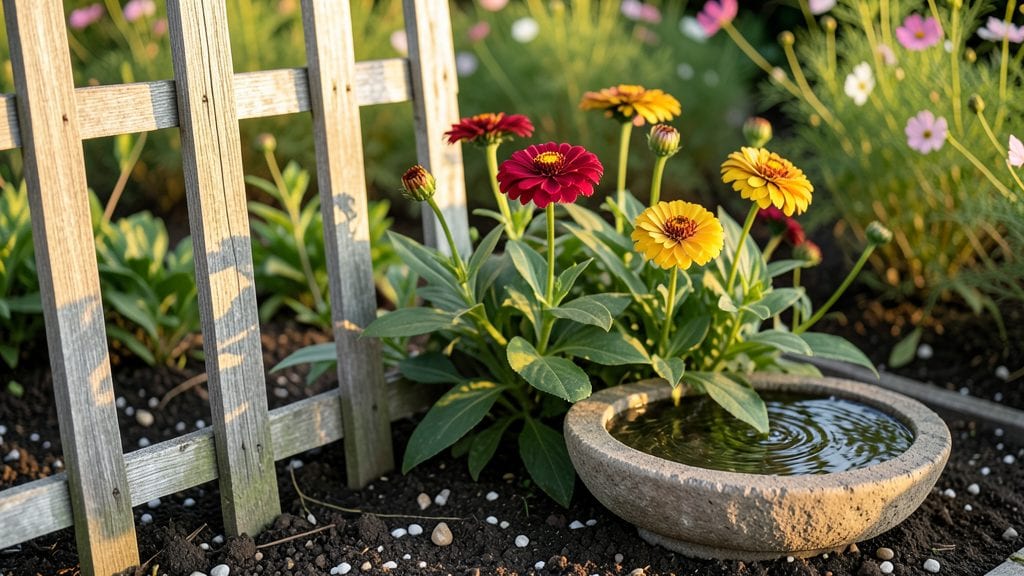
Transforming your yard into a rainbow garden of flowers is like painting with nature’s most vibrant colors—each bloom adds another stroke to your living masterpiece. 🌈 I started mine with a mix of tulips, petunias, and marigolds, and within weeks, the yard transformed into a dazzling display that neighbors couldn’t stop admiring.
The key isn’t just picking bright flowers; it’s arranging them so their colors pop against each other while keeping the layout simple enough to maintain.
You’ll need a sunny spot along a fence, walkway, or patio edge—somewhere the colors will shine. Start with a 5-foot-wide strip of soil, amended with compost for rich growth.
Choose flowers that bloom at different times (like early tulips, midseason petunias, and late marigolds) to keep the rainbow effect going from spring through fall. A few foliage plants—like silver lamb’s ear or purple basil—add texture and tie the colors together without stealing the show.
By summer’s end, your border will be a riot of color that draws bees, butterflies, and maybe even a few curious neighbors asking for cuttings. The best part? Once established, these plants need minimal care—just deadheading spent blooms and occasional watering.
Imagine stepping outside to a burst of color every morning, or clipping fresh flowers for bouquets that look like they came from a high-end nursery.
This design works in any yard size—squeeze it into a 3-foot-wide strip for small spaces or stretch it along a long fence for maximum impact. The same principles apply whether you’re planting in the ground, raised beds, or even large containers. Here’s how to make it happen without the overwhelm.
📚 In This Guide
- What you need
- Instructions
- Tips and common mistakes
- Wrapping up and next steps
What you need
- ● Rainbow Garden Flowers: 10–15 tulips (red, pink, yellow, purple)
- ● 10–15 dahlias (mixed colors)
- ● 10–15 black-eyed Susans (golden yellow)
- ● 10–15 cosmos (pink, white, or orange)
- ● 10–15 marigolds (orange, gold)
- ● 5–10 sunflowers (for height and drama)
- ● 5–10 pansies (for early spring color)
- ● Soil: 2–3 bags of well-draining garden soil (or compost mix)
- ● Mulch: 1–2 bags of organic mulch (straw or shredded bark)
- ● Fertilizer: 1 bag of slow-release flower fertilizer (10-10-10 NPK ratio)
- ● Watering Can or Hose: For consistent hydration
- ● Garden Gloves (to protect your hands)
- ● Hand Trowel (for planting)
- ● Pruners (for trimming dead blooms)
- ● Measuring Tape (to plan spacing)
- ○ Decorative Stones or Edging (optional, for a polished look)
- ● Stakes or Trellis (if adding climbing flowers like morning glories)
Step-by-Step instructions for designing a stunning rainbow flower border
Here's how to create a vibrant, low-maintenance border that bursts with color all season long.
🌱 Step 1: Plan Your Color Palette and Plant Placement
Start by sketching a simple layout on paper, dividing your border into three height tiers: back (tallest), middle, and front (shortest). I like to use a 6-foot section for each tier to create balanced visual impact. Choose plants with overlapping bloom times to ensure continuous color—think early spring bulbs transitioning into summer perennials and late-season bloomers.
For a true rainbow effect, select flowers in every color family—deep purples like clematis, fiery reds like bee balm, sunny yellows like black-eyed Susan, and soft pinks like peony. Place taller varieties at the back (like delphinium) and shorter ones at the front (like pansies). This ensures every color gets noticed without competition.
🪴 Step 2: Prepare the Soil and Plant in Layers
Dig up the soil to a depth of 12 inches and mix in 3 gallons of compost per 4-foot section to improve drainage and fertility. Rainbow borders thrive in well-draining soil, so avoid heavy clay—amend with 1 gallon of perlite if your soil feels compacted. I like to work in sections of 3 feet at a time to keep the project manageable.
Plant your tallest flowers first, spacing them 18-24 inches apart to allow room for mature growth. Next, add mid-height plants like salvia or coreopsis at 12-18 inches apart. Finish with low-growing annuals like sweet alyssum or lobelia at the front, spaced 6-12 inches apart. Water deeply immediately after planting to settle the roots.
☀️ Step 3: Provide Sunlight and Watering Balance
Most rainbow border flowers need 6-8 hours of full sun daily for optimal blooming. If your garden gets less, choose sun-tolerant varieties like coneflowers or black-eyed Susans for the back row. I group plants with similar light needs together—this prevents leggy growth or faded blooms. Monitor soil moisture weekly, watering 1-2 inches per week during dry spells.
Here's the trick: Water deeply but infrequently. Let the top 2 inches of soil dry out between waterings to encourage strong root growth. Mulch with 2 inches of shredded bark after planting to retain moisture and suppress weeds. You'll see fewer wilting leaves and more vibrant blooms within a few weeks.
✂️ Step 4: Maintain with Pruning and Seasonal Care
Deadhead spent blooms regularly to encourage continuous flowering—this means snipping off faded flowers with clean pruning shears right at the base. I do this every 2-3 weeks during peak bloom season. For perennials like daylilies, cut back foliage in early spring to make room for new growth, but leave seed heads on some plants for winter interest.
In late fall, cut back all plants to 6 inches tall and add a fresh layer of mulch. This protects roots from freeze-thaw cycles and keeps soil temperatures stable. Divide clumping perennials every 3-4 years to prevent overcrowding, which can reduce bloom quality. Your rainbow border will reward you with bigger, brighter flowers each season.
🌿 Step 5: Extend the Season with Layered Planting
For nonstop color, interplant bulbs like tulips or daffodils in early spring, then add summer-blooming perennials and late-season annuals like mums. I like to tuck in pansies in fall for winter color—they thrive in cooler weather and add pops of purple, yellow, and white. Rotate a few plants annually to keep the design fresh without replanting everything.
Watch for gaps as plants mature—fill them with quick-growing annuals like marigolds or zinnia** for instant color. The key is variety: Mix heights, textures, and bloom times so your border always has something interesting happening. Within a year, you'll have a self-sustaining rainbow that attracts pollinators and turns heads all season.
Tips & tricks for perfect rainbow garden borders
Here's how to take your rainbow flower border from good to absolutely stunning without the guesswork.
Color Placement Secret: In Step 1, when arranging your rainbow palette, place the brightest colors like bee balm and black-eyed Susan in the middle tier where they'll catch the eye immediately. The back row should feature deep purples and blues like clematis and delphinium—these colors recede slightly, creating natural depth. I've found this arrangement makes the rainbow effect pop even more dramatically.
Soil Prep Game-Changer: For Step 2, don't just amend the soil—test it first! If your soil is particularly heavy clay, mix in 2 gallons of perlite for every 4-foot section instead of just 1. The extra perlite prevents compaction and helps those deep roots establish faster. I've seen borders with poor drainage fail after just one hot summer, so take this extra step.
Watering Wisdom: The 6-8 hours of sun in Step 3 is non-negotiable, but timing matters too. Water your border in the early morning so foliage dries quickly and reduces disease risk. I've noticed that evening watering leads to more fungal issues in my own borders. Also, use a rain gauge to track your 1-2 inches per week—most people underestimate how much water they're actually giving their plants.
Maintenance Shortcut: In Step 4, when deadheading, grab a small bucket of water to rinse your pruning shears every 5-6 cuts. This prevents sap buildup and keeps your tools clean. I also mark my calendar for deadheading every 2 weeks during peak bloom—setting a reminder takes the guesswork out of this crucial step.
Pro Tips for Rainbow Garden Flowers
- Here's how to take your rainbow flower border from good to absolutely stunning without the guesswork.
- Color Placement Secret: In Step 1, when arranging your rainbow palette, place the brightest colors like bee balm and black-eyed Susan in the middle tier where they'll catch the eye immediately.
- Soil Prep Game-Changer: For Step 2, don't just amend the soil—test it first!
Frequently asked questions
Got questions about creating a dazzling rainbow garden? You’re not alone!
Here are answers to the most common queries to help you craft a border that bursts with color year after year.
Which flowers are easiest for beginners to grow in a rainbow garden?
Start with hardy, low-maintenance picks like pansies, marigolds, and cosmos. These thrive in full sun, handle light foot traffic, and bloom prolifically. For shade, try impatiens or coleus—both add vibrant splashes with minimal fuss.
How long does it take for a rainbow garden to reach full bloom?
Most annuals (like zinnias or snapdragons) burst into color in 6–8 weeks after planting. Perennials (e.g., black-eyed Susans or bee balm) may take 1–2 seasons to establish but reward you with years of effortless blooms. Plan ahead by staggering plantings!
Do rainbow garden flowers need special watering?
Not necessarily! Water deeply 2–3 times per week (more in extreme heat) to encourage strong roots. Morning watering prevents fungal issues, and mulch (like shredded bark) retains moisture. Avoid soggy soil—most rainbow flowers prefer well-draining beds.
Can I mix perennials and annuals in the same rainbow border?
Perennials (like daylilies) provide structure, while annuals (e.g., petunias) fill gaps with seasonal color. Pro tip: Place shorter annuals in front of taller perennials to create depth. Just ensure sunlight and water needs align!
Why aren’t my rainbow flowers blooming as expected?
Common culprits include over-fertilizing (too much nitrogen = leafy growth, no flowers), poor sunlight, or deadheading delays. Snip spent blooms regularly to encourage new flowers. If pests (like aphids) attack, spray with soapy water or introduce ladybugs!
How can I extend my rainbow garden’s blooming season?
Layer flowers with different bloom times: Plant spring bulbs (tulips), summer annuals (geraniums), and fall favorites (mums). Add evergreens (like heuchera) for winter interest. Succession planting (e.g., swapping out spring pansies for fall kale) keeps color going!
Wrapping up and next steps
Creating a rainbow garden filled with vibrant, season-long blooms is easier—and more rewarding—than you think! 🌈 With the right mix of perennials, annuals, and thoughtful design, your garden will burst with color year after year, attracting pollinators and lifting your spirits.
Whether you’re a seasoned gardener or just starting, every patch of soil is a chance to craft beauty that thrives.
Ready to dive in? Start small—pick 3-5 of your favorite flowers from this guide and plant them this weekend. Watch your garden transform into a living masterpiece, one petal at a time! 🌸