Shrubs
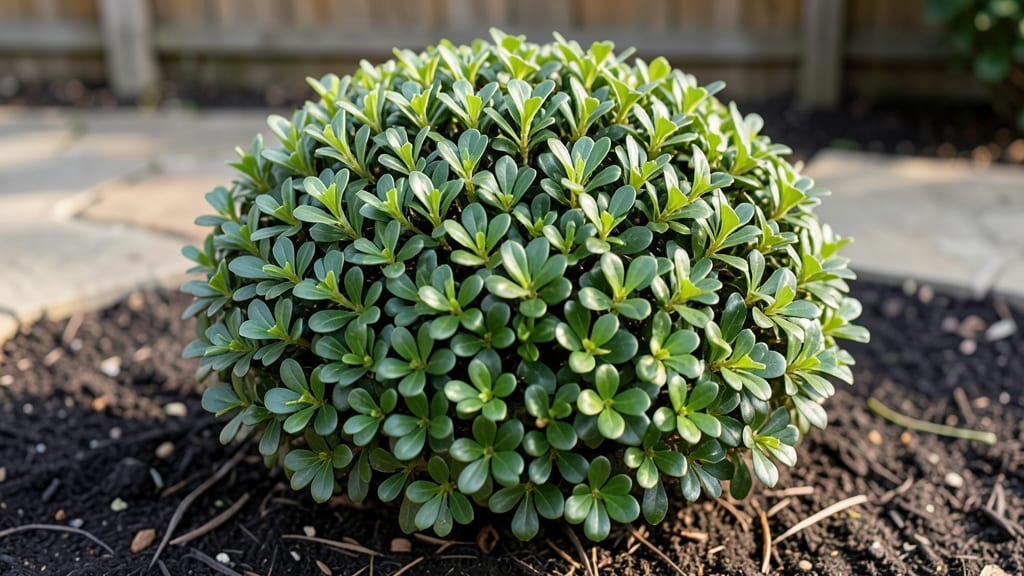
Small gardens need shrubs that deliver big impact without stealing space. My front yard transformed when I swapped sprawling plants for compact evergreens that create privacy while leaving room for a bench and potted herbs.
The key is choosing varieties that mature small but pack dense foliage—think 'Little Gem' holly or 'Dwarf Fountain' boxwood.
Layering is where small gardens get creative. Place taller shrubs like 'Emerald Gaiety' spirea along fences, then add mid-height plants like 'Blue Chip' junipers for texture, and finally ground covers like creeping thyme to fill gaps.
This creates depth visually while keeping the space functional. Maintenance stays simple with dwarf varieties that never outgrow their spots.
You'll end up with a lush, layered look that feels intentional—not cramped. The foliage provides year-round screening while letting light filter through, and the mix of textures keeps things interesting. Best of all, you can sit on that bench and enjoy the view without feeling like you're in a closet.
Works equally well for urban courtyards, narrow side yards, or even balcony planters. The same principles apply—just scale the shrubs to your space. Here's how to make it work without sacrificing style or function.
📚 In This Guide
- What you need
- Instructions
- Tips and common mistakes
- Wrapping up and next steps
What you need
- ● Shrubs (3–5 plants) – Choose compact, slow-growing varieties like Dwarf Lilac, Boxwood, or Japanese Holly. Aim for mature sizes under 3–6 feet tall and 2–4 feet wide for tight spaces.
- ● High-quality potting soil – 5–10 gallons, depending on pot sizes (opt for well-draining, organic blend like Miracle-Gro or FoxFarm).
- ● Containers or planters – 1–2 per shrub, sized 1–2 inches larger in diameter than the root ball (e.g., 12–16-inch pots for small shrubs).
- ● Slow-release fertilizer – 1–2 pellets per plant (e.g., Osmocote Smart-Release) for seasonal nourishment.
- ○ Mulch (optional but recommended) – 2–3 inches of pine bark fines or shredded leaves to retain moisture and suppress weeds.
- ● Garden trowel – For digging and transplanting.
- ● Pruning shears – Bypass-style (e.g., Felco or Fiskars) for clean cuts.
- ● Watering can or hose with nozzle – 1–2 gallons capacity for deep watering.
- ○ Gloves (optional) – Heavy-duty gardening gloves to protect hands from thorns or rough bark.
- ● Measuring tape or ruler – To ensure proper spacing (12–18 inches apart for most shrubs).
- ● Sunlight assessment – Confirm your garden’s sunlight exposure (full sun, partial shade, or full shade) to match shrub needs.
- ● Drainage check – Ensure containers have drainage holes or your in-ground area isn’t waterlogged.
- ● Weather-ready plan – Know your USDA Hardiness Zone (e.g., Zone 5–9 for most compact shrubs) and protect tender plants in frost.
- ● Patience (but not too much!) – Shrubs take 1–3 years to fill out—plan for gradual growth.
How to select and plant shrubs for small gardens
Small spaces deserve just as much privacy—here’s how to choose and plant shrubs that thrive without overwhelming your yard.
Choose Compact, Multi-Season Shrubs
For small gardens, prioritize shrubs that stay under 6 feet tall at maturity and offer year-round interest. Dwarf varieties like ‘Little Gem’ magnolia (8–10 feet but narrow) or ‘Dwarf Fountain’ boxwood (3–4 feet) deliver structure without bulk. Evergreens like ‘Emerald Green’ arborvitae provide winter privacy, while deciduous options like ‘Hot Wings’ winged euonymus add seasonal color.
Check the mature spread—some shrubs grow wider than they do tall. For example, ‘Sky Pencil’ holly stays under 2 feet wide but reaches 10 feet tall, making it ideal for vertical spaces. Always verify spacing requirements on the plant tag to avoid overcrowding.
Prepare the Planting Site
Select a spot with at least 6 hours of sunlight daily unless your shrubs are shade-tolerant (like ‘Dwarf Japanese Garden’ junipers). Dig holes twice as wide as the root ball but only as deep. Loosen the roots gently if they’re circling—this encourages outward growth instead of strangling the plant.
Amend the soil with 2–3 inches of compost mixed into the bottom of the hole. This improves drainage and provides nutrients for the first few months. Avoid adding fertilizer at planting—it can burn tender roots. Water the hole deeply before placing the shrub to settle the soil.
Plant and Stake for Support
Position the shrub so the top of the root ball sits 1 inch below soil level. This prevents the stem from drying out. Backfill with native soil, tamping lightly as you go to remove air pockets. For taller shrubs like ‘Green Giant’ arborvitae, insert a 2-foot stake at a 45-degree angle and secure with soft ties to prevent wind damage.
Water immediately after planting to help soil settle around the roots. Apply 1–2 gallons of water per shrub, enough to moisten the soil to a depth of 12 inches. Mulch with 2–3 inches of shredded bark, keeping it 6 inches away from the stem to avoid rot. This retains moisture and regulates soil temperature.
Water and Maintain Through the First Year
Water newly planted shrubs 2–3 times per week for the first month, then taper to once a week once established. Check soil moisture by sticking your finger 2 inches deep—if it’s dry, water deeply. Overhead watering can spread disease, so use a soaker hose or drip irrigation at the base.
Prune only to shape in early spring or after flowering. Avoid heavy pruning in the first year—it stresses young plants. Fertilize lightly in late spring with a balanced, slow-release fertilizer (like 10-10-10) to encourage steady growth. Monitor for pests like spider mites or scale, treating with neem oil if needed.
Plan for Layered Privacy Over Time
For maximum impact, combine shrubs with different heights and textures. Place taller varieties (like ‘Gold Mound’ spirea) at the back, mid-height shrubs (such as ‘Dwarf Fountain’ boxwood) in the middle, and low-growing ground covers (like ‘Creeping Jenny’) in front. This creates depth and hides views without sacrificing space.
Rotate shrubs every 2–3 years to fill gaps and refresh the look. For example, replace a ‘Little Gem’ magnolia with a ‘Dwarf Gardenia’ after 5 years to keep the design dynamic. Always prune in late winter to encourage new growth before the growing season begins.
Tips & tricks for perfect shrub selection and planting
Transforming a small garden into a private retreat starts with smart shrub choices and planting techniques. Here are my go-to strategies for success.
Shrub Selection Wisdom: Always check the plant tag for mature height and spread—this is where most mistakes happen. For example, a ‘Little Gem’ magnolia might be labeled as 8–10 feet tall but only 3–4 feet wide, making it perfect for narrow spaces. I've learned the hard way that ignoring spread measurements leads to overcrowding in just a few years.
Soil Preparation Secret: The 2–3 inches of compost you mix into the planting hole isn't just for nutrients—it's about creating the perfect environment for roots to establish. I recommend testing your soil first (many garden centers offer free tests) to see if you need to adjust pH or add sand for better drainage. This small step prevents years of struggling with poor growth.
Watering Strategy: Those first two weeks after planting are critical. I've found that giving 1–2 gallons per shrub immediately after planting, then following the 2–3 times per week schedule, makes all the difference. The key is watering deeply—stick your finger 2 inches down to check moisture. Shallow watering encourages shallow roots that struggle in dry spells.
Pruning Timing Tip: Never prune in late summer or fall—that's when shrubs are preparing for dormancy and can't handle stress. I always wait until late winter or early spring, just before new growth begins. This timing gives your plants the best chance to recover and grow strong for the season.
Pro Tips for Shrubs Small Garden
- Transforming a small garden into a private retreat starts with smart shrub choices and planting techniques.
- Shrub Selection Wisdom: Always check the plant tag for mature height and spread—this is where most mistakes happen.
- Soil Preparation Secret: The 2–3 inches of compost you mix into the planting hole isn't just for nutrients—it's about creating the perfect environment for roots to establish.
Frequently asked questions
Got questions about shrubs for small gardens? You’re not alone! Here are some of the most common concerns—and their answers—to help you create a lush, low-maintenance space with ease.
What are the best shrubs for year-round privacy in a small garden?
Opt for evergreen shrubs like Boxwood, Holly, or Dwarf Arborvitae for consistent coverage. For color, try Camellia (winter blooms) or Oakleaf Hydrangea (fall foliage). Layer them to create depth without overwhelming your space.
How long does it take for shrubs to grow enough to provide privacy?
Most shrubs take 2–3 years to reach full privacy potential, but faster growers like Bamboo (clumping types) or Emerald Green Arborvitae can offer partial screening in 1–2 years. Plan ahead or use temporary solutions (e.g., lattice + climbing plants) while they establish!
Do small shrubs need a lot of watering?
Newly planted shrubs need regular watering (1–2 times per week) for the first year to help roots establish. Once mature, most drought-tolerant varieties (like Lavender or Dwarf Butterfly Bush) only need watering during dry spells. Mulch helps retain moisture—just keep it 2–3 inches away from stems.
Can I mix shrubs with other plants in a small garden?
Pair shrubs with perennials (e.g., Heuchera for texture) or annuals (e.g., Pansies for color) to add variety. Just ensure the shrubs get enough light—most thrive in partial sun (4–6 hours/day). Avoid overcrowding; leave 2–3 feet between plants for airflow.
What should I do if my small shrubs are getting pests or diseases?
Start with prevention: Prune for airflow, water at the base (not leaves), and remove fallen debris. Common pests like aphids or spider mites can be treated with neem oil or insecticidal soap. For fungal issues (e.g., powdery mildew), improve drainage and avoid overhead watering. Early action is key!
Pro Tip:
Use container gardening to test shrubs before planting! Smaller pots let you experiment with placement and sunlight needs without long-term commitment. Plus, you can move them if your garden evolves.
Wrapping up and next steps
Transforming your small garden into a lush, private retreat is totally achievable with the right shrubs! Whether you love evergreens for year-round screening or vibrant blooms for seasonal charm, compact varieties pack a big punch in tiny spaces.
Start by assessing your sunlight and soil, then pick plants that suit your style—privacy, color, or texture—and watch your garden thrive.
Ready to take the next step? Sketch a quick layout of your space, measure key areas, and visit a local nursery to see these beauties in person. With a little planning, your small garden will soon feel like a cozy, green sanctuary! 🌿✨