Propagation
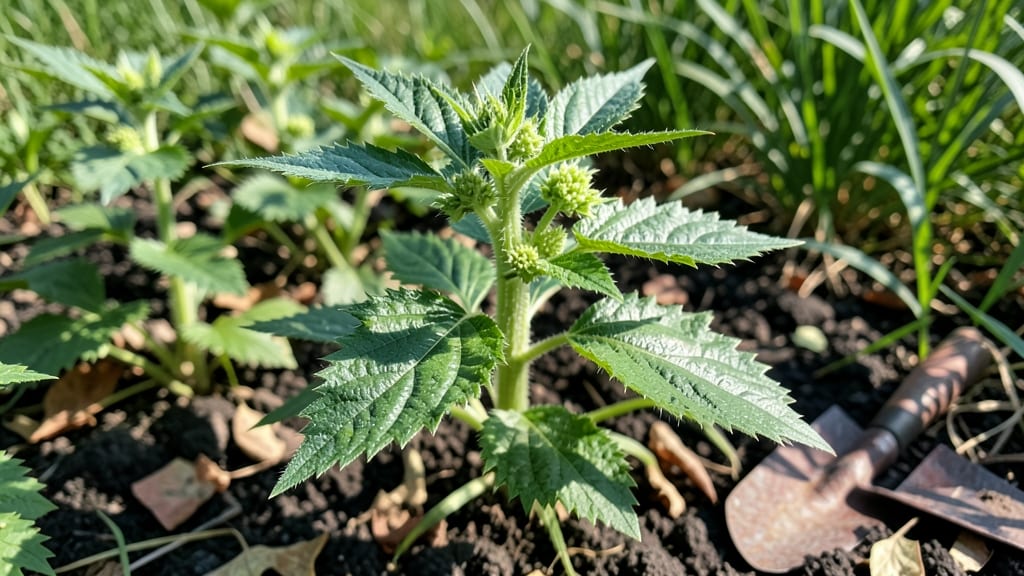
Gardening skin rash treatment starts with knowing what triggers those itchy, red patches—whether it’s poison ivy, sap, or even soil bacteria clinging to your skin.
I’ve spent years patching up my own welts after a day in the dirt, and I’ve learned the fastest way to stop the irritation before it spreads. The key is acting within 24 hours to prevent blisters and scabs that take weeks to heal.
Most rashes come from three culprits: toxic plants like poison ivy ("leaves of three, let it be"), direct sap contact (especially from milkweed or sumac), or hidden irritants in soil and mulch.
My go-to first aid kit includes a bottle of calamine lotion, a tube of hydrocortisone cream, and a spray bottle of diluted apple cider vinegar—all of which I keep by the garden gate.
Washing with cold water and mild soap within 10 minutes of exposure cuts down on severity dramatically.
For fast relief, I swear by a mix of aloe vera gel and a few drops of tea tree oil—it cools the skin, reduces swelling, and fights infection without the stinging burn of chemical treatments.
Apply it every few hours, and you’ll see the redness fade within a day or two. If the rash spreads beyond your hands or face, or if you develop fever or swelling, it’s time to see a doctor—some reactions need prescription steroids to calm down.
Prevention is easier than you think: wear long sleeves when handling new plants, rinse your skin with a vinegar-water solution after gardening, and keep a bottle of barrier cream handy for high-risk tasks. Trust me, your skin will thank you when you’re not scratching away at dinner.
How Gardening Triggers Skin Reactions
Gardening is a rewarding hobby, but it can also introduce your skin to a variety of irritants and allergens that trigger uncomfortable rashes. Understanding the root causes helps you take preventive measures and treat reactions faster. Here’s why your skin might rebel after a day in the dirt:
Some plants release phytochemicals—natural compounds that protect them from pests but can wreak havoc on human skin. These include:
- Urticating hairs: Found in plants like stinging nettle (Urtica dioica), these microscopic hairs inject histamine-like compounds, causing immediate itching, redness, and welts (like a bee sting but without the sting).
- Resins and sap: Plants such as poison ivy (Toxicodendron radicans), poison oak (Toxicodendron diversilobum), and poison sumac (Toxicodendron vernix) contain urushiol, a clear oil that binds to skin proteins. Even trace amounts can trigger an allergic contact dermatitis reaction in 70–85% of people within 12–48 hours.
- Laticifers: Milky sap in plants like euphorbias contains diterpenes, which can cause blistering, swelling, and severe irritation upon contact.
Pro tip: 💡 If you suspect a plant caused your rash, take a photo before washing—the oil may linger on your skin for hours, aiding identification.
Gardening attracts insects that leave behind more than just annoyance—they can trigger delayed hypersensitivity reactions or direct bites that become infected:
- Chigger bites (Trombiculidae mites): These parasites burrow into your skin to feed on lymph fluid, leaving red, itchy welts that worsen over 24–48 hours. Their saliva contains enzymes that provoke an immune response.
- Spider bites (e.g., black widow, brown recluse): While most spiders are harmless, a few inject neurotoxins or hemotoxins, leading to painful swelling, blisters, or even systemic symptoms like nausea or fever.
- Bee/wasp stings: The venom contains phospholipase A2, which triggers mast cells to release histamine, causing localized redness, warmth, and itching. For some, this can escalate to anaphylaxis (a medical emergency).
Pro tip: 🔥 Wear long sleeves and pants tucked into socks when working in high-risk areas (e.g., tall grass, woodpiles). Permethrin-treated clothing adds an extra layer of protection.
Your garden isn’t just plants—it’s a cocktail of particles that can cling to your skin and cause reactions:
- Soil bacteria and fungi: Prolonged exposure to moist soil (especially in warm climates) can introduce dermatophytes (fungi like Trichophyton) or bacteria such as Staphylococcus, leading to folliculitis (infected hair follicles) or eczema flare-ups.
- Fertilizers and pesticides: Synthetic chemicals like glyphosate (in weed killers) or neonicotinoids (insecticides) can act as skin sensitizers, causing dryness, cracking, and allergic contact dermatitis with repeated exposure. Even "organic" compost can harbor mold spores (e.g., Aspergillus) that irritate sensitive skin.
- Metal allergies: Tools with nickel, cobalt, or chromium (common in low-grade stainless steel) can cause allergic contact dermatitis if your skin sweats while handling them.
Pro tip: ✨ Rinse off immediately after gardening with lukewarm water (hot water opens pores, trapping irritants). Use a mild, fragrance-free soap like Cetaphil to avoid further irritation.
Gardening is physical work, and your skin pays the price when:
- Sweat traps irritants: Moisture helps urushiol (from poison ivy) or plant sap penetrate deeper into your skin, intensifying reactions.
- Friction from tools: Rough handles or gloves can cause mechanical irritation, leading to chafing, abrasions, or even secondary infections if broken skin is exposed to dirt.
- Heat rash (miliaria): Blocked sweat ducts from heavy clothing or humidity create prickly, red bumps—especially in skin folds (underarms, groin).
Pro tip: 🌡️ Dress in breathable, loose-fitting fabrics like cotton or moisture-wicking synthetics. Take breaks in the shade to reduce sweat buildup.
If you already have eczema, psoriasis, or rosacea, gardening can act as a trigger, exacerbating symptoms due to:
- Physical trauma: Scratching or scrubs from soil can damage the skin barrier, letting allergens and bacteria infiltrate.
- Environmental stressors: Sun exposure + sweat + irritants = a perfect storm for inflammatory skin reactions.
- Cross-contamination: Touching plants, then your face or eczema-prone areas, can spread irritants or pathogens like Malassezia yeast (a common rosacea trigger).
Pro tip: 🎯 If you have sensitive skin, wear nitrile gloves (latex-free) when handling plants or soil, and apply a fragrance-free moisturizer (like CeraVe) before gardening to fortify your skin barrier.
Quick Fixes for Garden-Related Skin Irritation
If your skin is screaming after a day of digging, pruning, or wrestling with weeds, don’t panic—there’s a remedy for every type of gardening rash. The key is identifying the culprit (poison ivy, sap, thorns, or just plain dryness) and treating it fast.
Below, we’ve matched the most common causes to their best fixes, plus prevention tips to keep your skin happy next time you’re elbow-deep in dirt.
Cause: Oil from these plants (urushiol) triggers an allergic reaction. Fix:
- 🚿 Wash immediately with cold water and 🧼 mild soap (like dish soap) to remove urushiol. Scrub for at least 10 minutes—the oil clings like glue!
- 🧊 Cool compresses (wet cloth + ice pack) to reduce swelling and itching.
- 💊 Over-the-counter (OTC) creams: Apply hydrocortisone 1% (like Cortizone-10) to blisters or redness. For severe itching, try calamine lotion or antihistamine creams (Benadryl).
- 🍯 Natural soothers: A paste of baking soda + water or oatmeal (blend into a smoothie-like consistency) can calm irritation. Aloe vera gel (straight from the plant or store-bought) speeds up healing.
- 🚨 When to see a doctor: If blisters cover large areas, ooze pus, or you develop fever/chills, oral steroids (like prednisone) may be needed.
💡 Prevention pro tip:
- 🛡️ Wear long sleeves/pants and 👢 closed-toe shoes when working near these plants.
- 🧴 Spray clothing with urushiol-blocking lotion (like Tecnu) before gardening.
- 🔥 Wash tools/clothes in hot water after exposure—urushiol lingers!
Cause: Sap from plants like mango, citrus, or stinging nettle can cause contact dermatitis. Fix:
- 🧴 Rinse with rubbing alcohol (70% isopropyl) to break down the sap’s oils—do this within 10 minutes for best results.
- 🧊 Cool, wet cloth to reduce heat and swelling.
- 💊 Topical steroids (like hydrocortisone) for redness.
- 🍯 Anti-itch gels: Phenol-based products (like Sarna Anti-Itch) or menthol/camphor creams (like Icy Hot) numb the sting.
- 🚫 Avoid scratching—it can worsen irritation and lead to infection.
💡 Prevention pro tip:
- 🧤 Wear gloves (nitrile or neoprene) when handling sap-heavy plants.
- 🌡️ Work in shaded areas—sap burns worse in direct sunlight.
- 🧴 Apply a barrier cream (like zinc oxide) before handling irritating plants.
Cause: Tiny cuts from roses, blackberries, or brambles let bacteria in. Fix:
- 🚿 Clean with soap and water, then 🧴 pat dry gently.
- 🩹 Apply antibiotic ointment (like Neosporin) to prevent infection.
- 🧊 Ice pack for 10 minutes to reduce swelling.
- 🍯 Honey or manuka honey (natural antibacterial) can speed healing if applied to minor cuts.
- 🚨 Watch for signs of infection: Increased redness, warmth, or pus means you need oral antibiotics.
💡 Prevention pro tip:
- 🛡️ Wear long sleeves and gloves when pruning thorny plants.
- 🔪 Use pruning shears with protected handles to avoid accidental pokes.
- 🌡️ Trim plants in the morning—dew can make thorns stickier (and more painful).
Cause: Sun exposure + sweat + plant oils = a double whammy. Fix:
- 🧊 Cool showers or compresses to lower skin temperature.
- 🧴 Aloe vera gel (soothes and hydrates).
- 💊 Ibuprofen or aspirin to reduce inflammation.
- 🧴 Moisturize with fragrance-free lotion (like CeraVe) to lock in hydration.
- 🚫 Avoid peeling skin—let it slough off naturally.
💡 Prevention pro tip:
- 🧴 Reapply sunscreen (SPF 30+) every 2 hours—even on cloudy days.
- 👒 Wear a wide-brimmed hat and 🕶️ UV-blocking sunglasses.
- 💦 Take breaks in the shade—gardening is a workout!
Cause: Over-washing, wind, or cold weather strips natural oils. Fix:
- 🧴 Slather on thick moisturizer (like petroleum jelly + cocoa butter) while skin is damp.
- 🧤 Wear cotton gloves at night to lock in moisture.
- 🚿 Use lukewarm water (hot water dries skin faster).
- 🍯 Shea butter or coconut oil for deep hydration.
💡 Prevention pro tip:
- 🧴 Apply hand cream before gardening (even if it’s waterproof).
- 🧤 Use breathable gloves (like gardening gloves with moisture-wicking fabric).
- 🌡️ Avoid harsh soaps—stick to fragrance-free, moisturizing cleansers.
If your rash:
- Covers large areas of your body
- Oozes pus or blood
- Causes swelling in your face/throat
- Comes with fever, chills, or fatigue
These could signal severe allergic reactions or infections—see a doctor or dermatologist ASAP.
Final Thought: Most gardening rashes are temporary, but a little prep goes a long way. Keep these fixes handy, and next time you’re knee-deep in petunias, your skin will thank you! 🌸🛡️
Frequently asked questions
What are the most common plants that cause gardening rashes?
Poison ivy, poison oak, and poison sumac contain urushiol oil, which triggers allergic reactions in most people. Other culprits include stinging nettle (with microscopic hairs that inject irritants), milkweed (milky sap), and citrus plants (like lemons and oranges). Even some roses and blackberries can cause reactions through tiny cuts or sap exposure.
How long does it take for a gardening rash to heal?
Mild rashes from plants like poison ivy or sap typically appear within 12-48 hours and may take 1-3 weeks to fully heal if untreated. With proper treatment (like hydrocortisone cream and calamine lotion), symptoms often improve within 3-7 days. Insect bites or minor cuts usually resolve in 3-5 days if kept clean and moisturized.
Can I use home remedies like baking soda or oatmeal for gardening rashes?
Yes! A paste of baking soda + water or colloidal oatmeal can soothe itching and reduce inflammation. For severe reactions, combine these with aloe vera gel or cool compresses. Avoid scratching—it can worsen irritation and lead to infection. Always patch-test new remedies on a small skin area first.
When should I see a doctor for a gardening rash?
Seek medical help if the rash covers large areas of your body, oozes pus, causes swelling in your face/throat, or comes with fever/chills. These could signal severe allergic reactions or infections requiring prescription steroids or antibiotics. If blisters spread rapidly or you experience difficulty breathing, call emergency services immediately.
How can I prevent gardening rashes before they start?
Wear long sleeves, pants, and gloves (nitrile or neoprene) when handling plants or soil. Rinse your skin with lukewarm water and mild soap immediately after gardening. Apply a barrier cream (like zinc oxide) before working with irritating plants. Keep a first-aid kit with hydrocortisone cream and calamine lotion handy.