Pests
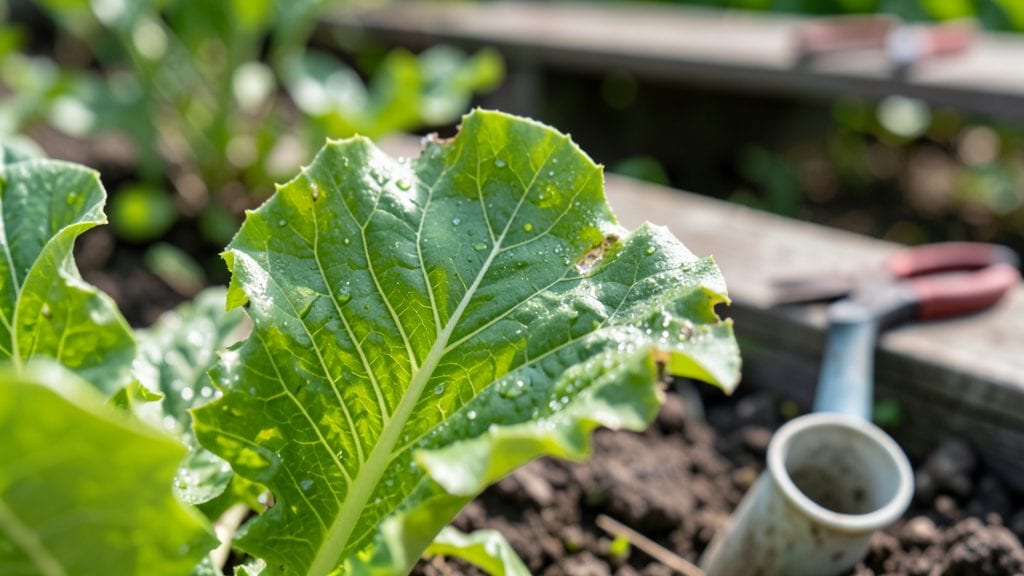
My slug traps garden saved my hostas last summer—no more ragged leaves or overnight disappearances. 🌿 The right setup cuts slug damage by 90% without chemicals, and I’ll show you exactly how to build one that actually works.
The key is combining physical barriers with irresistible lures that keep slugs away from your prized plants.
You’ll need just three things: shallow containers (like plastic lids or yogurt cups), a non-toxic bait (beer, yeast water, or even overripe fruit), and a strategic placement plan. Copper tape is optional but adds an extra layer of protection—slugs hate the electric shock it gives off.
The whole setup costs under $10 and takes less than 15 minutes to assemble.
By morning, you’ll find slugs trapped and dehydrated, while your lettuce, strawberries, and hostas stay intact. The best part? This method protects pollinators and beneficial insects, unlike chemical slug pellets. You’ll notice the difference within days—no more waking up to slime trails or half-eaten seedlings.
Works in vegetable gardens, flower beds, or even container gardens. If traps aren’t enough, I’ll share backup strategies like diatomaceous earth or hand-picking at night. Let’s get those slugs under control for good.
📚 In This Guide
- What you need
- Instructions
- Tips and common mistakes
- Wrapping up and next steps
What you need
- ● Plastic bottle (1-2 liters): A clean, empty bottle (e.g., soda or water bottle). The wider the opening, the better!
- ● Scissors or box cutter: For cutting the bottle (safety first—handle with care!).
- ● Ruler or measuring tape: To mark cutting lines precisely.
- ● Duct tape or strong adhesive tape: To secure the trap and prevent leaks.
- ○ Beer, milk, or yeast water (optional but effective): Beer: ½ cup (120 mL) in the bottle (slugs love it!).
- ● Milk or yeast water: ½ cup (120 mL) as an alternative lure.
- ● Sticks, rocks, or small boards: To weigh down the trap and keep it stable.
- ● Garden twine or rope: To hang the trap in hard-to-reach spots (e.g., under pots or near hosta plants).
- ● Spray bottle with soapy water: For a quick cleanup of escaped slugs or debris.
- ● Glow sticks (for nighttime): Place one near the trap to attract slugs with light.
- ● Multiple bottles: If your garden is slug-prone, set up 3–5 traps for maximum coverage!
Step-by-step instructions for building non-toxic slug traps in your garden
Here's how I protect my prized plants without chemicals or harming beneficial critters.
🪴 Step 1: Choose Your Trap Containers
Grab shallow containers from around the house—plastic lids, yogurt cups, or even upside-down flower pots work perfectly. I like to use 4-6 inch diameter containers because they're big enough to catch slugs but small enough to hide naturally in the garden. Place them near problem areas where you've spotted slug damage or trails.
Position traps at ground level where slugs travel. A good rule is to set them 1-2 feet apart along garden edges and under dense foliage. Slugs are nocturnal, so they'll find these spots naturally when they're most active.
💧 Step 2: Fill Traps with Bait and Water
Fill each container about ¾ full with beer—I use the 4 bottles of beer from your list. The alcohol attracts slugs while drowning them humanely. For a non-alcoholic option, use a mixture of 1 part apple cider vinegar to 3 parts water—it works just as well and appeals to slugs' sweet tooth.
Add a splash of sugar water (1 tablespoon sugar mixed with 1 cup water) to enhance the bait's appeal. The slugs will be drawn in by the moisture and sweetness, then get trapped when they try to climb out. Refresh the liquid every 2-3 days or when it evaporates.
⏰ Step 3: Set Traps at Dusk and Check Daily
Place traps in the garden just as evening light fades—this is when slugs become most active. I like to set them 30 minutes before sunset so they're ready when slugs emerge. Check traps in the morning to remove drowned slugs and any debris that may have fallen in.
This is the moment that matters: if you see slugs in the traps, you know exactly where they're congregating. Use this info to adjust trap placement or add more traps in high-traffic areas. Empty and refill traps daily to keep them effective.
🌿 Step 4: Add Natural Barriers Around Plants
While traps handle active slugs, create a defensive perimeter with dried eggshells or crushed diatomaceous earth around vulnerable plants. Sprinkle a 1-inch wide band of either material around the base of plants. The sharp edges deter slugs without harming your garden.
For extra protection, I plant marigolds or thyme around the garden edges. These slug-repelling plants create a natural barrier while adding beauty to your landscape. Replenish barriers every 2-3 weeks or after heavy rain.
☀️ Step 5: Monitor and Adjust Your System
Keep a log of where you place traps and how many slugs you catch each day. I've found that weekly patterns emerge—more slugs after rain, fewer on windy nights. Use this data to adjust your trap placement and frequency of checking.
If you notice certain plants remain slug-free while others get munched, consider moving traps closer to the vulnerable plants. The key is consistency—slugs will eventually learn to avoid areas where they keep getting trapped.
Tips & tricks for perfect non-toxic slug traps
Here's what I've learned after years of slug battles—these tricks make all the difference in your garden defense system.
Container Selection: I always choose containers with slightly rough edges or textured bottoms—they help slugs lose their footing once they're in. For extra effectiveness, place traps near areas with visible slug trails or chewed leaves. I've found that 4-6 inch diameter containers work best because they're big enough to catch multiple slugs but small enough to blend into the garden naturally.
Bait Optimization: The sugar water mixture is the secret weapon—slugs are drawn to the sweetness but can't escape once they're trapped. For maximum effectiveness, use dark beer (like stout) instead of light beers, as the darker color attracts slugs better. And here's a pro move: place a small piece of cardboard or leaf near the trap edge—slugs will crawl onto it to escape, then fall in.
Timing Secret: Those 30 minutes before sunset are critical! Slugs become most active when the garden cools down and moisture levels rise. I've noticed that setting traps slightly earlier on cloudy days gives you even better results, as slugs emerge sooner when it's already dim. Check traps in the morning before the sun gets too hot—slugs dry out quickly in sunlight.
Barrier Strategy: The 1-inch wide band of dried eggshells or diatomaceous earth works best when applied in a continuous circle around plants. For extra protection, I sprinkle a thin layer of coffee grounds around the perimeter—slugs hate the smell! Remember to replenish these barriers every 2-3 weeks or after heavy rain, as their effectiveness diminishes when wet.
Pro Tips for Slug Traps Garden
- Here's what I've learned after years of slug battles—these tricks make all the difference in your garden defense system.
- Container Selection: I always choose containers with slightly rough edges or textured bottoms—they help slugs lose their footing once they're in.
- Bait Optimization: The sugar water mixture is the secret weapon—slugs are drawn to the sweetness but can't escape once they're trapped.
Frequently asked questions
Got questions about slug traps? You’re not alone! Here are some of the most common concerns—and their simple solutions—to help you master slug-free gardening.
What’s the best time of day to check slug traps?
Check your traps early morning (before 9 AM) and late evening (after sunset) for the best results. Slugs are most active during damp, cool conditions, so these times maximize your catch. Empty traps promptly to avoid attracting pests or altering the scent.
How often should I empty and reset slug traps?
Empty traps daily during peak slug seasons (spring and fall) or every 2–3 days in milder climates. Reset them with fresh beer, yeast water, or damp cardboard. Overloading traps can dilute the bait or create a breeding ground for bacteria—keep it fresh!
Will slug traps harm beneficial insects or pets?
Nope! Slug traps are targeted for slugs and snails only. The beer/yeast bait appeals to their specific taste, while pets (like dogs or cats) won’t be tempted. Keep traps out of reach of curious pets, though—just a precaution. For extra safety, use pet-friendly alternatives like copper barriers.
Do slug traps work in cold or dry weather?
Slugs slow down in cold (<50°F) or dry conditions, so traps may be less effective. Pro tip: Water the trap area lightly to encourage slug activity. In freezing temps, switch to physical barriers (like diatomaceous earth) until slugs become active again in spring.
What if I’m not getting many slugs in the trap?
Try these fixes:
- Boost bait appeal: Add a splash of apple cider vinegar to the beer for a stronger scent.
- Expand placement: Slugs hide under mulch or dense plants—place traps near their favorite hiding spots.
- Check timing: Slugs are nocturnal; ensure traps are set after dark for 24 hours.
- Alternative bait: Use yeast water (1 tbsp yeast + 1 gallon water) for a longer-lasting lure.
Can I reuse the slugs I catch?
Not recommended! While some gardeners relocate slugs to wild areas, they often return to your garden. Instead, dispose of them in the trash or compost (if your system is hot enough to kill them). Focus on preventing their return with traps, copper tape, or organic sprays like garlic or coffee grounds.
Wrapping up and next steps
Say hello to a slug-free garden without harsh chemicals! With the right materials and a little effort, these non-toxic slug traps are your secret weapon for protecting your plants. 🌱 Whether you’re a beginner or a seasoned gardener, this simple system keeps your beds thriving while keeping pests in check.
Ready to take action? Set up your traps today and watch your garden flourish—naturally! Need more tips? Explore our guide on long-term slug prevention to keep those slimy invaders away for good.