Tools
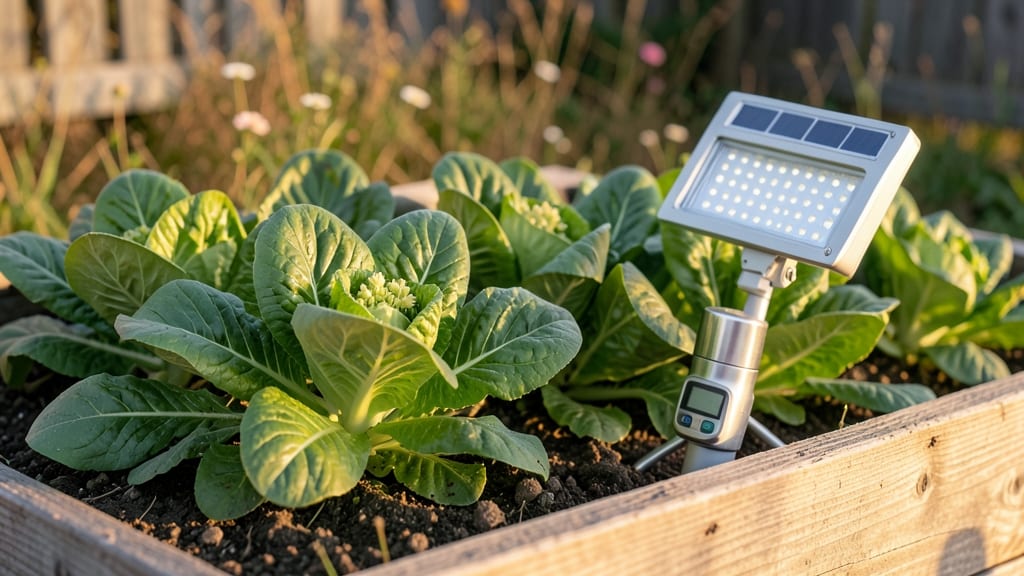
A smart gardening system automates plant care by using sensors, IoT devices, and AI to regulate watering schedules, monitor soil conditions, and detect pests—boosting efficiency and crop yields with minimal manual effort. These systems connect via Wi-Fi or Bluetooth to mobile apps for real-time control and alerts.
A smart gardening system transforms your garden into a high-tech ecosystem where technology handles the heavy lifting. 🌱 These systems don’t just water your plants—they learn your garden’s unique needs, adjusting for weather shifts, soil composition, and even plant maturity.
For example, some models use soil moisture sensors to prevent root rot by stopping water flow when conditions are ideal, while others deploy motion sensors to scare off pests before they cause damage.
The real game-changer is the AI-driven analytics, which tracks growth patterns over time to predict when your plants need extra care, like fertilizer or pruning.
What’s especially useful is how these systems integrate with your daily life. 📱 Imagine getting an alert that your tomatoes need watering while you’re at work or seeing real-time soil pH readings on your phone.
Many setups even sync with smart home platforms, so you can control your garden alongside your lights or thermostat. The best part? They’re designed to save you time and water—critical factors for both busy gardeners and eco-conscious growers.
💡 In This Article
- How Smart Sensors Improve Soil and Plant Health
- Top Smart Gardening Features to Look for in 2024
How smart sensors improve soil and plant health
At the heart of these systems are capacitance-based moisture sensors, which measure soil water content by detecting how much electricity passes through it. Unlike traditional probes that rely on resistance, these sensors provide precise readings down to 1% volumetric water content, preventing both drought stress and waterlogging.
For example, a sensor buried in tomato beds might trigger irrigation when soil moisture drops below 30% capacity, while basil—preferring slightly wetter conditions—would need a threshold closer to 40%. This level of granularity ensures roots get exactly what they need, no more, no less.
Nutrient monitoring takes this a step further with electrochemical sensors that analyze soil chemistry in real time. These devices measure key parameters like pH (4.0-8.0 range), nitrogen levels (10-100 ppm optimal), and phosphorus availability.
The tech works by passing a tiny electric current through soil samples and measuring the resulting voltage changes—similar to how blood glucose meters operate.
When your app detects a pH of 6.5 (ideal for most vegetables) but your peppers show signs of nutrient lockout, the system can automatically dispense a precise 0.1% calcium nitrate solution to correct the imbalance.
Pest and disease detection relies on multispectral imaging cameras that capture light beyond human vision.
These devices spot early signs of fungal infections by detecting subtle shifts in plant leaf reflectance—healthy leaves reflect green wavelengths (500-600 nm), while infected ones show increased red (650-700 nm) or infrared (700-1100 nm) signatures.
For instance, powdery mildew creates a white, chalky coating that scatters light differently, triggering an alert before you'd notice visible damage. Some advanced systems even use machine learning to distinguish between harmless aphids and destructive Japanese beetles by analyzing their movement patterns in time-lapse footage.
The real magic happens when these data streams feed into AI-driven control algorithms. These systems don't just react—they learn. For example, if your strawberries consistently need watering at 7 AM during summer but 9 AM in winter, the AI adjusts the schedule automatically.
It also cross-references with local weather forecasts, reducing water use by 30-40% during predicted rain. What's more, some premium systems use predictive analytics to forecast pest outbreaks by analyzing historical data from similar gardens in your region.
Consider how this plays out in a real garden scenario: Your smart system detects your cucumber plants' soil moisture dropping to 25% while the forecast predicts 0.5 inches of rain tonight. Instead of watering immediately, it holds off, saving 2 gallons of water per plant.
Meanwhile, the nutrient sensor flags low potassium levels in your bell peppers and triggers a slow-release fertilizer application timed for maximum absorption during the next sunny period. All of this happens while you're at work, with the system sending you a summary report at day's end.
What most gardeners don't realize is how these sensors create a closed-loop system—where each component informs the others. The moisture data affects nutrient recommendations, which in turn influence pest vulnerability.
For example, overly wet soil creates ideal conditions for fungal pests, so the system might recommend a preventative copper spray when it detects prolonged high humidity. This interconnected approach is what transforms smart gardening from a convenience into a true productivity multiplier.