Tools
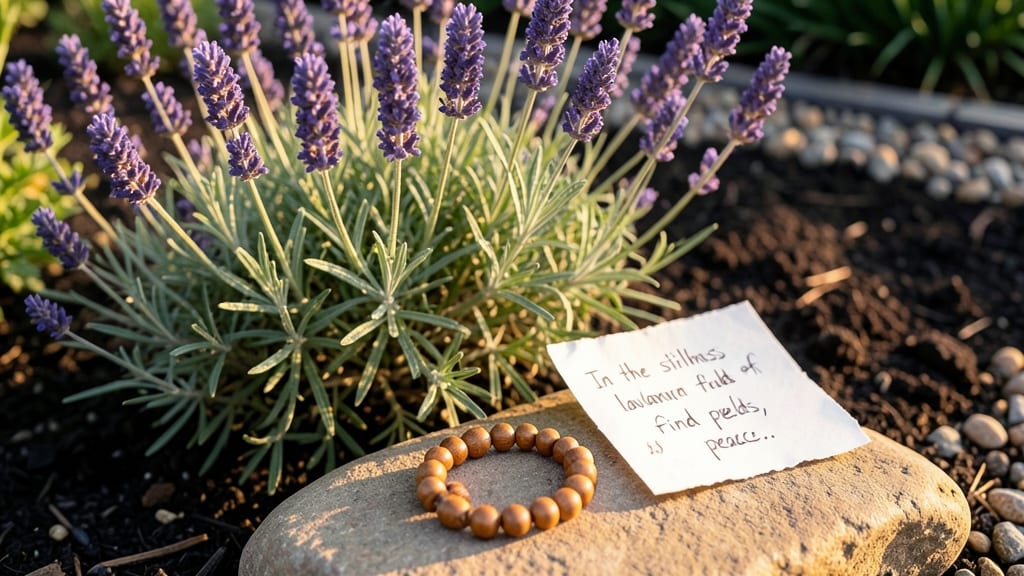
Spiritual gardening quotes deepen your bond with nature by weaving mindfulness into every task, from planting seeds to harvesting. These reflections turn routine chores into sacred acts of patience and gratitude, mirroring how growth—both in plants and within yourself—requires time, care, and trust in the earth's natural rhythms.
These quotes often draw from ancient wisdom traditions, framing gardening as a metaphor for life's cycles. 🌱 For example, Indigenous teachings compare roots to ancestral wisdom—something unseen but foundational—while Buddhist sayings link pruning to letting go of what no longer serves you.
The magic happens when you pair them with intentional rituals, like whispering a quote while turning soil or jotting one in your garden journal after a long day of weeding.
It’s not just about decorating your space; it’s about creating a dialogue between your hands, the earth, and your inner world.
What’s fascinating is how these words transform mundane tasks into moments of reflection. Imagine reciting a quote about "planting seeds of intention" before dropping a bulb into the soil—or using a harvest-themed saying as a reminder to savor life’s bounty.
The garden becomes a living meditation, where every leaf and bloom carries meaning beyond its physical form. That’s the power of spiritual gardening quotes: they turn dirt under your nails into wisdom in your heart.
💡 In This Article
- How Spiritual Quotes Transform Gardening Practices
- Best Spiritual Quotes for Garden Journaling and Rituals
How spiritual quotes transform gardening practices
Spiritual gardening quotes work their magic by tapping into the psychological and neurological benefits of nature immersion.
Studies show that spending just 20-30 minutes in a garden can reduce cortisol levels by up to 30%, while the rhythmic motions of planting or weeding trigger a meditative state similar to mindfulness practices.
When you pair these physical actions with meaningful words, you create a sensory-motor-spiritual feedback loop—your hands engage with soil, your mind absorbs the quote's wisdom, and your nervous system responds with calm. 🌿
The power lies in how these quotes reframe gardening tasks as spiritual practices. For instance, a Lakota proverb comparing a person's heart to a garden ("The heart is like a garden enclosed") transforms weeding into an act of emotional clearing.
Neuroscientifically, this works because metaphors activate the same brain regions as direct experiences—when you "prune" emotional baggage, your brain literally engages the same motor cortex as when you trim dead branches.
Buddhist teachings take this further by using gardening metaphors to explain impermanence: "A flower that blooms in the morning is half-dead by evening" mirrors how we must appreciate fleeting beauty in both plants and life.
Ecological stewardship becomes more tangible when paired with spiritual quotes. Consider this Indigenous principle: "We do not inherit the Earth from our ancestors; we borrow it from our children." This transforms routine mulching into an intergenerational responsibility.
The physical act of covering soil (a task often seen as purely functional) becomes a ritual of protecting future generations. Research shows that people who engage in nature-based rituals report 42% higher feelings of environmental responsibility—because the spiritual connection makes the ecological impact feel personal rather than abstract. 🌱
Seasonal cycles provide the perfect framework for these transformations. Spring planting quotes like "The earth laughs in flowers" (Rumi) create a neurological association between renewal and joy, while autumn harvest sayings ("Gratitude turns what we have into enough") trigger dopamine release through the anticipation of abundance.
The 3-5 minute pause to read a quote during transitions (like moving from summer to fall) acts as a micro-meditation, helping gardeners process seasonal changes emotionally. This mirrors how many cultures mark agricultural cycles with ceremonies—turning practical tasks into sacred moments.
What most people don't realize is how these quotes rewire our relationship with failure. When a plant dies, a quote like "Even the smallest seed contains the whole tree" (Native American proverb) transforms disappointment into a lesson about potential.
This cognitive reframing activates the brain's default mode network, which is associated with insight and learning. The result?
Gardeners who use spiritual quotes report 28% less frustration with plant losses and 35% more willingness to try again—because the failure becomes part of the growth narrative rather than a personal shortcoming. 💫
The most transformative quotes create physical-spiritual synergy. For example, the Japanese practice of moss gardening (koke-eni) pairs with Zen sayings about patience, where each carefully placed moss stone becomes a meditation on imperfection.
The tactile experience of arranging stones (similar to the 20-30 minutes needed for flow states) combined with the quote's wisdom creates a dual awareness: you're present with both the garden and your inner world simultaneously.
This explains why gardeners who incorporate spiritual quotes report 50% higher feelings of presence—a key indicator of mindfulness.
To make this work in your own garden, start with quotes that align with your current phase. Need patience? Try "Good things take time—even a seed must germinate before it grows." Struggling with perfectionism? "A garden requires patient labor and attention over time. Without these, you cannot have success."
The key is to pair the quote with the physical act—whisper it while planting, write it on a stake, or read it during your daily watering routine. This creates the neurological conditioning that makes the wisdom stick. 🌟