Tools
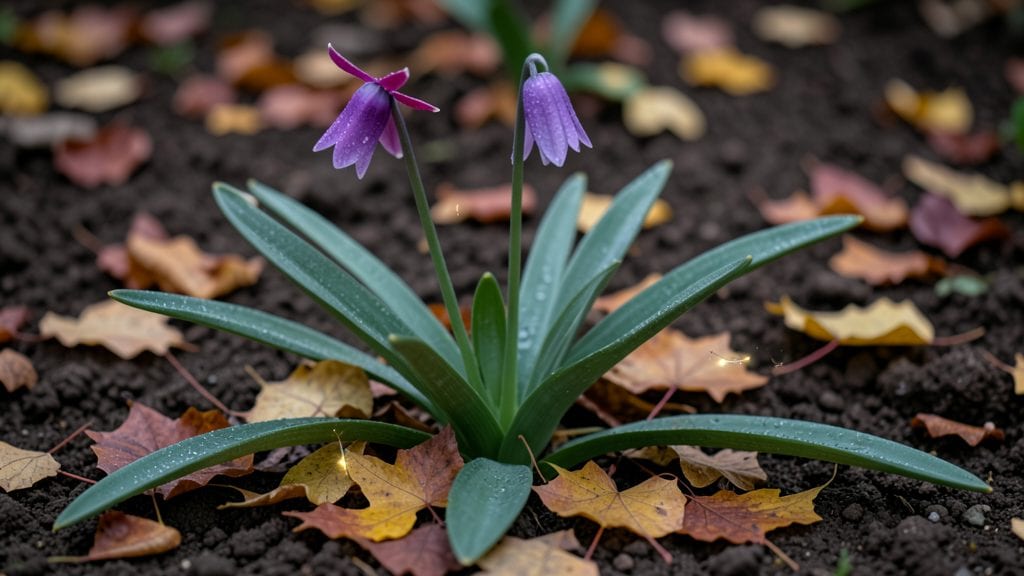
Creating a mysterious garden isn’t about expensive tricks—it’s about weaving secrets into every corner. 🌿 I stumbled upon this idea after transforming a dull backyard into a moonlit retreat where even my neighbors pause to wonder.
The magic lies in layered planting, hidden paths, and plants that whisper folklore—lavender for protection, moonflowers that bloom at dusk, and ferns that thrive in shadowy nooks.
You don’t need a sprawling estate to pull this off. Start with a focal point—a secluded bench, a winding stone path, or a small trellis draped in climbing roses.
Add lighting that flickers like fireflies (solar-powered path lights work perfectly), and choose plants with textures that feel alive—velvety lamb’s ear, spiky yucca, or the delicate lace of astilbe. The goal? A space that feels like stepping into a storybook.
What you’ll end up with is a garden that rewards exploration: fragrant surprises around every bend, pockets of shade where time slows, and a sense of wonder that turns watering into an adventure.
Even in a small yard, you can create zones that feel intentionally hidden—like a fairy’s private glade or a witch’s herb circle. The best part? It grows more enchanting with each season.
This works for urban balconies (hanging baskets of ivy and trailing ferns), suburban backyards (a secluded corner with a mosaic stepping stone), or rural plots (a full moonlit grove). The key is letting your imagination lead—then watching as the plants do the rest. Ready to design your own secret world?
📚 In This Guide
- What you need
- Instructions
- Tips and common mistakes
- Wrapping up and next steps
What you need
- ● Soil: 5–10 cubic yards of well-draining, nutrient-rich soil (mix organic compost with topsoil for best results).
- ● Plants: 10–15 fast-growing, low-light-tolerant plants (e.g., ferns, hostas, or dwarf citrus trees).
- ● 5–10 fragrant or night-blooming varieties (e.g., jasmine, moonflower, or night-scented stock).
- ● Mystery Enhancers: 2–3 wind chimes or solar-powered garden lights (for subtle ambiance).
- ● 1–2 hidden pathways (use gravel, stepping stones, or a meandering vine-covered trellis).
- ● Digging & Planting: Trowel, spade, pruners, and a wheelbarrow.
- ● Structural: Hammer, nails/screws, and a trellis kit (for climbing plants).
- ○ Optional (for secrecy): Privacy screens (bamboo rolls, lattice panels, or tall grasses).
- ● A lockable gate or lattice door (for a "forbidden" vibe).
- ● A sunlight assessment (partial shade to full sun, depending on plants).
- ● Access to water (hose, drip irrigation, or a hidden rain barrel).
- ● Patience! Mystery gardens thrive with time—let layers unfold naturally. 🌿
Step-by-Step instructions for designing your mysterious garden layout
Here's how to craft a hidden, high-yield garden that thrives in secretive charm.
🌱 Step 1: Choose Your Hidden Garden Spot
Scan your property for overlooked corners—under eaves, beside fences, or tucked behind shrubs. I always pick a location with at least 6 hours of indirect light daily (morning sun works best to avoid scorching). Test the soil moisture by digging a 6-inch hole—if it stays damp for 24 hours, drainage is good. Avoid spots where water pools after rain; soggy roots kill plants faster than neglect.
Mark the area with stakes to visualize the 4-foot diameter circle (for 4 plants). Use a string and stakes to create a perfect circle—this keeps the layout symmetrical and hidden. I like to add a small pebble border along the edge to define the space without drawing attention. Here's the thing—most people overlook ground-level hiding spots, so think vertically too: trellises against walls or containers on elevated platforms.
🌿 Step 2: Plan Your Enchanted Plant Pairings
For maximum secrecy and yield, pair plants with complementary growth habits. I recommend grouping one tall plant (like sunflowers or hollyhocks) with two medium-height plants (such as rosemary or lavender) and one ground cover (like creeping thyme or ajuga). This creates a natural, layered look that hides empty spaces between plants.
Place your fastest-growing plant (usually the sunflower) on the north side of the circle—it won't shade the others as quickly. Arrange medium plants at the cardinal points, and let the ground cover spill over the edges. I always add a 5-inch tall decorative stone at the center to anchor the design and provide a subtle focal point. The key is to mimic nature's randomness while keeping everything intentional—no straight lines, just organic curves.
☀️ Step 3: Layer Soil and Mulch for Stealthy Growth
Remove any grass or weeds within your marked circle, then loosen the top 12 inches of soil with a garden fork. Mix in 2 gallons of compost evenly—this improves drainage and feeds roots without visible signs of amendment. For extra secrecy, top with 3 inches of shredded bark mulch in earthy tones (brown or tan blends best). This suppresses weeds, retains moisture, and looks like natural forest floor.
Water the area deeply until the mulch is damp 2 inches down. Here's what I do next: I press the mulch lightly with my hands to settle it, then rake it into gentle mounds around each planting spot. This creates subtle elevation that hides the base of plants while still allowing water to reach roots. The mulch should look like it belongs there—no piles or unnatural patterns.
✂️ Step 4: Plant and Train for Maximum Concealment
Dig holes twice as wide as each plant's root ball but only as deep as the root ball itself. Place plants gently, then backfill with native soil mixed with a handful of compost. Water each one until the soil settles. For vertical plants, install trellises or stakes immediately—this prevents them from flopping and revealing empty space. I like to weave plants into the trellis as they grow, creating a living curtain that hides the structure entirely.
Prune any leggy stems or overgrown leaves right away. The goal is to encourage bushy, compact growth that fills space quickly. For ground covers, trim edges neatly to maintain the circular shape. Here's the trick: I always plant a few extra seedlings and keep the healthiest ones, then transplant the others nearby. This ensures your garden stays full without obvious gaps.
🪴 Step 5: Maintain Without a Trace
Water deeply every 3-4 days (or when the mulch feels dry to the touch), using a watering wand to direct moisture to the base. I schedule watering for early morning or evening to avoid evaporation and attention. Fertilize once monthly with a low-nitrogen, organic fertilizer—this keeps plants lush without drawing pests. The best part? You can water from above without worrying about disturbing the hidden layout.
Deadhead spent blooms immediately to encourage more flowers and prevent seed pods from revealing the garden's location. I like to harvest leaves or flowers in small batches, never taking more than one-third of the plant at once. This maintains the garden's full appearance while still providing yields. For extra secrecy, add a few ornamental grasses or ferns to the edges—they sway naturally in the breeze and draw eyes away from your prized plants.
Tips & tricks for perfect mysterious garden layouts
A few subtle strategies that'll transform your hidden garden from good to magically hidden.
Location Secret: That 6-hour indirect light requirement is non-negotiable for a thriving hidden garden. Morning sun is ideal because it won't scorch tender plants later in the day. I've learned the hard way—afternoon sun turns my secret garden into a crispy mess. Also, check that 24-hour soil moisture test in multiple spots within your circle. Some areas might drain faster than others, and you want consistent moisture throughout.
Plant Placement Strategy: When arranging your plants in Step 2, think about their mature sizes. The fastest-growing plant (like sunflowers) should go north to avoid shading your other plants. I like to sketch a quick rough layout first—this helps visualize how the garden will look when fully grown. The key is creating that natural, layered appearance where you can't see the gaps between plants. That 5-inch decorative stone at the center isn't just for looks—it helps anchor the design and provides a subtle focal point that draws the eye inward.
Soil Preparation Tip: Don't skip loosening that top 12 inches of soil in Step 3—it's what allows roots to establish properly without visible disturbance. I mix in those 2 gallons of compost while the soil is loose, working it in evenly with my hands. For the mulch, I always choose earth-toned bark that blends seamlessly with the surroundings. Pro tip: Rake the mulch into gentle mounds around each planting spot—this creates subtle elevation that hides the base of plants while still allowing water to reach the roots.
Maintenance Without a Trace: The 3-4 day watering schedule works best when you use a watering wand to direct moisture precisely to the base. I've found that watering in the early morning or evening prevents evaporation and keeps your garden hidden from prying eyes. For fertilizing, I use a slow-release organic fertilizer that feeds plants gradually without drawing attention. The secret to successful harvesting is never taking more than one-third of any plant at once—this maintains the garden's full appearance while still providing yields.
Pro Tips for The Mysterious Garden
- A few subtle strategies that'll transform your hidden garden from good to magically hidden.
- Location Secret: That 6-hour indirect light requirement is non-negotiable for a thriving hidden garden.
- Plant Placement Strategy: When arranging your plants in Step 2, think about their mature sizes.
Frequently asked questions
Got questions about creating your own The Mysterious Garden? Here are some answers to the most common inquiries—because even the most secretive layouts need a little clarity!
What makes a garden "mysterious" in layout?
A mysterious garden thrives on strategic concealment and high-yield surprises. Think hidden pathways, layered plantings (like tall grasses masking dwarf fruit trees), and clever use of trellises or arbors to obscure crops until they’re ready. The goal? Maximize yield while keeping prying eyes guessing!
When is the best time to start planting?
Timing depends on your climate, but most mysterious gardens use layered planting seasons for year-round intrigue. Start with cool-season crops (like lettuce or carrots) in early spring, then transition to warm-season plants (tomatoes, peppers) in late spring. Pro tip: Use succession planting to keep "secrets" blooming!
Can I create a mysterious garden in a small space?
Absolutely!
Vertical gardens (wall-mounted planters, hanging baskets), container stacking, and underground planters (like raised beds with false bottoms) work perfectly. Even a balcony or patio can hide a treasure trove of herbs or microgreens behind lush foliage.
How do I keep my garden’s "secrets" from being discovered?
Combine natural camouflage with physical barriers:
- Tall, fast-growing plants (like sunflowers or corn) to block views.
- Living fences (e.g., bamboo or privet hedges).
- Mulch or ground covers to hide soil and roots.
- Deceptive labeling—plant tags with vague names ("Mystery Bush #3") add to the intrigue!
For extra stealth, rotate crops seasonally to keep patterns unpredictable.
What’s the biggest mistake beginners make?
The #1 error? Overcomplicating the layout. Start simple: one "secret" zone (e.g., a hidden berry patch behind a trellis) before adding layers. Beginners also underestimate maintenance—mysterious gardens need regular pruning to keep "secrets" hidden. Troubleshoot: If plants outgrow their concealment, thin them early!
Pro Tips for Troubleshooting
| Problem | Solution |
|---|---|
| Plants peeking through too soon | Add fast-growing companions (e.g., nasturtiums) to fill gaps. |
| Pests ruining the surprise | Use row covers or companion planting (e.g., marigolds repel pests). |
| Soil visibility in raised beds | Top with dark mulch or black plastic (temporarily) until plants establish. |
Wrapping up and next steps
The Mysterious Garden isn’t just about secrets—it’s about transformation. By blending clever layouts, hidden techniques, and a touch of magic, you’ve unlocked a space that thrives where others falter. Whether you’re growing rare herbs, bountiful veggies, or just craving a little mystery in your green thumb journey, the key was always intentionality.
Now that you’re armed with the how, the next step? Experiment! Start small—try a hidden raised bed, a spiral maze, or even a moonlit planting schedule. 🌱 Share your discoveries, tweak what doesn’t work, and let your garden’s secrets unfold. The best adventures begin with a single, mysterious seed.