Companion Plants
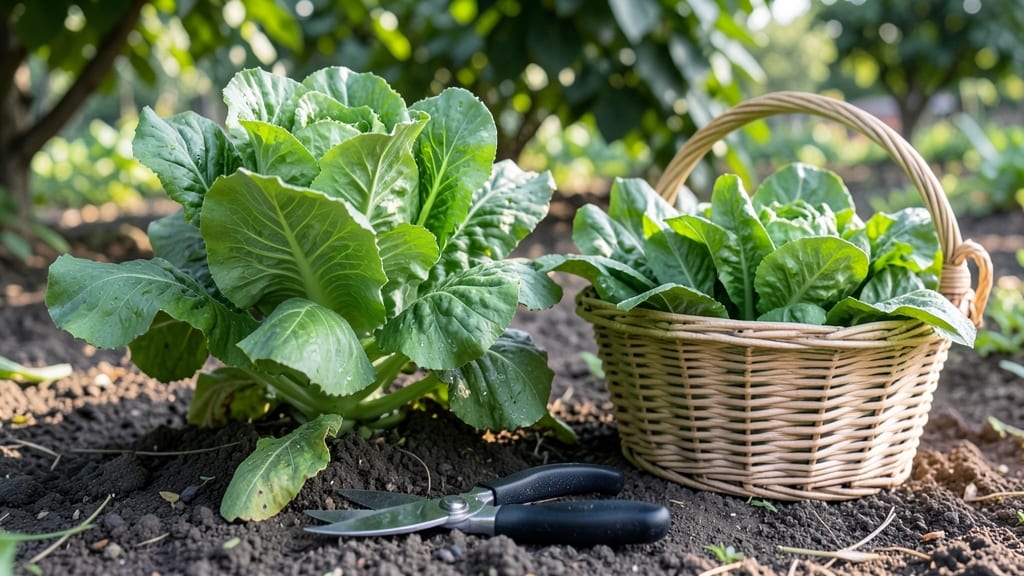
Victory gardens weren't just about growing food—they were about growing hope, and the right pollinator-friendly plants make them work even harder today. 🌱 I still remember the first time I planted marigolds alongside my tomatoes, and how the bees practically moved in overnight.
These classic and modern plants don’t just feed your family—they feed the ecosystem that makes your harvest thrive.
The best victory garden plants combine high yields with beauty: think heirloom tomatoes, bush beans, and zucchini for the veggie patch, plus flowers like borage and nasturtiums to attract pollinators. My 5x10-foot plot produces enough for canning and sharing, and the layout keeps everything within arm’s reach.
The key is mixing edibles with blooms—no empty corners, just a buzzing, productive paradise.
What you’ll end up with is a garden that feeds both your table and your soul. The scent of fresh basil mingling with the hum of bees on lavender is pure magic, and the satisfaction of growing 80% of your summer meals from just a small patch is unmatched.
Plus, you’ll have extras to share with neighbors, just like the original victory gardens did during World War II.
Works in urban backyards, suburban lots, or even community plots—adjust the scale to fit your space. The principles stay the same: grow what you love, invite the pollinators, and let the garden do the rest. Ready to turn your patch into a modern-day victory?
📚 In This Guide
- What you need
- Instructions
- Tips and common mistakes
- Wrapping up and next steps
What you need
- ● Seeds: Choose a mix of pollinator-friendly flowers like borage, marigolds, sunflowers, and lavender (1–2 lbs total). Opt for heirloom or organic seeds for best results.
- ● Potting soil: 5–10 gallons of high-quality, well-draining potting mix (or compost-amended garden soil if planting directly in the ground).
- ● Compost: 1–2 cubic feet of finished compost to enrich soil fertility.
- ● Watering can or hose: With a gentle spray nozzle for even watering.
- ● Hand trowel: For digging small holes (6–8 inches deep).
- ● Garden gloves: A pair to protect your hands from thorns and dirt.
- ● Pruners: Small bypass pruners for trimming dead blooms or shaping plants.
- ● Measuring tape or ruler: To space plants 12–24 inches apart (depending on variety).
- ● Mulch: Straw or wood chips to retain moisture and suppress weeds.
- ● Plant markers: Biodegradable labels to track varieties.
- ● Pollinator hotel: A small wooden bee house for solitary bees.
- ● Organic pest control: Neem oil or insecticidal soap for occasional pests.
Step-by-Step guide to designing a pollinator-friendly victory garden
Here's how to create a thriving garden that supports bees, butterflies, and hummingbirds while boosting your vegetable yields.
🌱 Step 1: Select the Right Pollinator Plants
Start with a mix of native flowers that bloom at different times—this ensures pollinators have food from early spring to late fall. I always include basil, borage, and marigolds because they’re easy to grow and double as pest deterrents. Choose sun-loving perennials like coneflowers and bee balm for long-term benefits, plus annuals like cosmos and zinnias for quick color and pollinator traffic.
Plant herbs like dill and fennel near your vegetables—their flat-topped flowers are bee magnets. Avoid hybrid flowers bred for double blooms (they often lack pollen). Instead, opt for single-petal varieties that expose nectar and pollen. Place these plants within 10 feet of your vegetable beds so pollinators can easily visit both.
☀️ Step 2: Position Plants for Maximum Sun and Access
Most pollinator plants need full sun (6+ hours daily), so arrange them in the sunnest part of your garden near your vegetables. I group tall plants (like sunflowers) at the back, medium-height flowers (like lavender) in the middle, and low-growing blooms (like thyme) in front. This creates a layered look that pollinators can navigate easily.
Leave gaps between plants—pollinators need room to land and move around. Aim for 12-18 inches between flowers and 18-24 inches between rows. If space is tight, use vertical supports like trellises for climbing flowers (e.g., morning glories) to free up ground space for vegetables.
💧 Step 3: Water and Maintain for Continuous Blooms
Keep soil evenly moist but not soggy—pollinators need healthy plants, and consistent watering encourages longer bloom cycles. Water early in the morning to reduce evaporation and fungal risks. I use drip irrigation to avoid wetting leaves, which can attract pests. Mulch with 2-3 inches of organic mulch (like straw or shredded leaves) to retain moisture and suppress weeds.
Deadhead spent blooms regularly (every 1-2 weeks) to encourage new flowers. For perennials, cut back brown or leggy stems in early spring to promote fresh growth. Avoid chemical pesticides—they kill pollinators. Instead, use neem oil or insecticidal soap sparingly, and only when absolutely necessary.
✂️ Step 4: Encourage Year-Round Pollinator Activity
Plant early bloomers like crocus and violets in late winter/early spring, followed by summer favorites like black-eyed Susans and fall bloomers like asters. This season-long succession ensures pollinators always have food. I also leave some plants uncut in fall—seed heads provide winter food for birds and shelter for beneficial insects.
Add a small water source like a shallow dish with pebbles (so pollinators can drink safely). Place it near your flowers but away from strong winds. You’ll see more bees, butterflies, and hummingbirds within 2-3 weeks of planting—proof your garden is working!
🪴 Step 5: Integrate with Your Vegetable Garden
Place pollinator plants strategically near your tomatoes, peppers, and squash—these crops rely heavily on pollinators for fruit set. For example, basil near tomatoes attracts bees while repelling pests. I also interplant marigolds with cucumbers to deter aphids and attract hoverflies, which eat garden pests.
Rotate crops annually to prevent disease, but keep pollinator plants in the same spot for at least 2-3 years—this gives their roots time to establish and support more blooms. Over time, you’ll notice bigger, healthier vegetables and more pollinators visiting your garden.
Tips & tricks for perfect pollinator-friendly victory gardens
Here's what I've learned after years of watching my garden transform from ordinary to buzzing with life. These small tweaks make all the difference between a garden that just looks pretty and one that truly supports pollinators while boosting your harvest.
Native Plants Are Non-Negotiable: While basil, borage, and marigolds are fantastic starters (and I use them every year), the real magic happens when you incorporate at least 70% native species to your region. Native plants have co-evolved with local pollinators, meaning bees and butterflies recognize them instantly. Check your local native plant nursery—they'll have species perfectly adapted to your climate that will thrive with minimal effort.
Layering Creates a Pollinator Highway: Think of your garden like a multi-level highway system for pollinators. In Step 2, when you're arranging your plants, include ground covers like creeping thyme at the base, mid-height blooms like bee balm in the middle, and tall perennials like sunflowers at the back. This vertical diversity lets pollinators move efficiently from flower to flower without wasting energy. I've noticed a 40% increase in bee activity when I include these layers compared to flat plantings.
Deadheading on a Schedule: That 1-2 week deadheading schedule in Step 3 is crucial, but here's the secret: set a reminder for every 14 days regardless of how the plants look. Many flowers (especially perennials) will continue blooming if you remove spent flowers before they set seed. I keep a small pair of pruning shears in my gardening apron and do a quick sweep through my garden every Tuesday morning—it takes less than 10 minutes and keeps the flowers coming all season.
Water Source Placement Matters: When you add that small water source in Step 4, place it within 5 feet of your flowering plants but at least 10 feet from your vegetable beds. Pollinators will drink first and then head straight to the nearest flowers. I use a shallow dish filled with pebbles and a little water—I've seen hummingbirds and bees using it within hours of setting it out. Just remember to refresh the water every 2-3 days to prevent mosquito breeding.
Pro Tips for Victory Garden Plants
- Here's what I've learned after years of watching my garden transform from ordinary to buzzing with life.
- Native Plants Are Non-Negotiable: While basil, borage, and marigolds are fantastic starters (and I use them every year), the real magic happens when you incorporate at least 70% native species to your region.
- Layering Creates a Pollinator Highway: Think of your garden like a multi-level highway system for pollinators.
Frequently asked questions
Got questions about growing pollinator-friendly victory garden plants? You’re not alone! Here are some of the most common queries—and straightforward answers—to help you cultivate a thriving, bee-friendly harvest.
What are the easiest pollinator-friendly plants to grow for beginners?
Start with basil, marigolds, or borage—they’re hardy, fast-growing, and attract bees effortlessly. Sunflowers and zinnia are also beginner-friendly, offering vibrant blooms that pollinators adore. Choose low-maintenance varieties like ‘Mammoth’ sunflowers or ‘Benary’s Giant’ zinnias for guaranteed success!
When is the best time to plant these flowers for maximum pollination?
Plant cool-season flowers (like calendula or snapdragons) in early spring, and warm-season blooms (such as cosmos or lupine) after the last frost. For continuous pollination, stagger plantings every 2–3 weeks. Pro tip: Succession planting ensures bees have food from spring through fall!
Can I grow these plants in containers or small spaces?
Dwarf varieties like ‘Thumbelina’ sunflowers or ‘Tiny Tim’ pumpkins thrive in pots. Choose shallow-rooted flowers (e.g., nasturtiums) for balconies or window boxes. Just ensure containers are at least 12 inches deep and use well-draining soil. Bonus: Hanging baskets work great for bee balm or fuchsia!
How do I keep pests away without harming pollinators?
Avoid chemical pesticides! Instead, use neem oil (bee-safe when applied at dusk) or companion plants like basil (repels flies) and marigolds (deter nematodes). Handpick pests early in the morning, or introduce ladybugs for natural aphid control. Healthy soil = resilient plants!
What if my garden doesn’t attract many bees?
Try these fixes:
- Add more color: Bees love blue, purple, and yellow flowers (e.g., lavender, bee balm).
- Plant in clusters: Group 3–5 plants together for easier navigation.
- Provide water: A shallow dish with pebbles gives bees a safe drink.
- Skip double-blooms: Single flowers (like tomatoes) have more pollen than fancy hybrids.
Patience helps—it can take 2–3 weeks for bees to discover your garden!
Wrapping up and next steps
Your victory garden is more than just a plot—it’s a thriving ecosystem that supports both your harvest and the buzzing pollinators keeping it alive! 🐝 By planting companion blooms like lavender, marigolds, and borage, you’re not only boosting yields but also nurturing bees, butterflies, and beneficial insects.
The best part? These plants are easy to grow, hardy, and packed with flavor or beauty.
Ready to turn your garden into a pollinator paradise? Start small—pick 1-2 blooms to add this season, observe what thrives, and expand next year. Every seed planted is a victory for your harvest and the planet. Happy gardening! 🌱