
Propagation
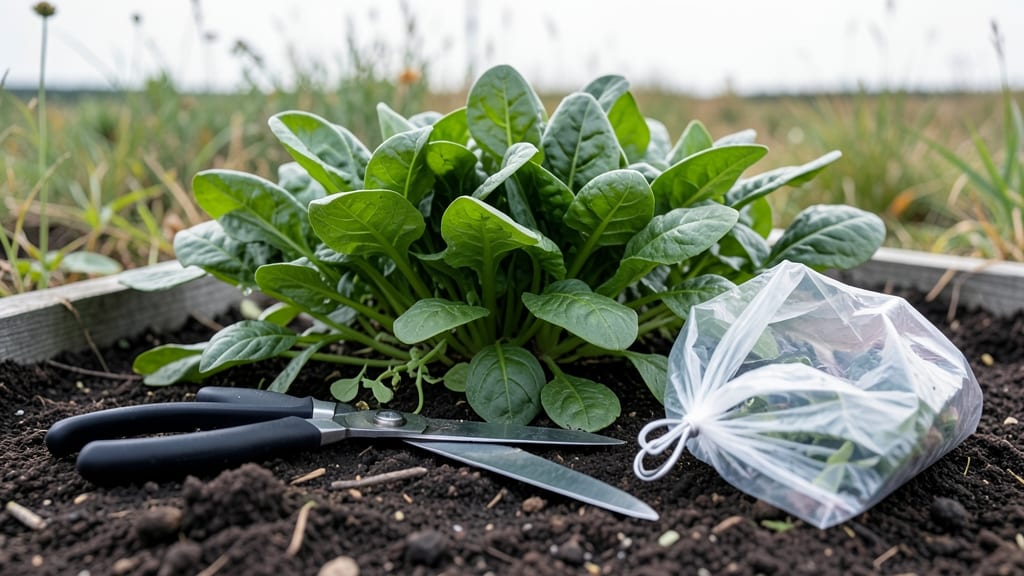
To freeze greens straight from your garden, choose hardy leafy varieties like kale, Swiss chard, collard greens, and spinach—they hold up better than delicate greens when properly blanched and stored.
These leafy greens stand out because their thick stems and sturdy leaves resist wilting and nutrient breakdown during freezing. 🌱 The key is blanching—briefly dipping them in boiling water then ice water—to halt enzyme activity that causes texture loss.
I’ve found that vacuum-sealing these greens extends their shelf life by months, preserving their vibrant color and crispness. For best results, portion them into freezer bags with as little air as possible before storing at 0°F or below.
Delicate greens like arugula or baby spinach won’t freeze well—they turn mushy and lose their bright flavor. Instead, focus on the heartier options that maintain their structure even after thawing.
This method works especially well for gardeners looking to preserve their harvest for winter cooking, like sautéing or blending into soups.
💡 In This Article
- How Blanching Preserves Garden Greens’ Nutrients and Texture
- Prepping and Storing Garden Greens for Freezing Success
How blanching preserves garden greens’ nutrients and texture
Blanching works by rapidly heating greens to 165°F for 2-3 minutes, then shocking them in ice water. This process stops enzymes like polyphenol oxidase that cause browning and texture breakdown.
The heat also softens cell walls just enough to preserve their structure, preventing the mushy texture that ruins delicate greens. Think of it like hitting a pause button on the natural aging process that would otherwise degrade your harvest within days.
The science gets even more interesting when you consider cell structure. Blanching causes proteins in the cell walls to coagulate, creating a protective barrier that locks in nutrients like vitamin C and folate.
Without this step, frozen greens can lose up to 50% of their vitamin C over just three months. The ice bath after blanching is crucial too—it rapidly cools the cells, preventing them from continuing to cook and turning limp.
For example, Swiss chard blanched for 1 minute retains a vibrant green color, while unblanched leaves turn dull and wilted within weeks.
Temperature control is everything here. Too short a blanching time (1 minute) leaves enzymes active, while overdoing it (> 3 minutes) breaks down cell structures. The ideal range is 165-185°F for most greens, where you get maximum enzyme deactivation without compromising texture.
This is why I always recommend using a thermometer—visual cues like color change can be misleading. The right blanching time also depends on the green: kale needs 2 minutes, while spinach only requires 1 minute to achieve the same preservation benefits.
Comparing blanched vs. unblanched greens shows dramatic differences. Unblanched greens develop freezer burn faster because their cell membranes remain fragile, allowing ice crystals to pierce them. The texture becomes grainy and the flavor dulls from oxidation.
Blanched greens, however, maintain their crispness and vibrant color for up to 12 months when stored properly. The flavor difference is noticeable too—blanched greens taste fresher because their natural compounds remain intact, while unblanched ones develop a bitter, metallic aftertaste from enzyme activity.
What most people don’t realize is how blanching affects the greens’ aroma. The process releases volatile compounds that carry the fresh garden scent, making frozen greens smell almost as good as the day they were picked.
This is particularly important for cooking applications like soups or smoothies, where aroma contributes significantly to perceived freshness. For instance, freshly blanched collard greens smell like a summer garden, while unblanched ones smell flat and stale after just a month in the freezer.
For the best results, I recommend blanching greens in batches no larger than 2 pounds to ensure even heating. Use a large pot with plenty of water—at least 4 quarts per pound of greens—to maintain consistent temperature.
After blanching, drain immediately and transfer to an ice bath for 3-5 minutes to stop the cooking process completely. This careful handling preserves both texture and flavor, making your frozen greens nearly indistinguishable from fresh when cooked properly.