
Container Gardens
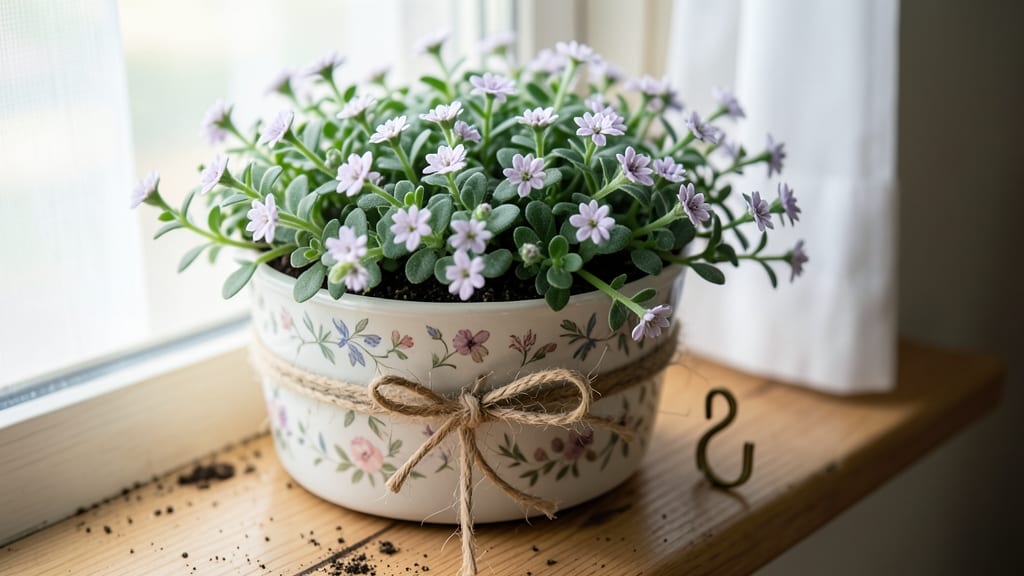
My window box gardening obsession started with a single 12-inch box and a stubborn geranium that refused to die—turns out, drought-tolerant annuals thrive where fussy plants fail. The key isn’t just picking plants that survive; it’s arranging them so every season feels like a fresh painting.
I’ve filled these boxes with trailing sweet alyssum, velvety lamb’s ear, and poppy blooms that spill over edges like confetti, all while using half the water of traditional gardens.
You don’t need a green thumb—just the right mix of soil, containers, and a little planning. Start with lightweight potting mix that drains fast (no soggy roots here), and choose boxes with drainage holes. For urban spaces, narrow boxes save room while still making a statement.
The magic happens in layering: tall plants at the back, mid-height fillers, and cascading varieties in front create depth that looks intentional, even if you’re just starting.
By midsummer, your window boxes will burst with color that lasts through heat waves, and the scent of lavender or snapdragons will draw neighbors to your door. The best part?
Swap out plants every few months to keep things fresh—spring for blooms, summer for heat lovers, and even winter with evergreen foliage. It’s not just gardening; it’s instant curb appeal that works year-round.
Bonus: These boxes work indoors too—bright windowsills become mini gardens that lift any space. Whether you’re dressing up a rental apartment or adding charm to a historic home, the possibilities are endless. Let’s get those boxes planted!
📚 In This Guide
- What you need
- Instructions
- Tips and common mistakes
- Wrapping up and next steps
What you need
- ● Window box: Choose one with drainage holes (width: 12–18 inches, depth: 6–8 inches). Pro tip: Opt for lightweight materials like cedar or plastic if your window frame can’t bear heavy loads.
- ● Potting soil: 1–2 bags of high-quality, well-draining container mix (avoid garden soil—it compacts!). Look for blends labeled for drought-tolerant plants.
- ● Drought-tolerant annuals: Pick 3–5 plants per box (e.g., lantana, verbena, or succulents). Check their mature size—aim for spiller-thriller-filler combinations for visual appeal.
- ● Slow-release fertilizer: 1 packet (10–12 lb) of organic granular fertilizer (e.g., 10-10-10 or bloom-boosting formula).
- ● Gloves & trowel: For easy planting and soil handling.
- ● Watering can: With a narrow spout (1–2 gallons) to avoid overwatering.
- ○ Mulch (optional): 1 bag of pebbles or bark to retain moisture and deter weeds.
- ○ Plant labels (optional): Waterproof tags to track varieties.
- ● ✅ Sunlight assessment: Confirm your window gets 4+ hours of direct sun (critical for drought-tolerant plants!).
- ● ✅ Watering schedule: Commit to deep watering 2–3x/week (adjust for heatwaves).
- ● ✅ Drainage plan: Ensure your box sits on a saucer or tray to catch excess water.
Step-by-Step instructions for window box gardening
Let's create a vibrant, low-maintenance window box that thrives with minimal watering and blooms all season.
Select and Prepare Your Window Box
Choose a box with drainage holes and a depth of at least 6 inches—shallow boxes dry out too quickly for drought-tolerant plants. If your box lacks drainage, drill ¼-inch holes along the bottom using a power drill. Line the bottom with landscape fabric to prevent soil from washing out while still allowing water to drain.
Position the box where it receives 4-6 hours of sunlight daily. South or west-facing windows work best for most drought-tolerant annuals. Avoid spots with harsh afternoon sun that can scorch tender new growth. If your window gets only morning light, opt for shade-tolerant varieties like impatiens or begonias instead of sun-lovers.
Layer Soil and Add Mulch for Moisture Retention
Fill the bottom 2 inches of the box with coarse gravel or perlite to improve drainage and prevent root rot. This layer ensures excess water escapes quickly, which is critical for drought-tolerant plants that hate soggy roots. Next, add 3 gallons of potting mix, pressing it down lightly to remove air pockets but not compacting it too tightly.
Top the soil with a ½-inch layer of mulch, such as orchid bark or cocoa fiber. This layer slows moisture evaporation, reducing how often you need to water. Spread the mulch evenly, leaving a ½-inch gap around plant stems to prevent rot. Water the soil thoroughly until it’s damp 1 inch deep—this settles the mix and helps it hold moisture longer.
Plant Drought-Tolerant Annuals for Year-Round Color
Select 4-6 plants per 12-inch-wide box, spacing them 3-4 inches apart to allow airflow and reduce competition for water. Start with succulents like sedum or echeveria for texture, then add petunias or verbena for vibrant blooms. Dig holes slightly larger than the root balls, place each plant gently, and fill the gaps with soil, pressing lightly to secure them.
Water immediately after planting to help roots settle. You’ll notice the soil surface darkens slightly as it absorbs moisture—this is your cue that the roots are hydrated. Avoid overwatering at this stage; drought-tolerant plants prefer slightly dry conditions rather than constant dampness, which invites root rot.
Water and Maintain for Long-Lasting Blooms
Water the window box deeply every 3-4 days during the first 2 weeks to help roots establish. After that, adjust your watering schedule based on the weather: water when the top inch of soil feels dry to the touch. In hot, dry conditions, you may need to water daily, but in cooler or humid weather, every 5-7 days is often enough.
Fertilize lightly once a month with a balanced, water-soluble fertilizer diluted to half strength. Too much fertilizer encourages lush foliage at the expense of flowers, which is the opposite of what you want in a window box. Deadhead spent blooms regularly to encourage continuous flowering—simply pinch off faded flowers with your fingers or trim them with small pruners.
Adjust for Seasonal Changes
In spring and fall, when temperatures are milder, your plants will need less frequent watering. Monitor the soil closely—drought-tolerant annuals often go dormant in cooler weather, so let the soil dry out more between waterings. If frost threatens in late fall, protect tender plants with a lightweight frost cloth or bring the box indoors until spring.
During summer heat waves, move the box to a shadier spot if possible to prevent wilting. If you notice leaves curling or flowers wilting by midday, it’s a sign the plants are thirsty. Water early in the morning to give foliage time to dry before evening, reducing the risk of fungal diseases. With these adjustments, your window box will stay vibrant and low-maintenance all year.
Tips & tricks for perfect window box gardening
Creating a thriving window box requires attention to detail, especially when working with drought-tolerant plants. Here are the key strategies I've learned to ensure your window garden stays vibrant and healthy all year.
Drainage is Everything: In Step 1, when preparing your window box, don't overlook the drainage layer. The 2 inches of coarse gravel or perlite at the bottom isn't just about preventing root rot—it's also what allows excess water to escape quickly. I've seen many window boxes fail because people skipped this step or used regular soil instead. If your box doesn't have drainage holes, use a power drill to create ¼-inch holes along the bottom before adding anything else. This simple step makes all the difference in keeping your plants happy.
Soil Depth Matters: The 6-inch depth requirement in Step 1 is crucial for drought-tolerant plants. Shallow boxes dry out too quickly, forcing you to water constantly. If you're working with a deeper box, you can actually extend the spacing between plants slightly—just make sure to maintain that 3-4 inch spacing mentioned in Step 3. The extra depth gives roots more room to establish before they need water, which is especially helpful during hot summer months.
Mulch Application Technique: When adding the ½-inch layer of mulch in Step 2, focus on even distribution. The mulch should cover the soil surface completely but leave that ½-inch gap around plant stems. I've found that using cocoa fiber mulch helps retain moisture better than orchid bark, especially in hot climates. After applying, water thoroughly until the soil is damp 1 inch deep—this helps settle the mulch and creates a moisture barrier that keeps your plants hydrated longer between waterings.
Plant Selection Strategy: For Step 3, consider the mature size of your plants when selecting varieties. While 4-6 plants per 12-inch box works well for most combinations, some petunias can spread wider than expected. If you're using particularly vigorous varieties, reduce to 3-4 plants per box to prevent overcrowding. Also, group plants with similar water needs together—place succulents like sedum near the edges where they might get slightly drier, and verbena or petunias toward the center where they'll have more consistent moisture.
Pro Tips for Window Box Gardening
- Creating a thriving window box requires attention to detail, especially when working with drought-tolerant plants.
- Drainage is Everything: In Step 1, when preparing your window box, don't overlook the drainage layer.
- Soil Depth Matters: The 6-inch depth requirement in Step 1 is crucial for drought-tolerant plants.
Frequently asked questions
Got questions about bringing vibrant, drought-tolerant blooms to your windowsill? Here are answers to the most common queries—so you can garden with confidence!
What’s the best time of year to plant a window box garden?
For drought-tolerant annuals, aim for early spring (after last frost) or late summer (for fall blooms). In mild climates, you can plant year-round! Just avoid extreme heat or cold snaps—tender plants like lavender or succulents need gentle acclimation.
How often should I water a window box with drought-tolerant plants?
Check soil moisture daily in hot weather—drought-tolerant plants still need consistent moisture until established (first 2–3 weeks). Once rooted, water every 2–3 days or when the top inch feels dry. Morning watering prevents evaporation, and self-watering boxes can help!
Can I use regular potting soil for drought-tolerant annuals?
Not ideal! Mix 50% potting soil with 30% perlite or pumice and 20% compost for better drainage. Drought-tolerant plants (like sedum or portulaca) thrive in fast-draining, well-aerated soil. Avoid heavy garden soil—it retains too much moisture.
Why are my window box plants wilting even though I’m watering them?
Wilting often signals overwatering (root rot) or underwatering. Check for:
- Yellow leaves = Too much water
- Crispy edges = Not enough water
- Poor drainage = Add gravel or repot
What are some low-maintenance drought-tolerant annuals for beginners?
Start with these hardy, colorful picks:
Plant
Color
Sun Needs
Portulaca (Moss Rose)
Pink, red, yellow
Full sun
Lavender
Purple
Full sun
Zinnia
Multi-color
Partial to full sun
Wrapping up and next steps
Window box gardening is your ticket to year-round beauty and low-maintenance charm—even in dry climates! With drought-tolerant annuals like lantana, verbena, and succulents, you’ll enjoy vibrant blooms without the fuss. Start small, experiment with colors, and watch your space transform into a lush, inviting oasis.
Ready to dive in? Pick your plants, grab a box, and get growing! 🌱✨ Whether you’re a beginner or a seasoned gardener, every window box is a chance to add joy—one petal at a time.