
Vegetables
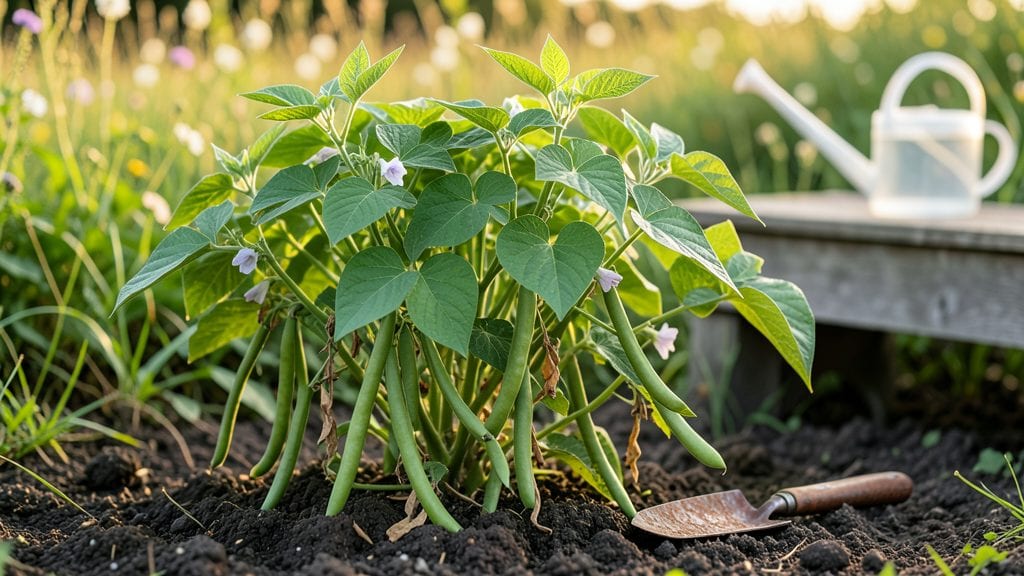
Garden beans and green beans aren't the same: garden beans include dried varieties like kidney or navy beans, while green beans are immature pods harvested young for fresh or frozen use. Both belong to the Phaseolus genus but serve different culinary roles.
This distinction comes down to harvest timing and intended use. 🌱 Garden beans are allowed to mature fully and dry on the vine, creating the familiar dried beans we use in soups or stews.
Meanwhile, green beans are picked early—when pods are tender and seeds are still soft—so they stay crisp and fresh. The confusion often stems from how grocery stores label products, but the botanical and culinary differences are clear once you know what to look for.
For example, when you see "dried beans" in a recipe, it's almost always referring to garden beans like pinto or black beans. But if a dish calls for "green beans," you'll want the fresh or frozen immature pods.
Knowing this helps you choose the right ingredient for the perfect texture—whether you're aiming for chewy dried beans or crisp, snappy green ones.
💡 In This Article
- Botanical and Culinary Differences Between Garden and Green Beans
- Growing and Harvesting Green Beans vs. Garden Beans
Botanical and culinary differences between garden and green beans
The confusion between garden beans and green beans starts with their scientific classification. Most dried beans we call "garden beans" belong to Phaseolus vulgaris, the same species that produces green beans when harvested early.
However, some dried varieties like runner beans come from Phaseolus coccineus, which produces striking red flowers and larger pods. The key difference lies in the seed development: garden beans are allowed to fully mature, while green beans are harvested before seeds harden.
When you look at the plant, green beans are picked at 4-6 inches long when pods are crisp and seeds are still soft. This early harvest preserves their tender texture and bright green color.
In contrast, garden beans stay on the vine until pods turn yellow or brown and seeds become hard and dry. This process concentrates their starch content, transforming them into the chewy, flavorful dried beans we know.
For example, a navy bean starts as a green pod but becomes a small, wrinkled seed when fully dried.
The culinary implications are significant. Green beans have a crunchy, snappy texture with a mild, slightly sweet flavor, making them perfect for salads or quick sautés. Their high water content (about 89%) means they cook in just 5-7 minutes and lose their vibrant color if overcooked.
Dried garden beans, however, require soaking (6-12 hours) and long cooking times (45-60 minutes) to soften their tough skins, developing rich, earthy flavors ideal for chili or baked beans.
Here's what most people miss: the same plant can produce both types! A Phaseolus vulgaris bush will yield green beans if harvested early, but if left to mature, those same pods become dried garden beans.
This dual capability explains why gardeners often grow "bush beans" or "pole beans"—both can be harvested at different stages. For instance, Blue Lake beans are commonly sold as green beans when fresh but can be allowed to dry for use in soups.
The color difference also provides clues. Fresh green beans maintain their bright green hue due to chlorophyll, while dried beans lose this pigment as they mature. This color shift isn't just cosmetic—it reflects the chemical changes occurring in the seeds.
The starch in green beans converts to complex carbohydrates during drying, which is why dried beans have 2-3 times more calories per ounce than their fresh counterparts. This metabolic shift is what gives dried beans their signature hearty texture and longer shelf life.
Understanding these differences helps you choose the right bean for any dish. Need a quick side? Pick green beans. Building a hearty stew? Reach for dried garden beans. The same plant family serves both purposes—it's all about timing and intention in the garden. 🌱