
Pests and Diseases
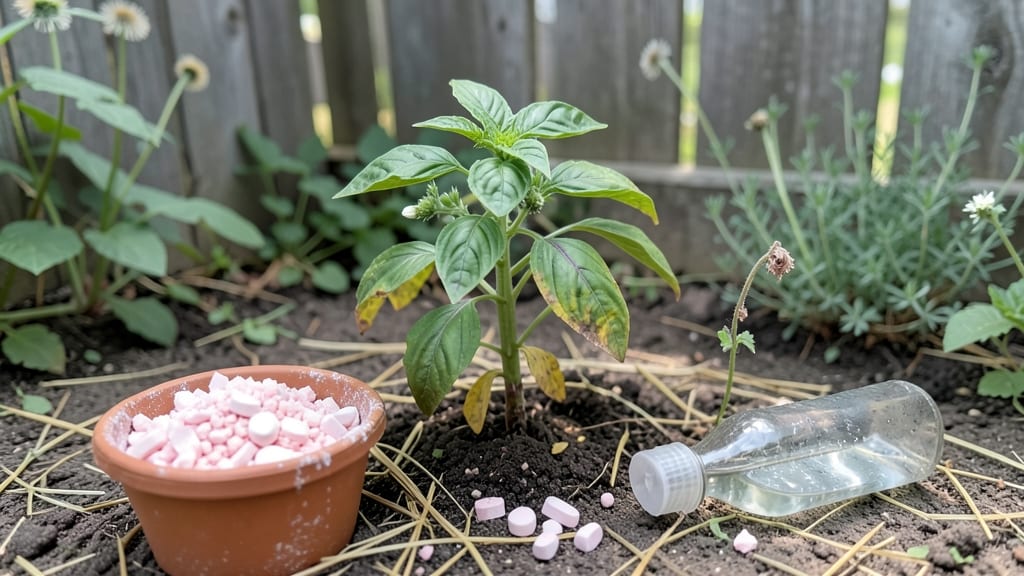
Using aspirin for garden boosts plant health by preventing fungal diseases and repelling pests when mixed into a foliar spray, thanks to its salicylic acid content that naturally activates plant defense mechanisms.
Salicylic acid—the same compound found in aspirin—mimics a plant's natural stress signals, priming it to fight off infections and deter pests. 🌱 This organic approach works especially well against powdery mildew and aphids, but it’s not a replacement for conventional fungicides in severe outbreaks.
I’ve seen gardeners mix 2 crushed aspirin tablets per quart of water for best results, applying it early in the morning to avoid leaf burn from sunlight exposure.
What makes this method stand out is its dual action: it strengthens plant immunity while also disrupting fungal spores and insect feeding patterns. Unlike harsh chemicals, aspirin sprays break down quickly and leave no residue, making them safe for vegetables and herbs you plan to eat.
Just remember to test on a small area first—some plants, like tomatoes, may react sensitively to the acidity.
💡 In This Article
- How Aspirin’s Salicylic Acid Boosts Plant Immunity
- DIY Aspirin Spray Recipes for Fungal and Pest Control
How aspirin’s salicylic acid boosts plant immunity
Here's what's actually happening when you use aspirin in your garden: the salicylic acid in aspirin acts as a natural plant hormone mimic. Plants already produce salicylic acid during stress responses, like when attacked by pathogens.
When you apply an aspirin solution, you're essentially giving plants a "heads-up" signal, triggering their systemic acquired resistance (SAR) system. This is the plant equivalent of getting a vaccine—it primes the plant's immune system to respond faster and more effectively to future threats.
The mechanism works in three key ways. First, salicylic acid activates PR (pathogenesis-related) proteins—enzymes that break down fungal cell walls and inhibit pest enzymes. Second, it stimulates the production of callose, a polysaccharide that forms physical barriers at infection sites, sealing off pathogens like a biological bandage.
Third, it disrupts fungal spore germination by altering the pH balance on leaf surfaces, creating an inhospitable environment for spores to take hold. 🔥 The concentration matters too: studies show 1-2 crushed aspirin tablets per quart of water provides optimal salicylic acid levels without causing phytotoxicity.
What's fascinating is how selective this defense mechanism is. Salicylic acid doesn't harm beneficial microbes like mycorrhizal fungi or pollinators, which rely on different biochemical pathways. It specifically targets pathogens by enhancing the plant's natural oxidative burst response—a rapid production of reactive oxygen species that kills invading microbes.
This targeted approach is why aspirin sprays work so well against powdery mildew and aphids, while leaving your garden's ecosystem intact. The key is timing: applying the spray preventatively (before symptoms appear) gives plants the best chance to build their defenses.
There's also a chemical synergy at play. When salicylic acid combines with water, it creates a slightly acidic environment that disrupts fungal cell membranes. The pH shift (typically around 5.5-6.5) inhibits the growth of many common garden pathogens while being gentle enough for most plant tissues.
This is why you'll often see better results with aspirin sprays when applied to the undersides of leaves—where many fungal spores and pests congregate. The acidity also helps break down the waxy cuticle of some insects, making them more vulnerable to natural predators.
One common misconception is that aspirin sprays work like antibiotics, killing pathogens directly. In reality, they're more like immune boosters. The plant does most of the heavy lifting—salicylic acid just helps it recognize and respond to threats faster.
This is why you'll see the best results when using aspirin sprays as part of an integrated pest management approach, combined with proper spacing, watering practices, and beneficial insect introductions.
The science shows that plants treated with salicylic acid can reduce disease incidence by up to 50% in some cases, while also improving overall plant vigor.
For those curious about the sensory experience, you'll notice a subtle change in treated plants. Leaves often develop a slightly thicker texture and a more vibrant green color as the plant ramps up its defensive mechanisms.
The aroma may also become more pronounced—some gardeners report a faint medicinal scent, which is actually the plant's volatile organic compounds being released as part of its defense response.
This is nature's way of signaling distress, but in this case, it's working in your favor to keep your garden healthy. 🌿