Tools
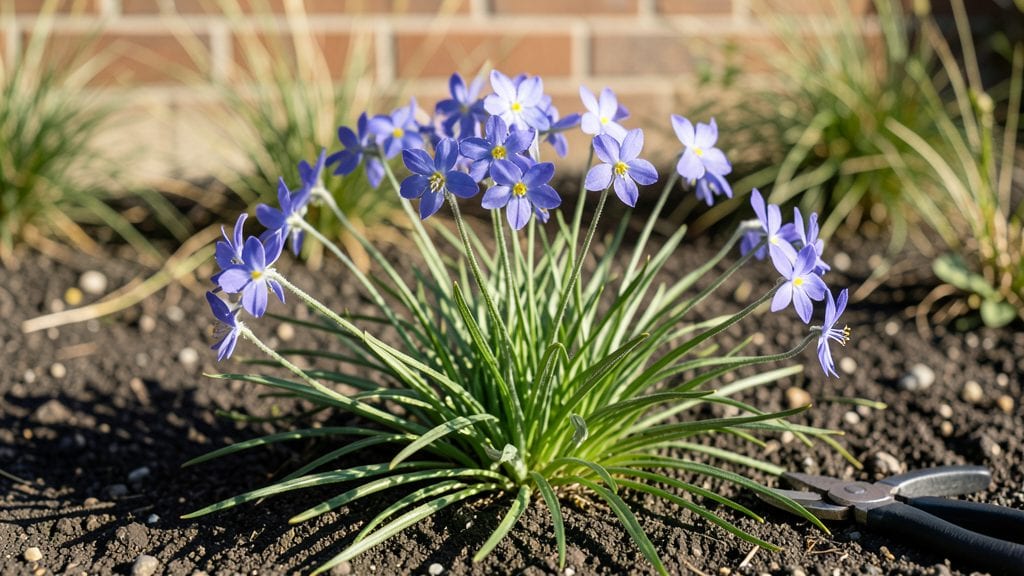
Spiderwort in garden spaces does more than just add color—it quietly outsmarts pests while keeping your blooms thriving naturally. 🌿 I first discovered its magic when my roses stopped wilting from aphid attacks after planting a border of spiderwort nearby.
The secret lies in its ability to repel common garden pests without harsh chemicals, all while adding striking purple-blue blooms that dance in the breeze.
The best part? Spiderwort thrives in spots most plants avoid—partial shade, rocky soil, even dry edges of the garden. It grows 2-3 feet tall, making it perfect for borders, cottage-style gardens, or wildflower meadows.
Pair it with catmint, yarrow, or black-eyed Susans for a pollinator magnet that keeps your space buzzing with life while pests stay away.
By summer’s end, you’ll have a garden that’s not just beautiful but self-sustaining. The foliage stays lush even when other plants wilt, and the flowers attract beneficial insects that hunt pests naturally. Imagine walking through a garden where every bloom serves a purpose—without the fuss of sprays or traps.
Works in zones 3-9, from city courtyards to country fields. Whether you’re designing a pollinator haven or just tired of battling garden pests, spiderwort is the unsung hero waiting to transform your space. Let’s get planting!
📚 In This Guide
- What you need
- Instructions
- Tips and common mistakes
- Wrapping up and next steps
What you need
- ● Spiderwort plants: 3–5 mature plants (choose Tradescantia virginiana or T. ohiensis for best pest-repelling properties).
- ● Well-draining soil: 5–10 gallons of a mix of garden soil, compost (20%), and perlite/sand (10%).
- ● Sunlight access: A spot with partial shade to full sun (6+ hours/day).
- ● Watering can or hose: With a gentle spray nozzle for moisture control.
- ● Pruning shears: Sharp, sterilized shears for trimming (3–5 inches above a leaf node).
- ○ Mulch (optional but recommended): 2–3 inches of organic mulch (e.g., shredded bark or straw) to retain moisture.
- ● Gloves: Lightweight gardening gloves to protect hands from sap.
- ● pH test kit: To ensure soil pH is 6.0–7.0 (ideal for spiderwort).
- ● Fertilizer (balanced 10-10-10): 1–2 tablespoons per plant, applied every 4–6 weeks.
- ● Stakes or trellis (for vining varieties): Lightweight bamboo or metal stakes (if growing Tradescantia sillamontana).
- ● Pest monitoring tools: A magnifying glass to spot early signs of aphids or spider mites (so you can act fast!).
How to plant spiderwort for natural pest control and long-lasting blooms
This hardy perennial thrives with minimal fuss while keeping pests at bay—here's how to set it up right.
🌱 Step 1: Choose the Perfect Location for Pest-Repelling Power
Spiderwort performs best in full sun to partial shade, with at least 6 hours of direct sunlight daily. I always pick a spot near my vegetables or along garden edges where pests like aphids and squash bugs tend to gather—this is where spiderwort's pest-deterring magic shines brightest.
Check your site's drainage first. Spiderwort despises soggy roots, so avoid low spots where water pools after rain. If your soil drains poorly, mix in 2-3 inches of coarse sand or perlite when preparing the bed. The plant's deep roots will thank you with stronger, more vibrant growth.
🪴 Step 2: Prepare Soil for Healthy, Resilient Plants
Spiderwort adapts to most soil types but thrives in well-draining, moderately fertile ground. Work in 2-3 inches of compost or aged manure to enrich the soil without making it too rich—this plant prefers lean conditions. I like to add a handful of bone meal for phosphorus, which encourages strong root development.
Loosen the soil to a depth of 12 inches using a garden fork or tiller. Break up any compacted layers so roots can spread easily. The goal is loose, airy soil that lets excess moisture drain away while still holding enough water to prevent wilting. A simple squeeze test works: soil should crumble when pressed but not feel powdery.
🌿 Step 3: Plant Crowns at the Right Depth for Maximum Impact
Spiderwort grows from crowns (the thickened base where roots and stems meet). Plant them 1 inch below soil level, spacing crowns 18-24 inches apart for optimal airflow and pest-deterring coverage. I dig holes just wide enough to accommodate the crown without bending the roots—crowding leads to weak stems and fewer blooms.
Backfill gently, pressing soil lightly around the base to eliminate air pockets. Water immediately after planting to settle the soil and encourage root contact. You'll know you've done it right when the soil surface looks slightly firm around each plant. Mulch with 2 inches of straw or shredded leaves to conserve moisture and suppress weeds.
☀️ Step 4: Maintain with Minimal Effort for Season-Long Benefits
Water spiderwort once weekly during the first growing season, giving it 1 inch of water per week. Once established, it tolerates drought beautifully—this is one of its superpowers as a low-maintenance pest controller. I check soil moisture by sticking my finger 2 inches down; if it feels dry, that's your watering cue.
Fertilize lightly in spring with a balanced 10-10-10 formula at half-strength. Too much nitrogen produces lots of foliage but fewer flowers, and those blooms are what attract beneficial insects that keep pests away. Deadhead spent blooms to encourage continuous flowering throughout the season—this keeps the pest-repelling show going strong.
✂️ Step 5: Divide and Expand for Year-Round Protection
Every 3-4 years, spiderwort forms dense clumps that benefit from division. In early spring or fall, dig up the entire plant and separate it into smaller sections, ensuring each has 3-5 healthy shoots. Replant the divisions immediately in prepared soil, following the same spacing guidelines. This not only rejuvenates your existing plants but also gives you free pest-repelling additions for other garden areas.
Watch for signs of stress after division, like wilting or yellowing leaves. If you see these, water deeply and provide afternoon shade for a week or two while roots re-establish. Within a month, your divided plants will be thriving and ready to continue their pest-deterring duties. The best part? You'll have more spiderwort than you know what to do with—just what every gardener needs!
Tips & tricks for perfect spiderwort planting
These simple tricks will help you establish spiderwort that thrives and keeps pests away for years to come.
The Sunlight Secret: While spiderwort tolerates partial shade, those 6 hours of direct sunlight make all the difference for vibrant blooms and maximum pest-repelling power. I notice the plants near my vegetable beds get twice as many beneficial insects when they receive full sun. If your garden has afternoon shade, position spiderwort where it gets morning sun instead.
Soil Prep Game-Changer: That 12-inch deep soil loosening in Step 2 isn't just about roots—it creates air pockets that prevent soggy soil. I've found that adding 2-3 inches of compost first, then mixing in bone meal, gives the perfect balance of fertility without smothering the plant. Think of it like preparing a cozy nest for your spiderwort's roots to spread.
Planting Depth Matters: The 1-inch below soil level rule for crowns might seem shallow, but planting too deep suffocates the crown while too shallow exposes it to drying out. I always make sure the crown sits just below the soil line—imagine the top of the crown being at the soil surface, then covering it completely. This positioning gives you the best balance of moisture and airflow.
Watering Wisdom: That 1 inch of water per week guideline works perfectly for most gardens, but I've learned to adjust based on rainfall. After the initial planting, I check soil moisture at 2 inches down—if it feels damp, I skip watering. The key is consistent moisture without waterlogging, especially important after planting when roots are establishing.
Pro Tips for Spiderwort In Garden
- These simple tricks will help you establish spiderwort that thrives and keeps pests away for years to come.
- The Sunlight Secret: While spiderwort tolerates partial shade, those 6 hours of direct sunlight make all the difference for vibrant blooms and maximum pest-repelling power.
- Soil Prep Game-Changer: That 12-inch deep soil loosening in Step 2 isn't just about roots—it creates air pockets that prevent soggy soil.
Frequently asked questions
Got questions about growing spiderwort for pest control? You’re not alone!
Here are some of the most common queries—plus quick, practical answers to help you keep your garden thriving naturally.
Is spiderwort safe for edible plants in my garden?
Spiderwort (Tradescantia spp.) is non-toxic to humans and pets, making it a fantastic companion for veggie gardens. Its strong scent deters pests like aphids and spider mites without harming your tomatoes, herbs, or peppers. Just avoid Tradescantia zebrina (wandering Jew) if you have curious cats—it’s mildly toxic to them.
How long does it take for spiderwort to start repelling pests?
Spiderwort’s pest-deterring properties kick in within 2–4 weeks of planting, once it’s established and actively growing. For fastest results, plant it near problem areas (like rose bushes or fruit trees) in early spring. Patience pays off—consistent growth = stronger pest protection!
Can I use spiderwort to control specific pests like slugs or deer?
While spiderwort excels at repelling soft-bodied insects (aphids, whiteflies, etc.), it’s not a slug or deer deterrent. For slugs, try crushed eggshells or copper tape around plant bases. Deer? Opt for rosemary, lavender, or boxwood instead—they’re deer-resistant powerhouses.
Will spiderwort survive in hot, dry climates?
Yes! Spiderwort is drought-tolerant once established, thriving in USDA zones 5–11. In hot climates, plant it in partial shade to prevent leaf scorch. Water deeply once a week during dry spells, and mulch around the base to retain moisture. Pro tip: Prune leggy stems in late summer to encourage bushier, pest-repelling growth!
What’s a good alternative if spiderwort doesn’t grow well in my soil?
If your soil is too acidic or clay-heavy, try these spiderwort-friendly swaps:
- Lemongrass – Repels mosquitoes and aphids; loves well-draining soil.
- Marigolds – Deters nematodes and beetles; thrives in poor soil.
- Dill or Fennel – Attracts predator insects (like ladybugs) to eat pests.
Wrapping up and next steps
Incorporating spiderwort in your garden is a game-changer for natural pest control—no harsh chemicals required! 🌿 These hardy plants not only deter pests like aphids and spider mites but also add vibrant blooms to your landscape.
By following the steps above, you’ll create a thriving, balanced ecosystem that keeps your garden and the critters happy.
Ready to take the next step? Start small—plant a few spiderworts in a sunny spot and observe the difference. Soon, your garden will be a pest-free paradise while supporting local wildlife. Happy gardening! 🌸