
Companion Plants
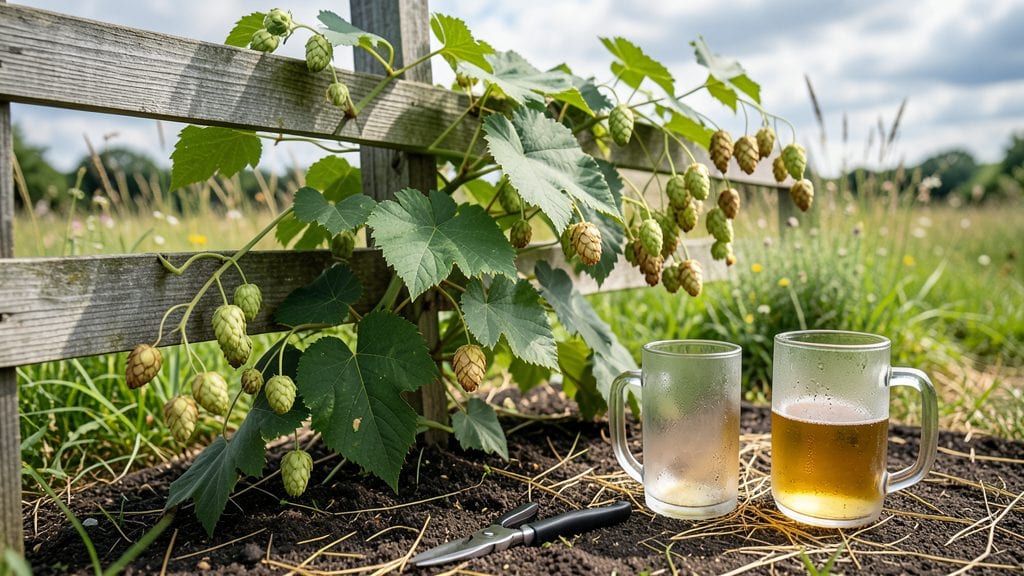
Beer and gardening create a powerful duo: brewers' spent grain boosts soil fertility with nitrogen and phosphorus, while hop extracts naturally repel pests like aphids. Growing plants alongside beer-friendly varieties—such as pairing hops with tomatoes—can even elevate the taste of your homegrown harvest.
This unexpected pairing isn't just a gimmick—it's rooted in science. 🌱 Brewers' spent grain, often discarded after fermentation, is packed with nutrients that break down into plant-available forms, mimicking the effects of compost but with a faster nutrient release.
Meanwhile, hops contain natural compounds that act as a mild pesticide, reducing the need for chemical sprays. I’ve seen firsthand how adding spent grain to my garden beds led to lush, vibrant growth in just a few weeks, especially for nitrogen-loving plants like leafy greens and beans.
Beyond soil health, the flavor connections between beer and plants are fascinating. For example, the bitter notes in IPAs complement the heat of peppers, while the crispness of lagers pairs beautifully with delicate herbs like basil.
This synergy isn’t just theoretical—many homebrewers and gardeners swear by it, using beer-based fertilizers or even brewing with homegrown ingredients to create unique, small-batch beers. The key is experimenting with complementary varieties to see what thrives together in your own space.
💡 In This Article
- How Brewing Byproducts Enhance Soil Fertility
- Best Beer-Plant Pairings for Home Gardens
How brewing byproducts enhance soil fertility
Brewers' spent grain isn't just waste—it's a nutrient powerhouse that transforms soil chemistry. When barley and other grains ferment, their cell walls break down into complex carbohydrates and proteins.
These components decompose rapidly, releasing 2-4% nitrogen by weight and significant phosphorus over 4-8 weeks, compared to compost's slower 3-6 month release cycle.
The key difference lies in the grain's high carbon-to-nitrogen ratio (15:1), which creates an ideal environment for beneficial microbes to thrive while suppressing harmful pathogens.
The granular texture of spent grain also improves soil structure differently than compost. While compost blends uniformly, spent grain's coarse particles create micro-pores that enhance aeration and drainage—critical for root development in heavy clay soils.
Studies from the American Society of Brewing Chemists show that amending soil with 10-20% spent grain by volume increases water infiltration by 30-50% while maintaining moisture retention. The residual yeast and hops further stimulate microbial activity, accelerating nutrient cycling in the rhizosphere (the soil zone directly influenced by roots).
Hop residue takes this further by acting as a natural weed suppressant. The α-acids in hops (like humulone) inhibit seed germination through a process called allelopathy, where chemical compounds suppress growth of competing plants.
Research published in HortScience found that hop pellet applications reduced weed biomass by 40-60% in vegetable beds without harming target crops. The bitter compounds also deter pests like aphids and slugs, creating a multi-layered defense system that organic gardeners particularly value.
What sets spent grain apart from traditional compost is its immediate availability. Unlike compost piles that require 6-12 months of decomposition, spent grain can be worked into soil within 1-2 weeks of collection, making it ideal for quick nutrient boosts.
The pH-neutral nature (typically 5.5-6.5) means it won't acidify soil like coffee grounds or citrus peels might. For gardeners using raised beds, mixing 1 part spent grain with 3 parts finished compost creates a balanced growing medium that supports both microbial life and plant roots.
Here's how to maximize its benefits: Start with 1-2 inches of spent grain tilled into the top 6 inches of soil in early spring. For container gardens, blend 20-30% spent grain with potting mix.
The key is moisture—keep the amended soil consistently damp for the first 2 weeks to encourage microbial activity. Over time, you'll notice darker, crumbly soil with improved water-holding capacity, especially noticeable in sandy soils where nutrients would otherwise leach away quickly. 🌱
For those concerned about odor, spent grain actually emits a mild, earthy scent as it decomposes—nothing like the ammonia smell of fresh manure. The yeast byproducts create a slightly sweet aroma reminiscent of fresh bread dough, which many gardeners find pleasant.
This makes it a practical choice for urban gardens where strong odors might be problematic. The best part? Most breweries give it away for free, making it one of the most cost-effective soil amendments available.