Propagation
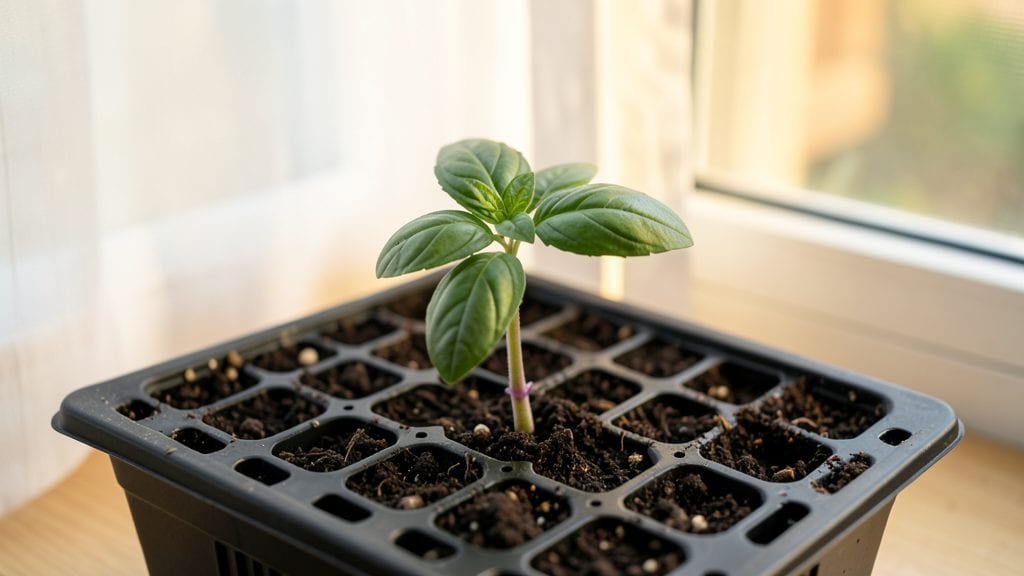
Starting an herb garden from seeds means fresh basil and parsley in just 10-14 days—no waiting months for transplants. I’ve grown herbs from seed every year, and the trick is choosing fast-germinating varieties like basil, cilantro, and dill that sprout reliably even for beginners.
The payoff? Snipping herbs straight from your windowsill or balcony within weeks, not months.
You’ll need a sunny spot, seed-starting mix, and small pots or a seed tray—nothing fancy. Basil and parsley love warmth, while cilantro thrives in cooler temps, so match your herbs to your climate.
Keep the soil damp (not soggy) and place trays under grow lights or in a south-facing window. Most herbs hate soggy roots, so drainage is your secret weapon.
By week three, you’ll see tiny green leaves popping up, and with proper care, you’ll harvest enough for cooking in just 4-6 weeks. The best part? These herbs keep producing all season long, so you’ll never buy wilted store-bought bundles again. Let’s get those seeds sprouting!
Works for apartments, kitchens, or sunny porches—no yard required. Once you master this, you’ll expand to slower herbs like rosemary and thyme. Ready to grow your own?
📚 In This Guide
- What you need
- Instructions
- Tips and common mistakes
- Wrapping up and next steps
What you need
- ● Seeds: Fast-germinating herb varieties (e.g., basil, cilantro, dill, parsley, chives, or mint). Aim for 2-3 seeds per cell in seed trays or 1-2 seeds per small pot.
- ● Seed Starting Trays or Pots: Biodegradable peat pots, cell trays (72+ cells), or small nursery pots (3-4" diameter). 6-12 units depending on herb quantity.
- ● High-Quality Seed Starting Mix: Lightweight, sterile potting mix with perlite or vermiculite. 1 bag (1-2 cubic feet) for trays or small bags (1 quart) for individual pots.
- ● Grow Lights or Sunny Windowsill: A LED grow light (12-16 hrs/day) or a south-facing window with 6+ hours of sunlight.
- ● Spray Bottle: For gentle watering (16 oz with a fine mist nozzle).
- ● Plant Labels: Wooden or plastic labels + a marker to track varieties.
- ● Heating Mat: Germination mat (70-75°F) to speed up sprouting for slower herbs like parsley.
- ● Humidity Dome: Clear plastic lid or DIY dome (plastic wrap) to retain moisture.
- ● Fertilizer: Water-soluble, balanced fertilizer (5-5-5 or 10-10-10) for transplanting.
- ● Garden Gloves & Kneeling Pad: For comfort during planting.
- ● Transplant Containers: Larger pots (6-12" diameter) or garden beds for mature herbs.
Step-by-Step instructions for growing an herb garden from seeds
Here's how to jumpstart your herb garden with the quickest-growing varieties for fast, flavorful harvests.
Select Fast-Germinating Seeds and Prepare Containers
Start with herbs known for quick germination like basil, cilantro, and dill—these typically sprout within 5-7 days when conditions are right. Choose containers with drainage holes at least 6 inches deep to prevent root rot. I like using 4-inch pots for individual plants since they give roots room to establish without overcrowding.
Fill each container with 2-3 inches of seed-starting mix, leaving about 1 inch of space at the top. Press the mix down gently to remove air pockets, but don’t compact it too tightly. This ensures water and roots can move through the soil easily. Moisten the mix with a spray bottle until it feels like a damp sponge—just enough to keep it consistently moist without being soggy.
Plant Seeds at the Right Depth and Keep Them Warm
Sow seeds twice as deep as their diameter—most herb seeds are tiny, so a light sprinkle of 1/8-inch is perfect. For example, basil seeds should barely be covered, while dill seeds can go slightly deeper. I use a toothpick to make small holes in the soil and place 2-3 seeds per pot to ensure at least one germinates successfully.
After planting, cover the pots with a clear plastic dome or wrap them in plastic wrap to trap warmth and moisture. Place them in a warm spot, ideally between 70-75°F, like on top of a refrigerator or near a sunny window. Check daily for condensation—if the soil feels dry, mist it lightly. Seeds need consistent moisture to germinate, but overwatering can wash them away or cause rot.
Provide Bright Light and Prevent Leggy Growth
Once seeds sprout—usually within 5-7 days—remove the plastic cover immediately to prevent fungal growth. Move the pots to a south-facing window or under grow lights to ensure they get 12-14 hours of light daily. Without enough light, seedlings stretch toward the sun, becoming weak and leggy, which stunts their growth.
If you notice seedlings leaning or growing tall and thin, they need more light. Adjust the grow lights to 2-3 inches above the plants and keep them on a timer for consistent exposure. Strong seedlings will have short, sturdy stems and dark green leaves. Water from the bottom by placing pots in a tray of water for 10-15 minutes to encourage deep root growth.
Thin Seedlings and Encourage Bushy Growth
When seedlings develop 2-3 sets of true leaves (not just the initial seed leaves), thin them to the strongest plant per pot. Use small scissors to snip the weaker seedlings at the base—this reduces shock better than pulling. Keep the remaining plant well-spaced to avoid competition for nutrients.
Pinch back the tips of basil and dill plants when they reach 3-4 inches tall to encourage bushier growth. This simple step prevents them from becoming tall and spindly. Fertilize lightly with a balanced liquid fertilizer (like 10-10-10) every 2-3 weeks once the plants are established. Over-fertilizing can lead to salty soil, so always dilute to half-strength.
Harvest Regularly for Continuous Growth
Start harvesting leaves when plants are 4-6 inches tall, but never take more than one-third of the plant at a time. For basil, pinch off the top sets of leaves to encourage new growth. Cilantro and dill can be harvested by cutting stems just above a set of leaves—this prompts the plant to branch out and produce more foliage.
Harvest in the morning after the dew has dried but before the heat of the day sets in. This ensures the leaves are at their freshest and most flavorful. With proper care, your fast-growing herbs will provide continuous harvests for months, making this method well worth the effort.
Tips & tricks for perfect fast-germinating herb gardens
Here's what I've learned from growing herbs from seed that'll help you skip the common pitfalls and get those first fresh leaves in record time.
Seed Selection Matters: When choosing your fast-germinating seeds, look for varieties labeled "quick sprouting" or "fast maturing." I've found that organic seeds often have better germination rates because they're not treated with chemical coatings that can slow things down. For the best results, stick with basil, cilantro, and dill as recommended—they're proven performers that sprout within those critical 5-7 days when conditions are right.
Warmth is Non-Negotiable: That 70-75°F temperature range in Step 2 is crucial for fast germination. If your home runs cooler, consider using a seedling heat mat under your pots—it can cut germination time by nearly half. I've also had success placing pots on top of my refrigerator, which naturally stays warm. Just be careful not to let the soil dry out while you're waiting for those first sprouts to appear.
Light Timing Trick: The 12-14 hours of light in Step 3 doesn't need to be all at once. If you're using natural light, you can supplement with a simple LED desk lamp for a few hours in the evening. For grow lights, I've found that setting them on a timer is the easiest way to guarantee consistent light exposure without having to remember to turn them on and off daily. This consistency is what prevents those leggy seedlings that grow toward any available light source.
Harvesting Hack: When you're ready to harvest those 4-6 inch plants, use clean, sharp scissors instead of pulling leaves by hand. This prevents damage to the plant and makes future harvests easier. I like to harvest basil by cutting just above a leaf pair—this encourages the plant to branch out and produce more leaves. For cilantro and dill, I cut stems at a 45-degree angle just above a set of leaves to promote bushier growth and prevent disease from settling at the cut point.
Pro Tips for Herb Garden From Seeds
- Here's what I've learned from growing herbs from seed that'll help you skip the common pitfalls and get those first fresh leaves in record time.
- Seed Selection Matters: When choosing your fast-germinating seeds, look for varieties labeled "quick sprouting" or "fast maturing."
- Warmth is Non-Negotiable: That 70-75°F temperature range in Step 2 is crucial for fast germination.
Frequently asked questions
Got questions about growing your own herb garden from seeds? You’re not alone—many beginners (and even seasoned gardeners!) have the same concerns. Below, we’ve rounded up the most common queries to help you get started with confidence.
Which herbs are the easiest to grow from seeds for beginners?
Start with fast-germinating, low-maintenance herbs like basil, cilantro, and dill. These sprout within 5–10 days and thrive in containers, making them perfect for first-timers. Avoid slower starters like rosemary or thyme—these are better grown from cuttings.
How long does it take for herb seeds to germinate?
Germination time varies by herb, but most fast-germinating varieties (like basil or parsley) sprout in 5–14 days with consistent moisture and warmth. Check seed packets for specifics—some (like chives) may take 2–3 weeks. Pro tip: Use a heat mat to speed up germination!
Do herb seeds need light to germinate, or should I keep them in the dark?
Most herb seeds do not need light to germinate—keep them in a dark, warm spot (like a seed tray under a towel) until sprouts appear. Once they’ve broken through the soil (about ½ inch tall), move them to a sunny windowsill or grow light. Exception: Large seeds (like dill) may benefit from light.
Why aren’t my herb seeds sprouting? Troubleshooting tips.
If your seeds aren’t germinating, check these common issues:
- Too dry or cold: Keep soil consistently moist (not soggy) and maintain temps between 65–75°F.
- Old seeds: Many herbs lose viability after 1–2 years—test a few seeds first.
- Poor soil contact: Press seeds lightly into soil (don’t bury deep—most need ¼-inch coverage max).
- Light-sensitive seeds: Some (like parsley) need light to sprout—don’t cover them.
Still stuck? Try scarifying (nick the seed coat) or soaking overnight for stubborn varieties.
Can I grow herbs from seeds indoors year-round?
Herbs like basil, mint, and chives thrive indoors with 6+ hours of sunlight daily (or a grow light). Use well-draining pots (like fabric grow bags) and fertilize lightly every 4–6 weeks. Just watch for pests—indoor gardens can attract spider mites or fungus gnats.
Wrapping up and next steps
Starting an herb garden from seeds is a rewarding journey that brings fresh flavors and aromas straight to your kitchen—and you’ve got all the tools to succeed! 🌱 From fast-growing varieties like basil, cilantro, and dill to expert tips on soil, light, and care, you’re now ready to cultivate a thriving garden year-round.
The key? Patience, consistency, and a little green thumb love.
Ready to take the next step? Plant your first seeds today! Grab those packets, prep your containers, and watch your garden grow. Need a refresher? Revisit our FAQs or explore slow-germinating herbs for even more options. Happy gardening—your future meals (and sniffles of joy) are waiting! 🌿✨