Companion Plants
My first garden plants were so easy, even my black thumb couldn’t kill them. 🌱 These beginner garden plants prove that growing doesn’t require a green thumb—just sunlight, water, and a little patience.
I started with a few herbs and veggies that forgave my mistakes, and now I’ve got a list of 10 foolproof picks that’ll do the same for you.
You’ll want leafy greens like lettuce (thrives in partial shade, water when soil feels dry) and bush beans (sun-loving and fast-growing, ready to pick in 6 weeks). Herbs like basil and mint are nearly indestructible—they’ll grow in pots or garden beds, needing just 1-2 inches of water per week.
Succulents like sedum or hens-and-chicks need almost no care, surviving on bright light and occasional watering.
By mid-summer, you’ll be harvesting crisp lettuce, sweet peas, and fragrant herbs—all with minimal effort. The secret? Choosing plants that bounce back from neglect and reward you with fast results. Even if you forget to water once, these plants will still deliver. Let’s get you growing with confidence!
No fancy tools or expensive soil required—just a small patch of ground, a few seeds, and a watering can. I’ll walk you through exactly what to plant, how to space them, and what to do when things go wrong (spoiler: it’s rare with these picks).
Ready to turn dirt into dinner?
📚 In This Guide
- What you need
- Instructions
- Tips and common mistakes
- Wrapping up and next steps
What you need
- ● Seeds or seedlings: Choose 3–5 easy-to-grow plants (e.g., tomatoes, lettuce, basil, marigolds, or sunflowers). Start with 5–10 seeds per plant for better success.
- ● Containers or garden beds: For containers: 5–10-gallon pots (1–2 per plant) with drainage holes.
- ● For in-ground: A 6"–12" deep plot with loose, well-draining soil.
- ● Potting soil: 1–2 bags of high-quality, organic garden soil (or a mix of topsoil and compost).
- ● Watering can or hose: With a gentle spray nozzle for seedlings.
- ● Fertilizer: A balanced, slow-release granular fertilizer (e.g., 10-10-10) or organic options like compost or worm castings.
- ● Gloves and knee pads: To protect your hands and knees while planting.
- ● Hand trowel: For digging small holes (6–12" deep).
- ● Pruners: Small, sharp pair for trimming or harvesting.
- ● Mulch: Straw or shredded leaves to retain moisture and suppress weeds.
- ● Plant markers: Sticks or labels to track what you’ve planted.
- ● Sunlight meter or app: To check light conditions (e.g., 6+ hours of sun/day for most veggies).
Step-by-Step guide to selecting and planting beginner garden plants
Here’s how to choose and establish the easiest, most rewarding plants for first-time gardeners.
🌱 Step 1: Choose the Right Plants for Your Conditions
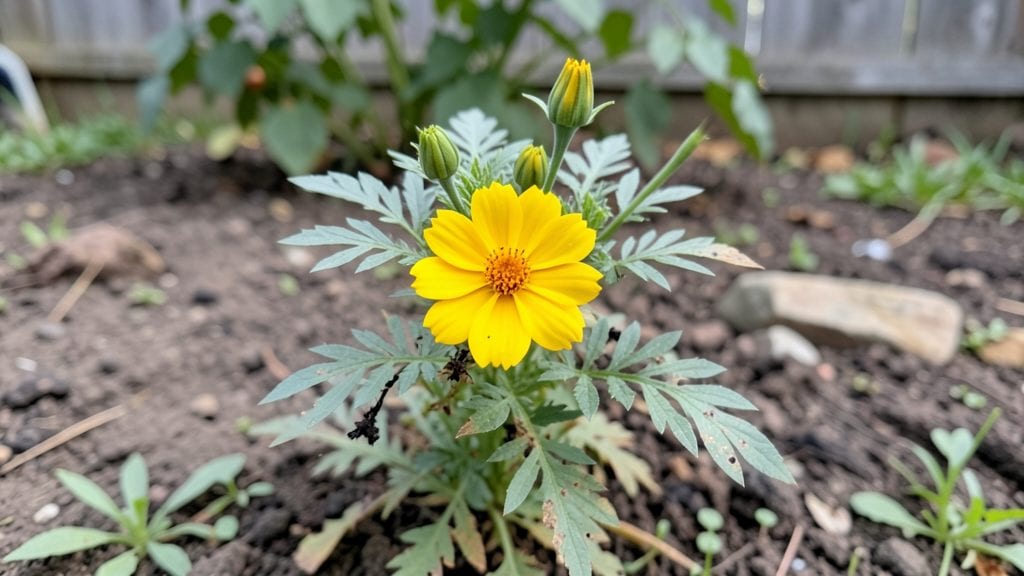
Start with four foolproof varieties: bush beans (fast-growing and forgiving), lettuce (cool-season and cut-and-come-again), marigolds (disease-resistant and pest-repelling), and zucchini (prolific and productive). These thrive in a range of climates and soil types, making them ideal for beginners.
Check your last frost date—most of these plants prefer warm soil (60°F+) but can handle light frosts. Lettuce is the exception; it grows best in 50-65°F and bolts (goes to seed) in hot weather. Plant marigolds first—they deter pests and improve soil health.
🪴 Step 2: Prepare the Soil and Planting Space
Clear the area of weeds and loosen the soil to a depth of 6-8 inches with a garden fork or tiller. Amend with 2-3 inches of compost (if available) to improve drainage and fertility. Avoid heavy clay or sandy soil—these require extra organic matter to retain moisture and nutrients.
For containers, use 5-gallon pots for zucchini and 1-gallon pots for lettuce and marigolds. Ensure pots have drainage holes to prevent root rot. Space plants as follows: 18 inches apart for zucchini, 6 inches apart for lettuce, and 12 inches apart for marigolds. This gives roots room to establish without crowding.
☀️ Step 3: Plant and Water for Strong Starts
Dig holes twice as wide as the root ball and place each plant at the same depth it was growing in its container. Gently firm the soil around the base to eliminate air pockets, then water deeply until the soil is moist 2 inches below the surface. This encourages roots to grow downward instead of sitting at the surface.
Mulch with 2-3 inches of straw or shredded leaves to retain moisture and suppress weeds. Keep the mulch 2 inches away from plant stems to prevent rot. Water every other day for the first week, then taper to once a week once plants are established—adjust based on rainfall.
🌿 Step 4: Monitor and Maintain for Continuous Growth
Watch for pests like aphids on lettuce or squash bugs on zucchini—marigolds will deter many of them, but check leaves weekly. Remove any yellowing leaves immediately to prevent disease spread. Fertilize every 4-6 weeks with a balanced 10-10-10 fertilizer (follow package rates).
Harvest lettuce outer leaves as needed to encourage regrowth. Pick zucchini when they’re 6-8 inches long—larger fruits drain energy from the plant. Marigolds can stay in the ground all season; they self-seed and return yearly in many climates. Rotate crops next year to prevent soil depletion.
Tips & tricks for perfect beginner garden planting
These simple strategies will help you avoid common pitfalls and maximize your first gardening success.
Soil Temperature Matters: The 60°F+ soil temperature requirement for most plants is non-negotiable for strong root development. Use a soil thermometer to check—especially in spring or fall. For lettuce, which prefers 50-65°F, plant in cooler weather or provide afternoon shade during hot spells. I've seen lettuce bolt prematurely when soil temps creep above 70°F, so timing is everything.
Planting Depth Technique: When placing your plants in Step 3, use the "root ball rule"—dig holes twice as wide but only as deep as the container's root ball. Press soil firmly around the base to eliminate air pockets, then water deeply. This creates direct root-to-soil contact, which is critical for establishing plants quickly. I learned this the hard way after watching seedlings struggle to stabilize in loose soil.
Mulching Strategy: The 2-3 inches of mulch serves three purposes: moisture retention, weed suppression, and temperature regulation. Keep it 2 inches away from stems to prevent rot—this is often where beginners make mistakes. For containers, use a lighter mulch like straw rather than heavy bark, which can compact and reduce drainage.
Harvesting Timing: For zucchini, harvest when they're 6-8 inches long—this prevents the plant from diverting energy to larger fruits. I've seen zucchini grow to football size when neglected, which actually reduces future production. For lettuce, always harvest outer leaves first, leaving the inner leaves to regrow. This cut-and-come-again method can give you harvests for weeks.
Pro Tips for Beginner Garden Plants
- These simple strategies will help you avoid common pitfalls and maximize your first gardening success.
- Soil Temperature Matters: The 60°F+ soil temperature requirement for most plants is non-negotiable for strong root development.
- Planting Depth Technique: When placing your plants in Step 3, use the "root ball rule"—dig holes twice as wide but only as deep as the container's root ball.
Frequently asked questions
Got questions about starting your beginner garden? You’re not alone! Here are some of the most common queries—plus straightforward answers to help you grow with confidence.
What are the easiest plants for a first-time gardener?
Stick with hardy, fast-growing plants like lettuce, radishes, marigolds, or green beans. These thrive in most climates, forgive beginner mistakes, and reward you quickly. Sunflowers and basil are also great for instant gratification!
How long does it take to see results with beginner plants?
Most leafy greens (like spinach or kale) sprout in 2–3 weeks, while radishes pop up in 3–4 weeks. Flowers like zinnia bloom in 6–8 weeks. Patience pays off—track progress with a simple garden journal!
Can I grow these plants in partial shade?
Partial shade (4–6 hours of sunlight)
works for lettuce, Swiss chard, and herbs like parsley or cilantro. For full sun (6+ hours), opt for tomatoes, peppers, or marigolds. Test your spot with a sunlight tracker for 24 hours first!
What do I do if pests attack my beginner plants?
Start with prevention: Neem oil (for aphids), row covers (for cabbage worms), or handpicking (like slugs). Companion plants help too—marigolds deter nematodes, and basil keeps flies away from tomatoes.
Are there affordable starter plants for beginners?
Yes! Skip expensive nursery starts—try seed packets ($1–$3) or seedling swaps (check local gardening groups). Dollar stores often sell small pots of herbs or flowers. Repurpose containers (yogurt cups, egg cartons) to cut costs too!
Wrapping up and next steps
Starting your first garden doesn’t have to be intimidating—with the right beginner garden plants, you’ll be well on your way to a thriving, low-maintenance space! 🌱 From resilient herbs like basil to cheerful flowers such as marigolds, these picks are designed to reward patience with beauty, flavor, and confidence.
Remember, every expert gardener began exactly where you are now.
Ready to take the next step? Start small—pick one or two plants from this list, gather your supplies, and dive in! Soon, you’ll be swapping "I killed that plant" for "Look what I grew!" 🌿✨