How To
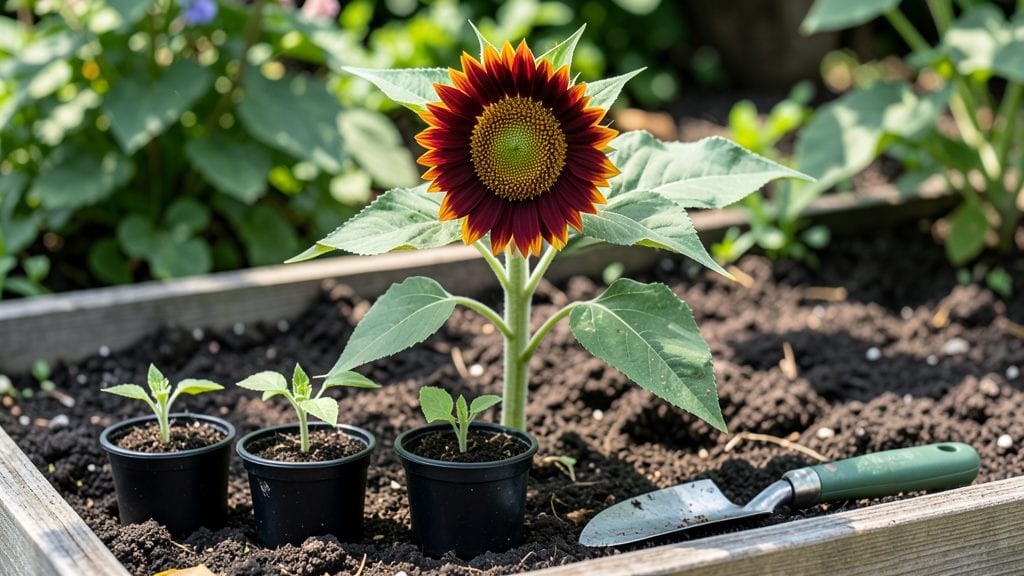
Children’s garden projects spark creativity and learning while teaching sustainability through hands-on activities using recycled materials like plastic bottles, egg cartons, and cardboard.
These projects turn everyday trash into gardening gold, helping kids grasp real-world science like plant growth and ecosystems. 🌱 For example, a plastic bottle terrarium lets them observe condensation cycles firsthand, while egg carton seed starters teach decomposition as the material breaks down.
The tactile experience of shaping soil and planting seeds builds fine motor skills while reinforcing patience—critical lessons wrapped in fun. Plus, the cost savings make it accessible for any family, proving that sustainability starts with small, creative steps.
What’s especially rewarding is how these activities adapt to different ages. Toddlers can decorate pots with stickers or paint, while older kids might measure soil ratios or track plant growth in journals.
The hands-on nature makes abstract concepts—like photosynthesis or nutrient cycles—suddenly tangible. And because the materials are free or low-cost, parents can experiment without stressing over budgets.
💡 In This Article
- How Recycled Materials Boost Kids’ Gardening Skills
- Step-by-Step DIY Projects for Budget-Friendly Kids’ Gardens
How recycled materials boost kids’ gardening skills
Upcycling household waste into gardening tools transforms mundane objects into learning aids that engage multiple senses. For instance, a plastic milk jug can become a self-watering planter when cut and fitted with a wick, teaching kids about capillary action—the same process that moves water through plant stems.
The rough texture of crushed egg cartons in soil mix lets them feel decomposition firsthand as the cardboard breaks down over weeks, mirroring natural nutrient recycling in forests. 🌱
These hands-on projects introduce core biology concepts through tactile experiments. A seed bomb made from clay, soil, and wildflower seeds demonstrates germination in action—kids press the balls into soil and watch roots emerge within 7-14 days, visualizing how seeds spread in nature.
Meanwhile, a soda bottle terrarium creates a mini ecosystem where condensation forms on glass walls, showing the water cycle in a 2-3 inch space. The contrast between the sealed bottle's humidity and outdoor air conditions becomes a living science lesson.
Sensory exploration plays a crucial role in retention. The crisp sound of crushing cardboard tubes for seed starters or the cool, smooth surface of a clean yogurt cup used as a planter pot engages auditory and tactile learning.
When kids mix recycled materials like coffee grounds (acidic) with compost (neutral), they experience pH effects firsthand—observing how some plants thrive in "used" soil while others wilt, reinforcing chemistry basics without textbooks. 💫
Beyond science, these projects build resourcefulness by repurposing items most families discard daily. A toilet paper roll becomes a seedling protector when wrapped around fragile stems, while a muffin tin organizes seedlings by type, teaching classification.
The process of transforming "trash" into tools also develops problem-solving skills—kids learn to adapt materials when a project doesn't work perfectly, mirroring real-world engineering challenges. This adaptability extends to gardening itself, where failed experiments (like overwatered herbs) become opportunities to adjust techniques.
What most parents don't realize is how these activities subtly prepare kids for STEM fields. Measuring 2-inch soil depths for root growth or calculating how many egg carton cells fit in a tray introduces basic math in a concrete way.
The patience required to wait for sprouts (often 5-10 days for fast growers) teaches delayed gratification, while tracking plant heights with a ruler builds graphing skills. These "soft" skills—observation, experimentation, and persistence—are just as valuable as academic knowledge. 🔥
Consider the long-term impact: children who grow herbs in tin cans or vegetables in shoe boxes are more likely to develop lifelong gardening habits. They'll remember the science behind photosynthesis because they saw it in their bottle greenhouse, not from a textbook.
The recycled materials make these lessons feel personal and immediate, proving that sustainability isn't just an abstract concept—it's a hands-on skill that starts with a single repurposed container. The real magic happens when kids realize they've created something useful from something others would throw away. ✨