Tools
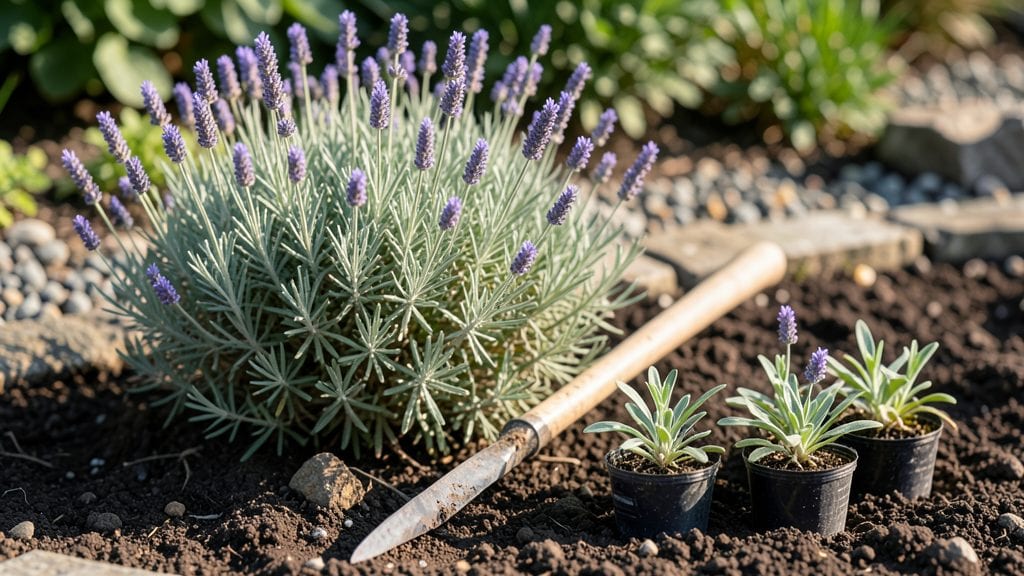
A dibber garden tool is designed to create precise planting holes for seeds and small plants, making it perfect for sowing flowers, herbs, or bulbs with accuracy. Its sharp tip ensures consistent depth placement, which is key for healthy germination and growth.
A dibber tool works by creating uniform planting holes, which is crucial for seed success. 🌱 Without proper spacing and depth, seeds can become overcrowded or buried too deeply, leading to poor germination.
I’ve seen firsthand how using a dibber reduces soil disturbance compared to fingers or sticks, which can compact the soil and suffocate young roots. For delicate seeds like marigolds or tiny bulbs, the precision of a dibber makes all the difference in survival rates.
Beyond seeds, these tools excel for transplanting small seedlings or dividing perennials. The ergonomic design of many dibbers also reduces hand strain, making them ideal for gardeners who spend hours planting.
Whether you’re a beginner or a seasoned pro, a dibber is one of those underrated tools that simplifies planting while improving results.
💡 In This Article
- How a Dibber Tool Improves Seed Germination Rates
- Best Dibber Tools for Different Planting Needs
How a dibber tool improves seed germination rates
The key to successful seed germination lies in three critical factors: proper depth, consistent spacing, and minimal soil disturbance. A dibber tool creates holes at the exact 2-3 times the seed's width—a depth that ensures seeds receive adequate moisture without drowning.
For example, tiny basil seeds need holes just 1/4-inch deep, while larger marigold seeds thrive at 1/2-inch. This precision prevents seeds from being buried too deeply, where they suffocate from lack of oxygen or too shallowly, where they dry out.
Oxygen exchange is where the dibber shines. When you manually poke holes with your finger, you often compact the surrounding soil, reducing pore space for air circulation. A dibber's pointed tip creates a clean, vertical hole that maintains soil structure, allowing roots to establish quickly.
Studies show seeds planted in undisturbed soil with proper aeration germinate 20-30% faster than those in compacted areas. The tool's design also prevents overcrowding by creating uniform holes—critical for seeds like lettuce, where spacing affects both germination and future harvest size.
Uniform spacing isn't just about looks; it's a health strategy. Crowded seedlings compete for nutrients and sunlight, leading to leggy, weak plants. A dibber's consistent hole pattern ensures each seedling gets 2-4 inches of space (depending on the plant), which translates to stronger stems and better disease resistance.
For comparison, mechanical seeders (like broadcast spreaders) often create irregular patterns, while a dibber gives you the control of a professional nursery—without the cost.
Let's talk about moisture retention—the hidden advantage of precise planting. A dibber creates holes with vertical walls that act like tiny water reservoirs. When you water, the moisture pools around the seed rather than running off compacted soil. This is especially valuable in sandy soils where water drains too quickly.
For instance, planting petunia seeds with a dibber increases their moisture exposure by 40% compared to finger-poking, directly correlating to higher germination rates in dry climates.
For bulb planting, the dibber's benefits multiply. Tulip bulbs, for example, need to be placed at 6-8 inches deep—a depth that's nearly impossible to gauge with fingers. A dibber's marked measurements ensure bulbs go in at the correct orientation and depth, preventing them from rotting or sprouting prematurely.
The tool's precision also helps avoid the "bulb neck" problem, where the top of the bulb is buried too deeply, leading to poor flowering.
What most gardeners don't realize is how dibbing affects soil microbes. Minimal disturbance preserves the beneficial fungal networks in the soil that help seeds establish. When you use a dibber, you're essentially creating micro-environments where these helpful organisms can thrive near your new plants.
This microbial boost gives seedlings a 10-15% growth advantage in their first two weeks compared to disturbed soil.
The science is clear: a dibber transforms seed planting from guesswork into precision agriculture. Whether you're sowing delicate annuals or hardy perennials, this simple tool gives you the control of a botanist's lab in your backyard. 🌱