
Tools
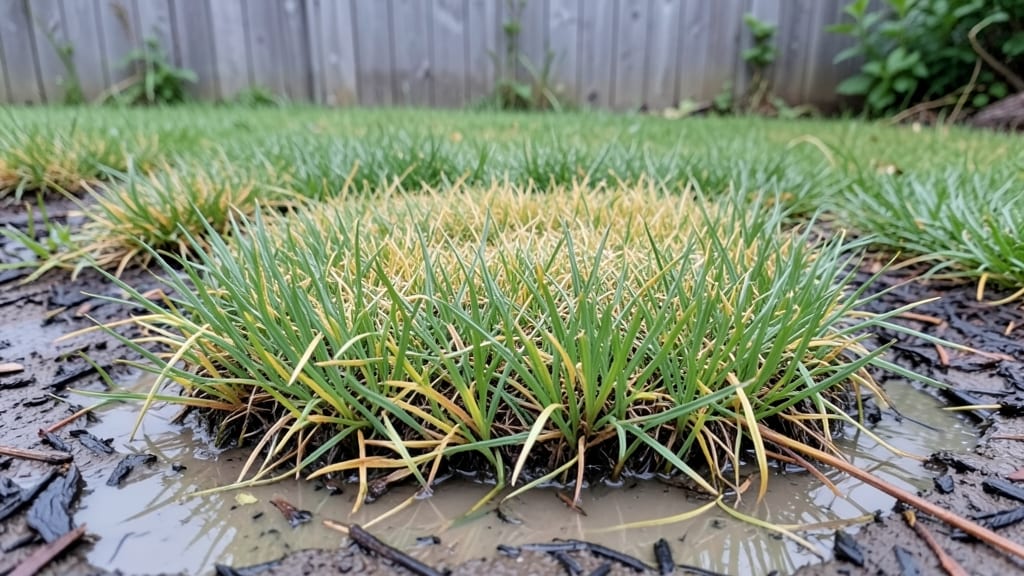
Flooding in garden after heavy rain doesn’t just ruin your shoes—it strangles roots, leaches nutrients, and can turn your toughest perennials into casualties. ✨ I’ve seen firsthand how standing water transforms a thriving garden into a muddy mess, but the right drainage fixes can turn things around in just a few weeks.
The culprits are usually poor soil structure or no place for water to go, but solutions like French drains, swales, or even raised beds can redirect water before it causes harm. My own soggy corner now drains within hours, saving my tomatoes and peppers from drowning.
The key is matching the fix to your yard’s specific issues—whether it’s compacted clay or a low spot that collects runoff.
You’ll end up with soil that stays loose and breathable, plants that thrive instead of wilt, and a garden that handles rain like a pro. Flood-tolerant varieties like switchgrass, cattails, or watercress can even turn waterlogged spots into productive areas.
Let’s get your garden back in balance—before next downpour.
Works for any yard, from small urban plots to large rural gardens. The right approach depends on your space and budget, but every fix starts with understanding where the water goes wrong. Here’s how to diagnose and solve it for good.
Root Causes of Garden Flooding
Standing water in your garden isn’t just an annoyance—it’s often a sign that something deeper is amiss. Whether you’re dealing with soggy patches after a rainstorm or persistent puddles that refuse to drain, understanding the why behind the problem is the first step to fixing it.
Let’s break down the most common culprits, backed by science and practical insights.
Your garden’s soil acts like a sponge, absorbing and releasing water. But if it’s too clay-heavy or compacted, water has nowhere to go—leading to pooling. Clay soils, for example, have tiny particles that pack tightly together, reducing porosity and trapping moisture.
Even organic-rich soils can become waterlogged if they lack the right balance of sand, silt, and air pockets.
Actionable fix: Conduct a simple jar test to analyze your soil’s texture. Fill a jar with soil, water, and shake—observe how layers settle. If clay dominates, amend with compost, sand, or perlite to improve drainage. Pro tip: Avoid tilling clay soil when wet, as it worsens compaction. 💡
Water always follows gravity, and if your garden sits in a low-lying area or lacks a gentle slope, rainwater has no incentive to flow away.
Even a slight grade (as little as 1 inch per 10 feet) can make a huge difference in directing water toward drains or natural runoff paths. Flat or depressed areas act like bowls, collecting and holding water.
Actionable fix:
- Use a level tool to check your yard’s slope. If it’s flat, consider regrading with soil or landscape fabric to create a slight incline away from your home or garden beds.
- Install swales (shallow, curved ditches) to slow and redirect water naturally. These mimic nature’s way of absorbing and filtering runoff. 🌊
Even the best-laid drainage plans fail if gutters, French drains, or downspouts are blocked, misaligned, or nonexistent. Gutters that overflow dump water directly onto flower beds or patios, while buried drains can become clogged with sediment, roots, or debris over time.
Without proper outlets, water has no escape route and pools in the most convenient (and problematic) spots.
Actionable fix:
- Inspect gutters and downspouts for debris. Clean them annually and ensure downspouts extend at least 5 feet away from your foundation.
- Check for French drain functionality. If water still pools, the drain may need jetting (high-pressure cleaning) or extending further. 🔧
- Consider adding dry wells or permeable pavers to redirect excess water underground.
While heavy rain is the obvious culprit, overzealous watering or malfunctioning irrigation systems can also saturate soil beyond its capacity. Drip irrigation left running too long, broken sprinkler heads, or automatic timers set for the wrong duration can turn your garden into a swamp.
Even well-draining soil can’t handle a constant influx of water.
Actionable fix:
- Audit your irrigation system. Use a rain gauge to measure how much water your system delivers per hour—soil should never feel soggy within 2 hours of watering.
- Adjust timers based on season and rainfall. A good rule of thumb: 1 inch of water per week (including rain) is plenty for most gardens.
- Upgrade to smart controllers that adjust watering based on soil moisture sensors. ✨
Stormwater drains (like street gutters or catch basins) are designed to handle large volumes of water, but they often fail when clogged with leaves, trash, or sediment. If your garden is near a drain that’s not functioning, water will back up and spread across your yard.
Additionally, drains placed too close to garden beds can overflow directly into your plants.
Actionable fix:
- Contact your local municipality to report clogged storm drains—they’re responsible for maintenance.
- If drains are too close to your property, install a bio-retention area (a planted depression) to absorb and filter overflow before it reaches your garden.
- Use grates or filters on downspouts to prevent debris from entering drains. 🌿
Most garden flooding stems from a mix of these factors, but identifying the primary cause puts you ahead of the game. Once you pinpoint the issue, the right solutions—whether it’s amending soil, adjusting slopes, or upgrading drainage—can transform your waterlogged nightmare into a thriving, well-drained oasis. 🌟
Fixing Waterlogged Garden Ground
Flooding in your garden isn’t just an annoyance—it can drown plant roots, erode soil, and even damage hardscapes. The good news? Most waterlogged areas can be fixed with the right approach. Below are practical solutions tailored to the most common causes of garden flooding, from quick fixes to long-term prevention.
If your garden sits on clay or tightly packed dirt, water pools instead of draining. Here’s how to break it up:
- 🍳 Loosen the Soil Use a garden fork or tiller to aerate the top 12–18 inches of soil. This creates channels for water to escape. For stubborn clay, mix in organic matter like compost or well-rotted manure to improve structure over time.
- 👨🍳 Add Sand or Gravel (Strategically!) Avoid dumping sand directly into clay—it can create a "concrete" effect. Instead, dig trenches (12–18 inches deep) filled with coarse sand or gravel, then cover with topsoil. This funnels water away from roots.
- ⏰ Plant Deep-Rooted Drainage Plants Trees like willows, oaks, or even fruit trees help break up compacted soil with their roots. Pair them with shallow-rooted perennials to balance drainage and aesthetics.
✨ Pro Tip: Test your soil’s drainage by digging a 12-inch hole, filling it with water, and timing how long it takes to drain. If it’s slower than 4 hours, your soil needs help!
Flat or sloped gardens funnel rainwater toward low spots. Fix this with these landscape tweaks:
- 🔪 Create a French Drain Dig a trench (18–24 inches deep) along the perimeter of your garden, line it with landscape fabric, then fill with gravel. Top with soil and plants to disguise it. This passively diverts water underground.
- 🥘 Build a Berm or Raised Bed For persistent low spots, mound soil (or use raised beds) to elevate plantings. Add permeable fill (like coconut coir or decomposed granite) to prevent future pooling.
- 🎯 Install a Dry Swale A shallow, curved ditch planted with deep-rooted grasses (like switchgrass) slows water flow, letting it soak into the ground naturally. Perfect for large, flat areas.
💡 Quick Fix: Rake leaves and debris off hard surfaces (patios, driveways) to prevent water from pooling at garden edges.
For severe or chronic flooding, underground systems offer the most reliable fixes:
- 🔧 Install a Drainage Pipe Bury perforated drainage pipe (surrounding it with gravel) at the lowest point of your garden. Connect it to a dry well (a large underground tank filled with gravel) or city storm drain (check local codes first).
- 🌡️ Use a Sump Pump (For Basement-Adjacent Gardens) If your garden floods from groundwater seepage, a waterproof sump pump in a nearby low spot can automatically redirect excess water to a drain or downspout.
- 🏡 Check Your Home’s Grading Ensure your yard slopes away from your house (at least 6 inches over 10 feet). If not, regrade the soil gently with a shovel or rented sod cutter.
⚠️ Warning: Never connect garden runoff directly to sewer lines—this can violate local laws and damage municipal systems.
Once you’ve fixed the problem, keep it from returning with these low-maintenance strategies:
- 🌿 Choose Drought-Tolerant Plants Swap water-loving plants for natives or varieties like lavender, sedum, or ornamental grasses that thrive in well-drained soil.
- 🛠️ Install a Rain Garden A shallow depression planted with moisture-loving perennials (like asters or rushes) absorbs excess rainwater before it pools elsewhere.
- 🔄 Mulch Heavily A 4-inch layer of mulch (wood chips, straw, or pine needles) reduces evaporation and helps water penetrate the soil slowly.
🎯 Long-Term Hack: Group plants with similar water needs together. This way, you can tailor irrigation (or lack thereof) to each zone.
With the right mix of soil amendments, water redirection, and plant choices, your garden can go from soggy swamp to a thriving, dry-weather-friendly space. Start with the quickest fixes, then layer in prevention for lasting results!
Frequently asked questions
Why does my garden flood after just a little rain?
Clay-heavy soil or compacted ground prevents water from draining properly. A simple test: Dig a 12-inch hole, fill it with water, and time how long it takes to drain. If it takes longer than 4 hours, your soil needs amendments like compost or sand to improve drainage.
Can I fix flooding with just plants?
Yes! Deep-rooted plants like willows, switchgrass, or cattails help break up compacted soil and absorb excess water. For quick results, pair them with a French drain or raised beds to redirect water away from plant roots.
How do I know if my garden needs a French drain?
If water pools in the same spots after every rain, a French drain is likely the solution. Look for low-lying areas where water collects—dig a trench (18–24 inches deep), line it with fabric, and fill it with gravel to redirect water underground.
Will raised beds solve flooding for good?
Raised beds help by elevating plants above waterlogged soil, but they won’t fix underlying drainage issues. For long-term results, combine them with soil amendments (like perlite) and a slight slope to encourage water runoff.
What’s the cheapest way to prevent future flooding?
Mulch heavily (4-inch layer) and plant drought-tolerant natives like lavender or sedum. These reduce evaporation and improve soil structure over time—no major tools or materials required!