Tools
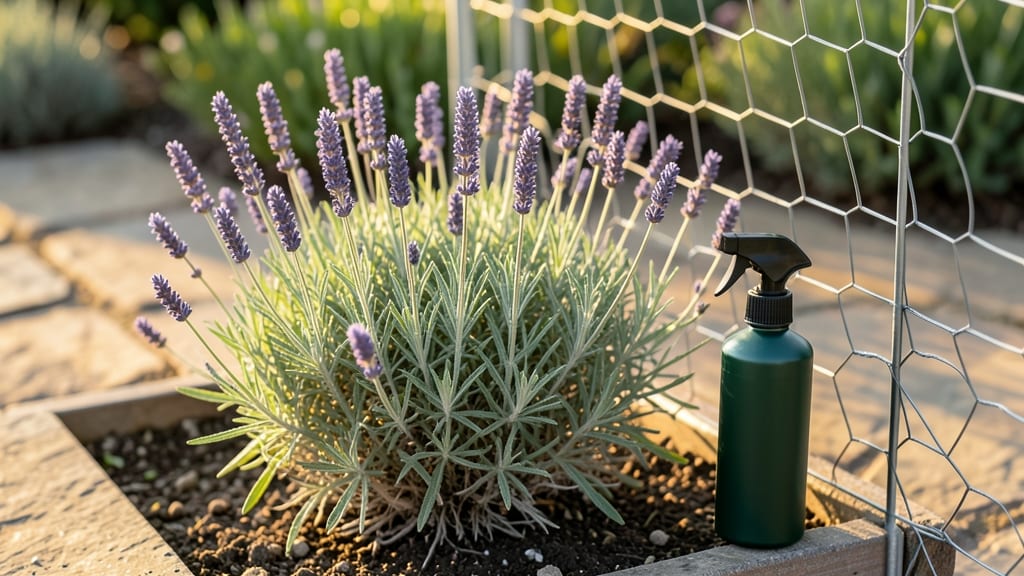
Controlling garden animals effectively combines physical barriers, plant-based deterrents, and habitat tweaks to shield your plants without harming wildlife. Begin with fencing or mesh covers, then apply natural sprays or sound-based tools for stubborn critters like rabbits or deer.
Animals target gardens for food, shelter, or nesting—rabbits go for tender shoots, deer browse young plants, and squirrels bury seeds. Understanding these patterns helps you choose the right deterrents. For example, rabbits avoid strong scents like peppermint, while deer respond better to motion-activated sprinklers.
The key is layering methods: physical barriers stop access, while repellents make your garden less appealing. 🔥
Before you start, check local wildlife regulations—some areas protect certain species. I’ve found that combining a tall fence with a few ultrasonic devices works best for deer, while rabbits often back off after a few applications of cayenne pepper spray.
Always test repellents on a small area first to avoid damaging plants.
💡 In This Article
- How Animal Behavior Shapes Garden Damage
- DIY Garden Pest Deterrents Using Household Items
How animal behavior shapes garden damage
Understanding why animals target gardens starts with their natural instincts. Rabbits, for example, are crepuscular—meaning they're most active at dawn and dusk—when they feast on tender young shoots with their 28 sharp front teeth.
Their diet is 90% plant-based, and they prefer plants under 1 foot tall because they're easier to consume.
Deer, on the other hand, are browsers that use their 32-inch tongues to strip leaves and twigs from plants, often targeting gardens because they're easily accessible and lack natural predators in suburban areas.
The key to deterrence lies in exploiting their sensory preferences. Rabbits have an incredibly sensitive sense of smell—14 times stronger than humans—and they avoid strong scents like peppermint or garlic.
Deer, however, rely more on visual cues and movement; they're skittish creatures that bolt at sudden noises or flashes of light. Squirrels, meanwhile, are territorial and bury seeds up to 12 feet away from their feeding spot, which explains why they dig near garden edges.
Their memory for food locations is legendary—they can recall 3,000+ hiding spots for their winter stash.
Sound plays a surprisingly large role in animal behavior. Many repellents use ultrasonic frequencies (20-40 kHz), which are inaudible to humans but create discomfort for rodents and rabbits. Deer, however, respond better to low-frequency noises (like motion-activated sprinklers) that mimic predator movements.
The science here is fascinating: these animals associate certain sounds with danger, triggering their fight-or-flight response. For instance, a sudden 10-second burst of water can startle a deer enough to make it avoid your garden for days.
Territorial marking is another critical behavior to understand. Rabbits and deer both use scent glands to mark their territory, which explains why they often return to the same garden spots.
You can disrupt this cycle by introducing competing scents—like predator urine (coyote or fox)—which signals danger and makes them think another animal has already claimed the space. The psychological effect is powerful: animals are wired to avoid areas that smell like potential threats.
Seasonal patterns also shape garden damage. In spring, rabbits focus on new growth because it's 20-30% more nutritious than mature plants. Deer, meanwhile, target gardens in late summer when natural food sources dwindle. Understanding these cycles helps you time your deterrents effectively.
For example, applying castor oil-based repellents in early spring can create a protective barrier that lasts through the growing season, while motion-activated lights work best during nighttime browsing periods.
What most gardeners don't realize is how habitat modification can work in your favor. Creating physical barriers like 8-foot tall fences (for deer) or 2-foot tall chicken wire (for rabbits) exploits their natural wariness of enclosed spaces.
The key is making the garden feel like a high-risk area—combining visual deterrents (reflective tape), auditory deterrents (wind chimes), and olfactory deterrents (strong-smelling plants) creates a multi-sensory repulsion zone that's far more effective than any single method.